Macau was the first trip I made during my year of living in Hong Kong between July 1996 to July 1997. It is a fascinating small peninsula acting as the South Western gatekeeper to the Pearl River Delta. Hong Kong is its North Eastern gatekeeper sibling. Macau is the oldest European colony in East Asia.
Before 30 June 1997, Hong Kong was under British rule whilst Macau was under Portuguese rule. Therefore, it was an international trip and my passport would be stamped again for a new three-month tourist visa upon return to Hong Kong. Happily, this meant it would be the first of a few trips to Macau over the 12 months period as I struggled with Hong Kong’s immigration office ineffectiveness.
My first trip to Macau was over a long weekend from Friday 26 to Sunday 28 July 1996, with a group of guys – Andrew Rodham, a mate from Macquarie University in Sydney, Lachlan Campbell, Sebastian Leotta and Rob Grindley – whom I had met and been busy doing hikes, dinners and drinks, and trips including Macau and Beijing in August 1996.
As this article’s name suggests, Macau is one of the gatekeepers for the Pearl River Delta which in fact is China’s largest economic hub and the world’s largest urban area encompassing nine cities with 60 million people. It is responsible for roughly 27% of China’s total exports and has a collective GDP of USD1.7 trillion.
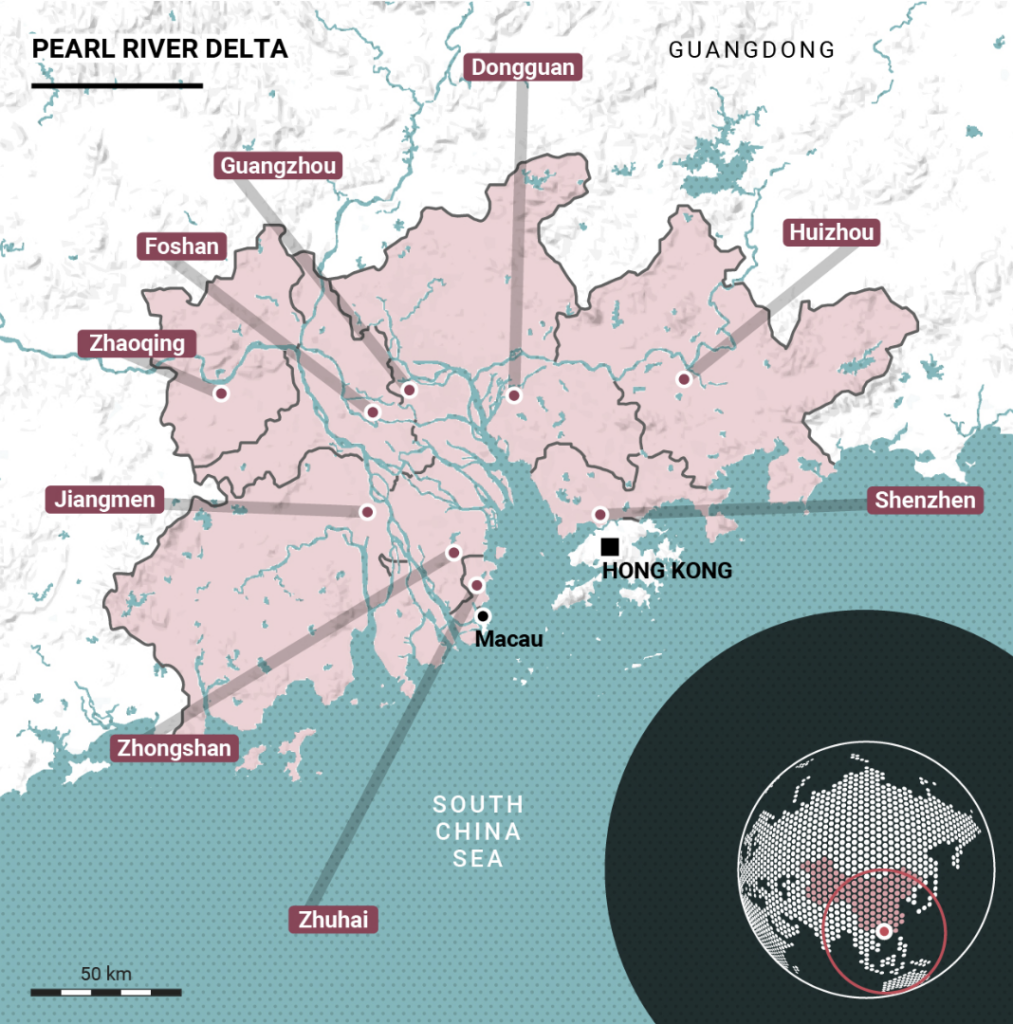
It was very easy to travel from Hong Kong to Macau, catching the hydrofoil TurboJet from the Hong Kong – Macau Ferry Terminal located in Central on Hong Kong Island. It takes roughly an hour to travel the 70kms.
Since my time in Hong Kong, China has invested significant capital in infrastructure projects to enable the growth within the Pearl River Delta. As part of that, in late 2010s, China completed the Hong Kong-Zhuhai-Macao Bridge which connects Hong Kong and Macau, including a seven kilometres section of tunnel.
Macau’s political history spans over 442 years, transforming from a Portuguese trading post in 1557 into a “territory under Portuguese administration” before its handover to China on 20 December 1999. Today, it is a Special Administrative Region (SAR) of the People’s Republic of China, operating under “one country, two systems,” maintaining high autonomy in economic and governance systems.
Macau was initially established and settled from 1557 – 1849 by the Portuguese who leased the peninsula from the Ming dynasty as a trading post. Portugal paid rent and exercised jurisdiction while Chinese sovereignty remained, though nominally.
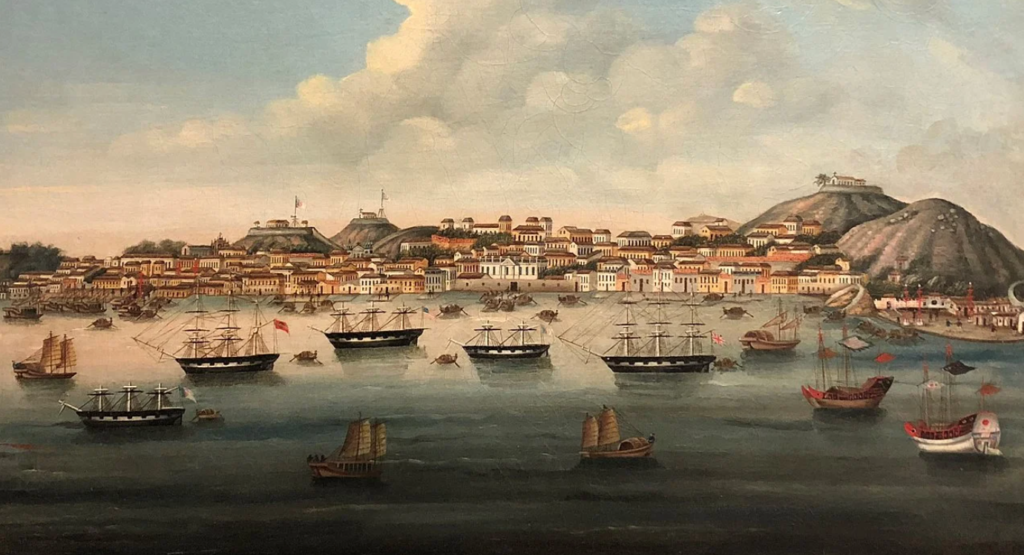
The formal Portuguese colonial period for Macau occurred between 1849 – 1974. In 1887, after the Treaty of Peking, Portugal secured perpetual colonial rights. Macau was treated as a constitutional part of Portuguese territory.
Following the 1974 Carnation Revolution in Portugal, a mostly peaceful coup resulting in new leadership, they withdrew from retaining their colonies and instead moved towards handing back Macau to China. This led to the transition of Macau to become a SAR of China in 1999. (Out of interest, it was known as the Carnation Revolution because Portuguese citizens placed red carnations into soldiers’ rifles.)
In 1996, Macau was experiencing a peak in tourism, high population mobility (i.e. a higher than normal portion of its population emigrate to live in Macau as opposed to being born in Macau), and preparing for its 1999 transition to Chinese sovereignty. In 1996, its population was ~410,000 and has since grown to over 720,000 people in 2026. This makes it one of the most densely populated areas in the world, with over 20,800 people per square kilometre crammed into only 33 square kilometres of land, with 100% of the population living in an urban environment.
The population is approximately 95% Chinese, with the remainder being Macanese (mixed Portuguese and Asian ancestry. Women outnumber men with 53% female and whilst the population is aging, with a median age of 38.4 years, it is relatively young compared to many other areas in the world. The official languages are Chinese (Cantonese) and Portuguese.
The Macanese culture is a unique blend of both the Cantonese and Portuguese influences, originating from intermarriages between Portuguese settlers and women from China, Malaysia, Japan and India. Hence, Macanese people are a distinct ethnic group, often referred to as Tóu-saāng pòuh-yàhn (“Portuguese born of the soil”). They are a people marked by a strong sense of community given the small land peninsula that is Macau, and they are relaxed and mellow day-to-day, with deep-rooted Catholic traditions blended with Chinese customs.
Macanese have a distinct Patuá language which is a Portuguese-based creole language with Cantonese, Malay, and Sinhalese influences. Today, the Patuá is considered a critically endangered language as increasingly it is practiced less and not the dominant language in schools.
Tourism, specifically gambling-related tourism, is the primary driver of Macau’s economy accounting for over 50% of its GDP and generating approximately 70–85% of government tax revenue. As the only legal gambling hub in China, gaming, along with associated hospitality, forms the core economic pillar.
In 2025, Macau received 40 million visitors, of which 70% where from China followed by Hong Kong as the next highest source of origin. The average length of stay is 1.1 days. Chinese folks love to gamble!
What led Macau to become a gambling hub you ask?? Faced with economic competition from the newly established British colony of Hong Kong, the Portuguese governor João Maria Ferreira do Amaral legalised and began taxing gambling in 1847 to fill depleted government coffers. In the late 19th century, the government introduced a licensing system for the fantan houses (Chinese gambling houses). In 1961, the government designated Macau a “permanent gaming region”. Today, Macau is not just the Las Vegas of the East, it is actually the largest gambling hub in the world! Macau’s gaming revenue far exceeds Las Vegas, often by 3x – 6x gaming revenue.
As a result, Macau offers incredibly lavish casinos and entertainment complexes across two main areas being the Cotai Strip and the Macau Peninsula. For more on the casinos in Macau today and their history read my post “Fantan in Macau and so much more“.
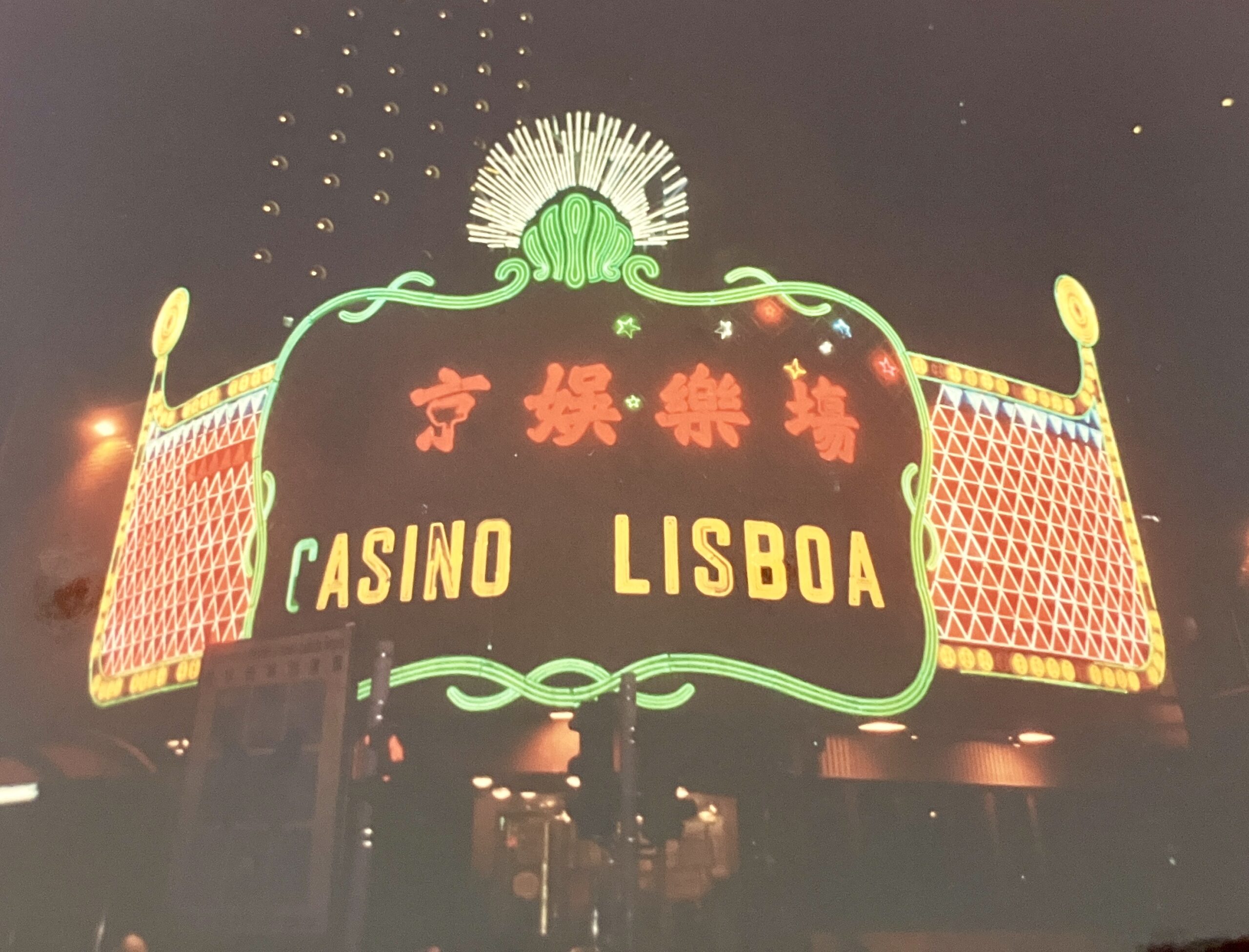
On our trip to Macau in July 1996, we stayed at the Hotel Lisboa Casino, located in the heart of the Macau Peninsula area. At the time the Hotel Lisboa Casino was a hub for 1990s nightlife in Macau, known for its iconic 1970s architecture with its dark, atmospheric casino being a central point of interest. Where else could we have stayed?!?!?
The original casino and the 12-storey round hotel tower were built in 1970 by Stanley Ho, the godfather of the modern day Macau casino precinct. A 270-room extension was added in 1991 for a total of 927 rooms. In 2006, another extension, the Grand Lisboa, was built next to the current complex bringing the total size to 2,362 rooms.
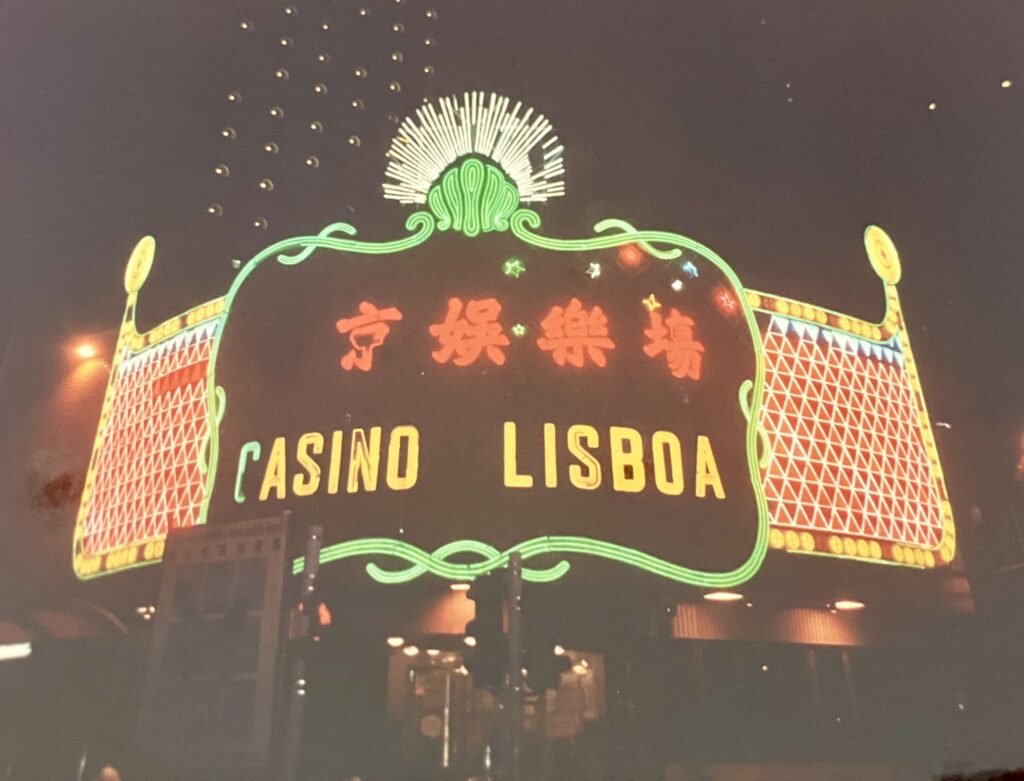
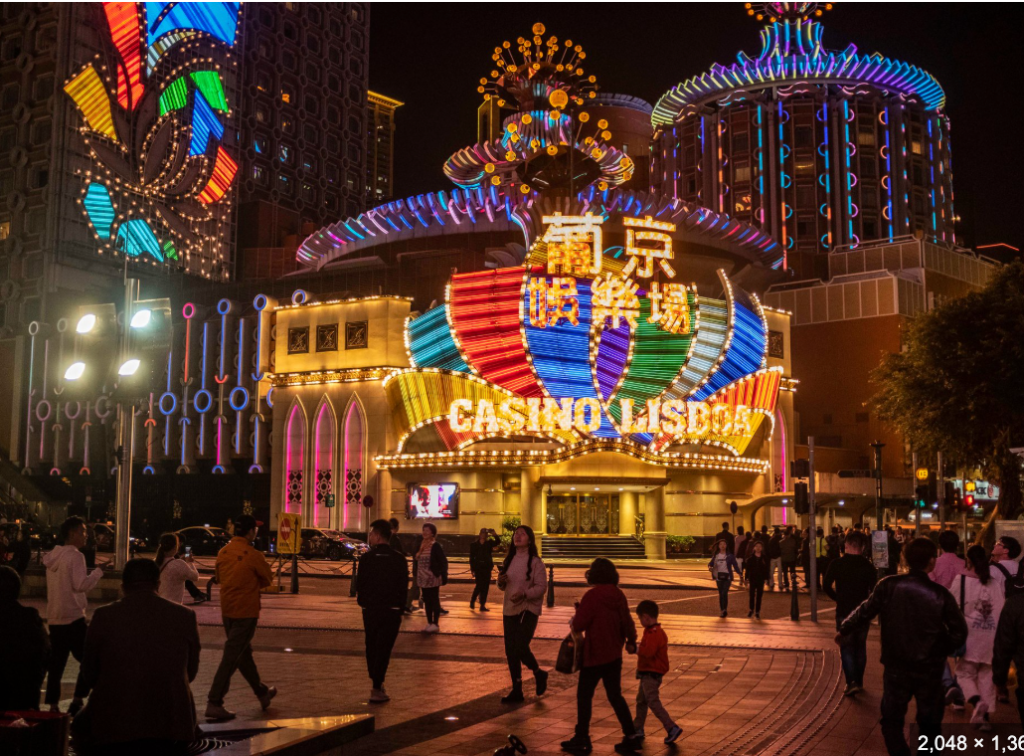
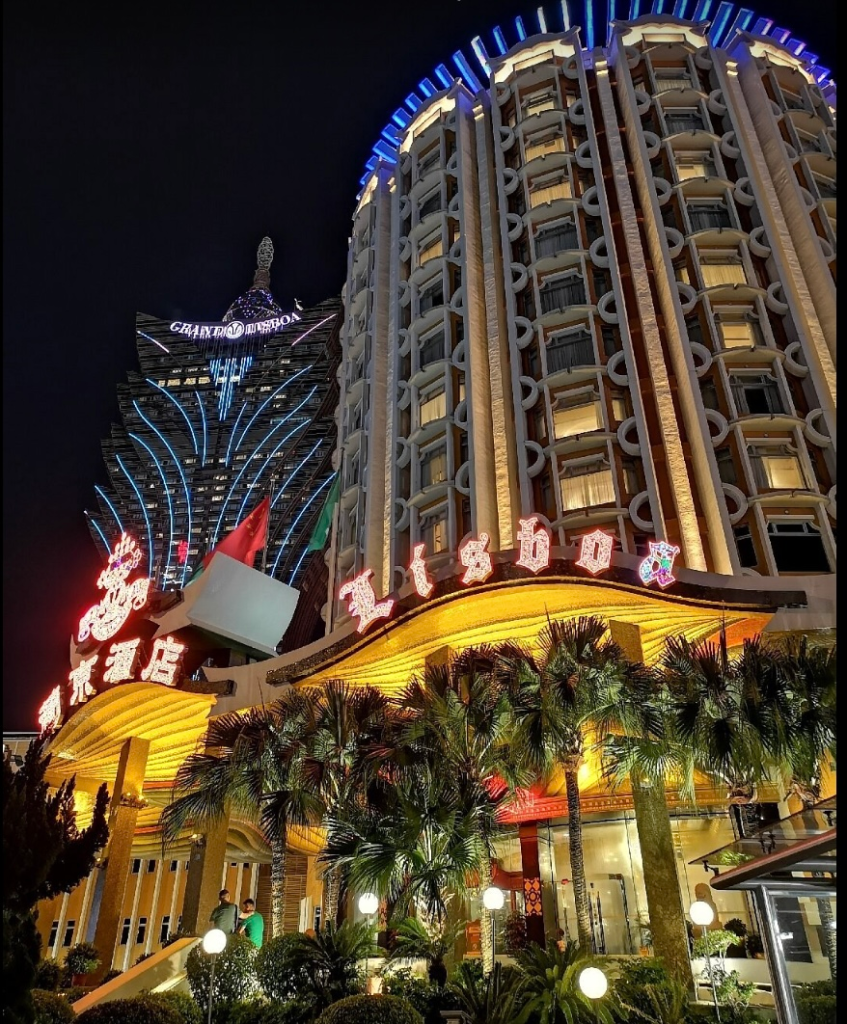
For our first night in Macau, we had dinner and returned to the Casino Lisboa where the atmosphere was pumping. Most of us weren’t big gamblers so other than a little time on the gaming floor we spent the majority of the time in the bar and club areas. As the night wore on, one of the guys struck up a conversation with a couple of girls and and left us to hang out with them. We were all having a ball and chatting with many others in the bar. Soon after midnight, our friend with the girls announced he was off to bed and gleefully told us he was heading up with one of the girls so we should give him a few hours before we head up. Success on the first night!
To our surprise, he returned to us at the bar about 15 minutes. Mortified, he told us that after getting up to the room and stripping down naked he realised that his companion was a ladyboy!!! This entertained us with endless jokes for the rest of the trip. We kicked on until dawn before calling it quits. Such a memorable initiation to Macau.
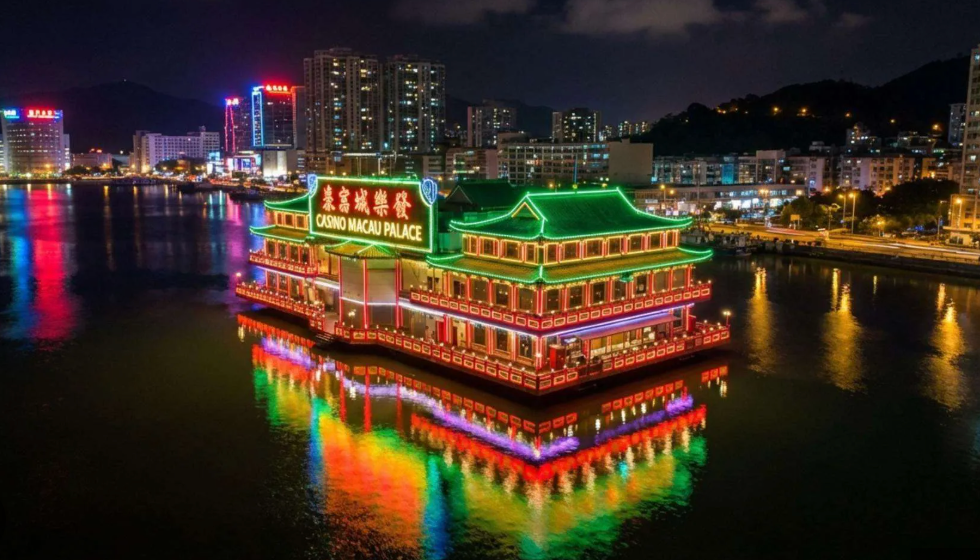
The Macau Palace, Macau’s floating casino in the Inner Harbour, was opened in 1962, and was a thriving hot spot from that point including through the 1990s. We spent our second night at the Macau Palace for another fun filled night – great to have been able to have the experience!
The Macau Palace featured in the classic James Bond film “The Man With the Golden Gun” (1974) with Roger Moore as James Bond in the recognisable scenes. It was also the inspiration in James Bond film “Skyfall” (2012) where Daniel Craig as James Bond visits a stylized version of Macau arriving by boat through a lantern-lit water-way to the “Floating Dragon Casino”. Skyfall was actually filmed in Pinewood Studio near London. As more lavish casinos were built through the 2000s it found it was unable to compete with the clusters of casinos and entertainment on Macau Peninsula and Cotai Strip. It was closed in 2007 and taken away to be demolished.
With the distinct creole culture, Macau is well known for its fusion cuisine (often called the world’s first fusion food) combining Portuguese, Chinese, Malay, and African influences. Key components in creating the unique dishes are:
* Portuguese foundations with olive oil, chorizo, wine, and salted fish.
* Southeast Asian spices including coconut milk, tamarind, turmeric, cinnamon, chilli and fermented shrimp paste.
* Cantonese cooking techniques of stir-fry and steaming.
The result is unique dishes like Minchi, Portuguese chicken, and Tacho. And the po tat, Macau-style Portuguese tarts.
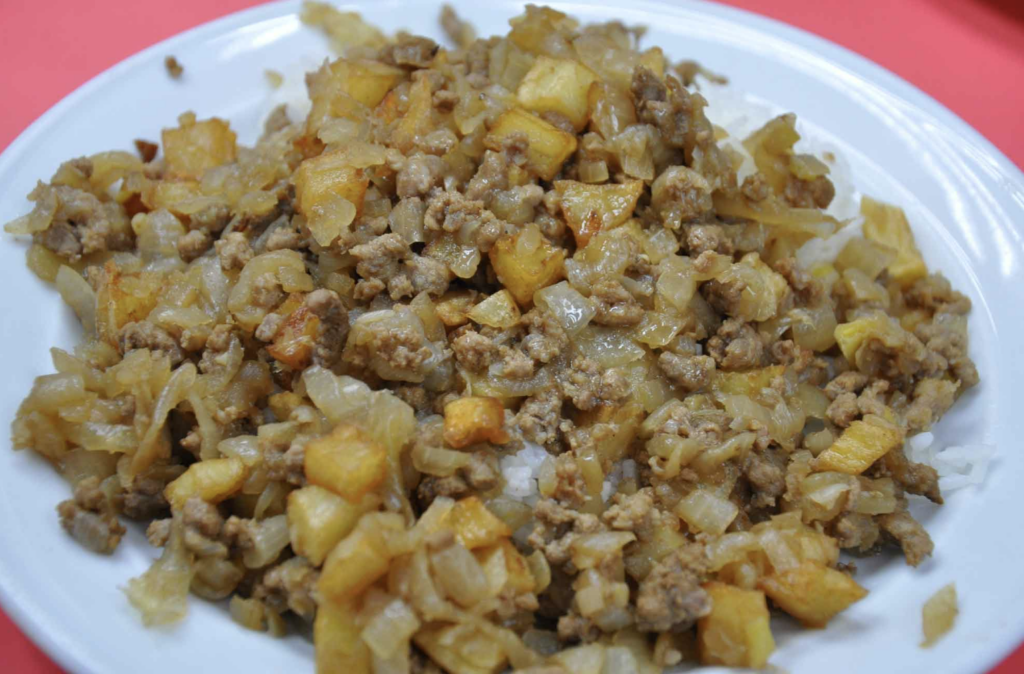
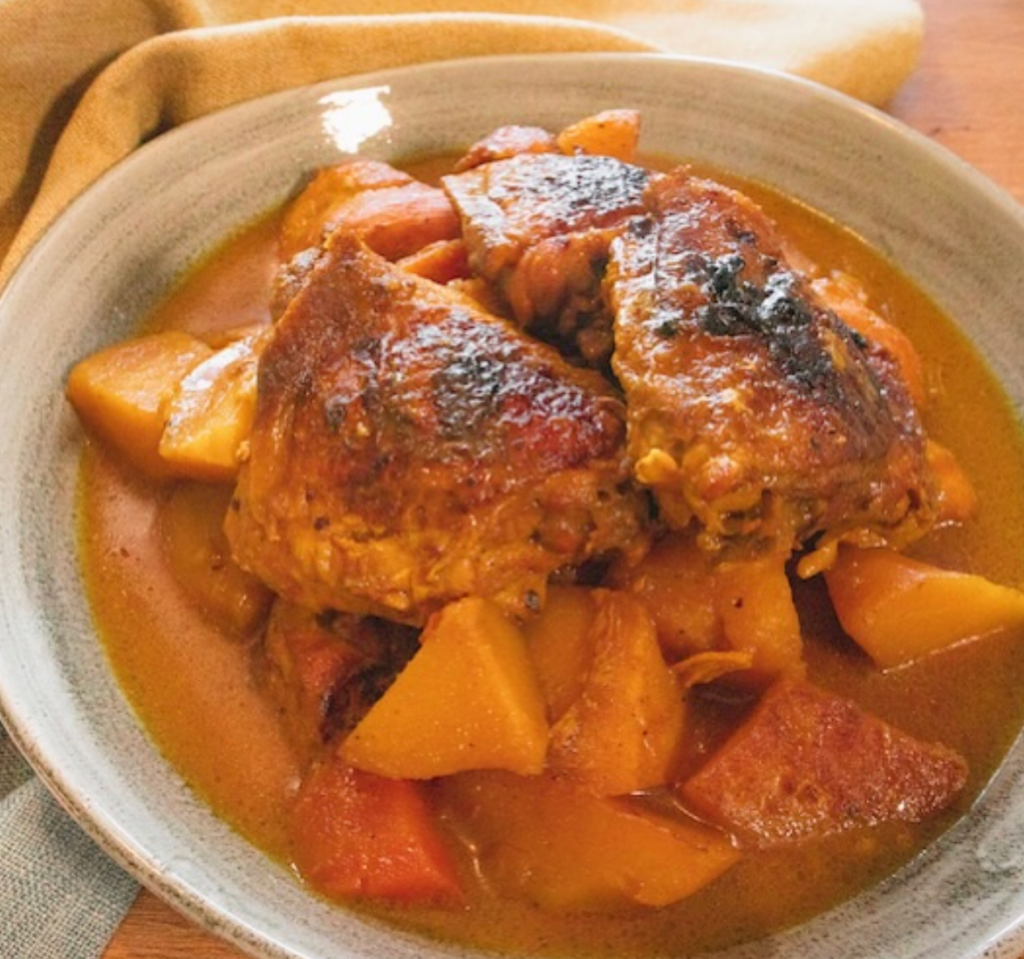
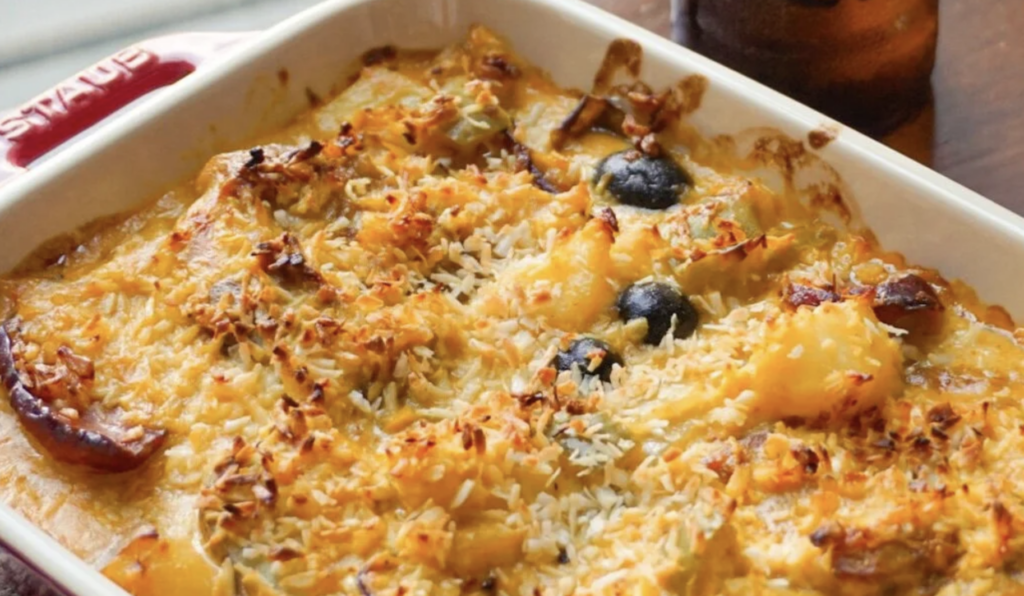
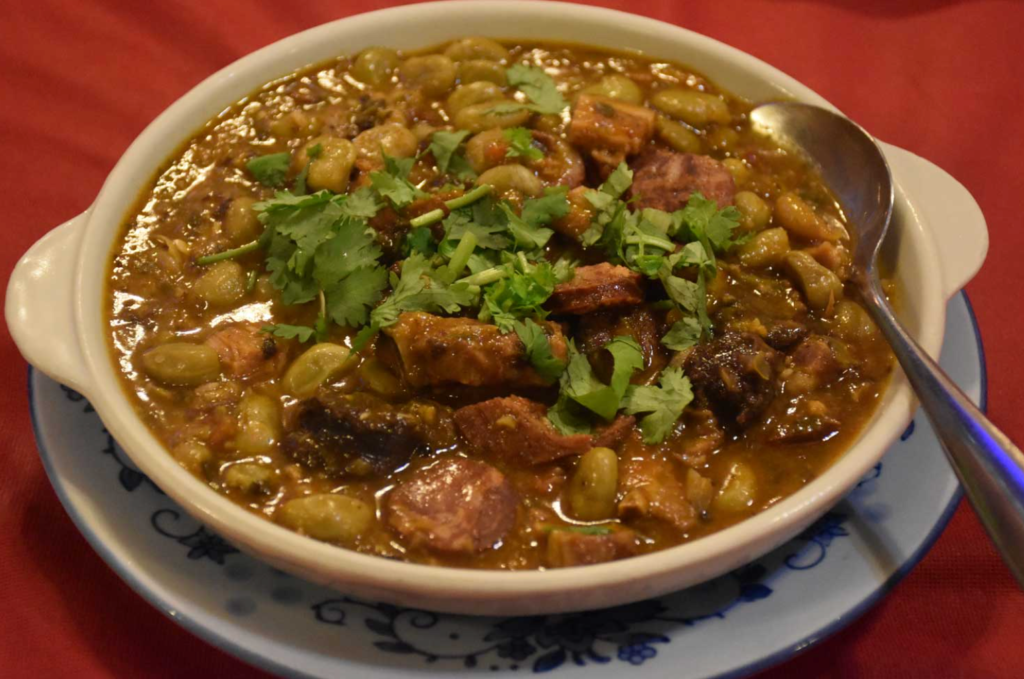
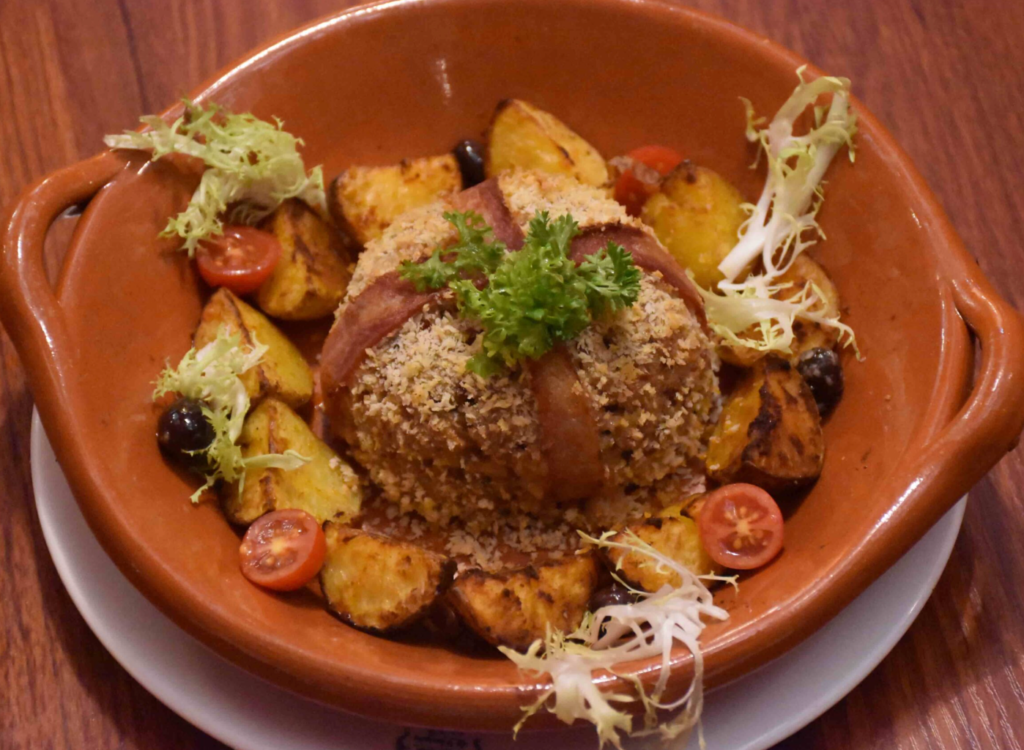
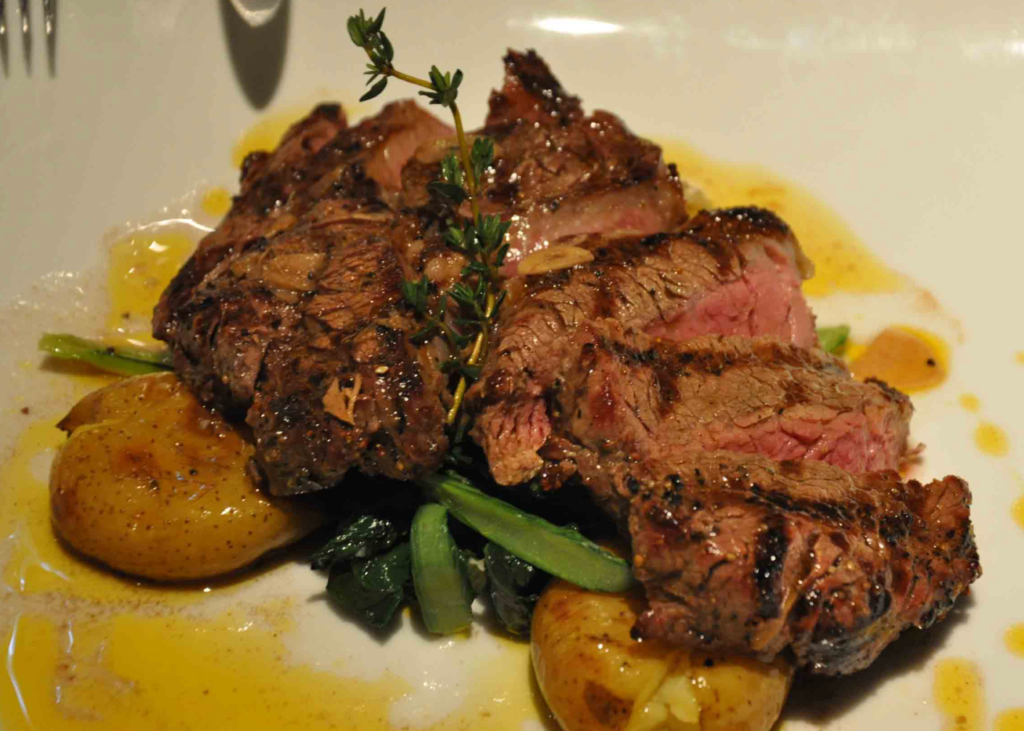
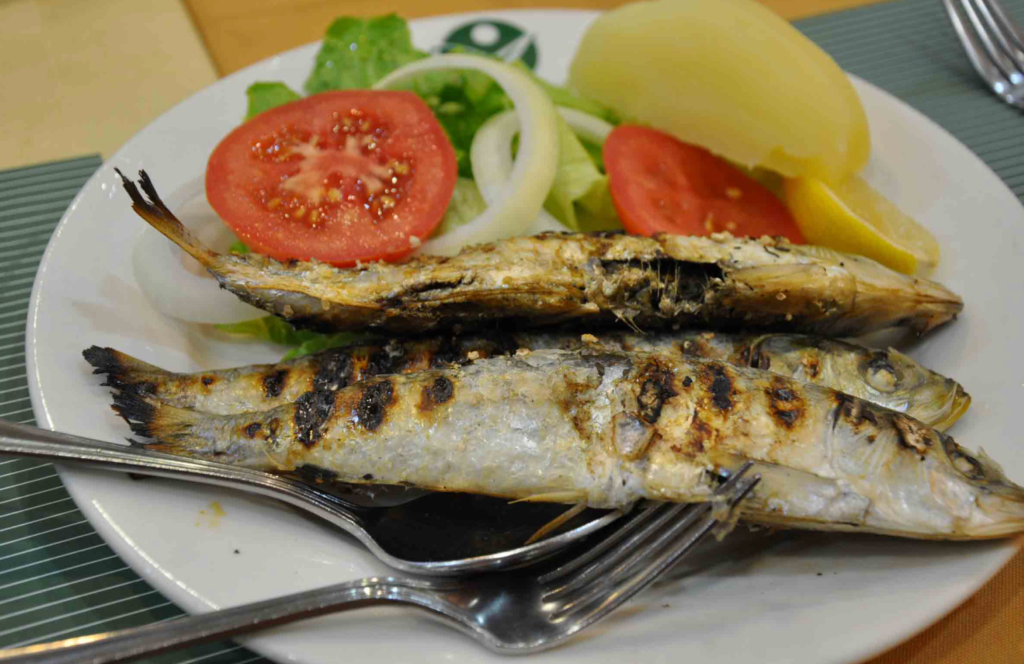
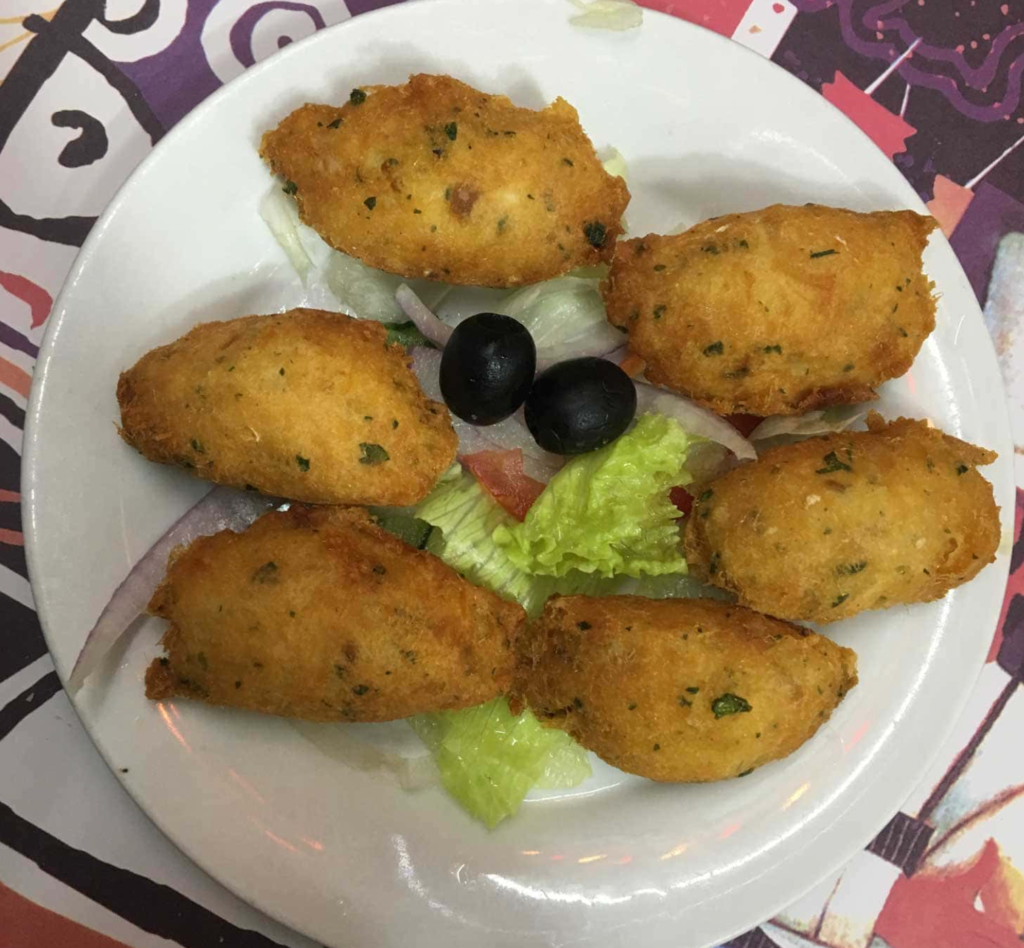
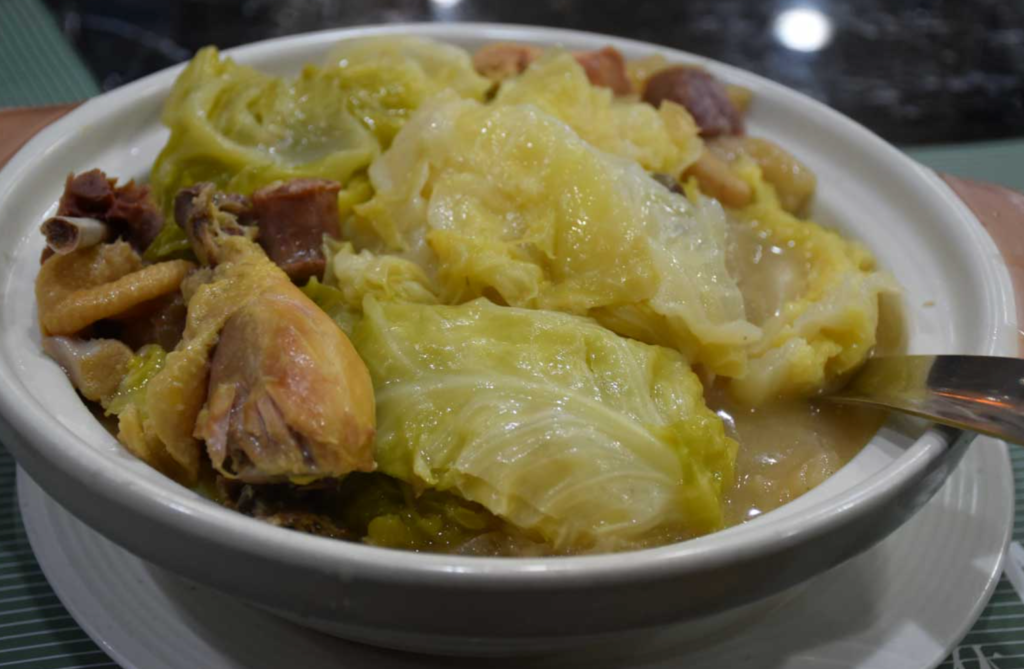
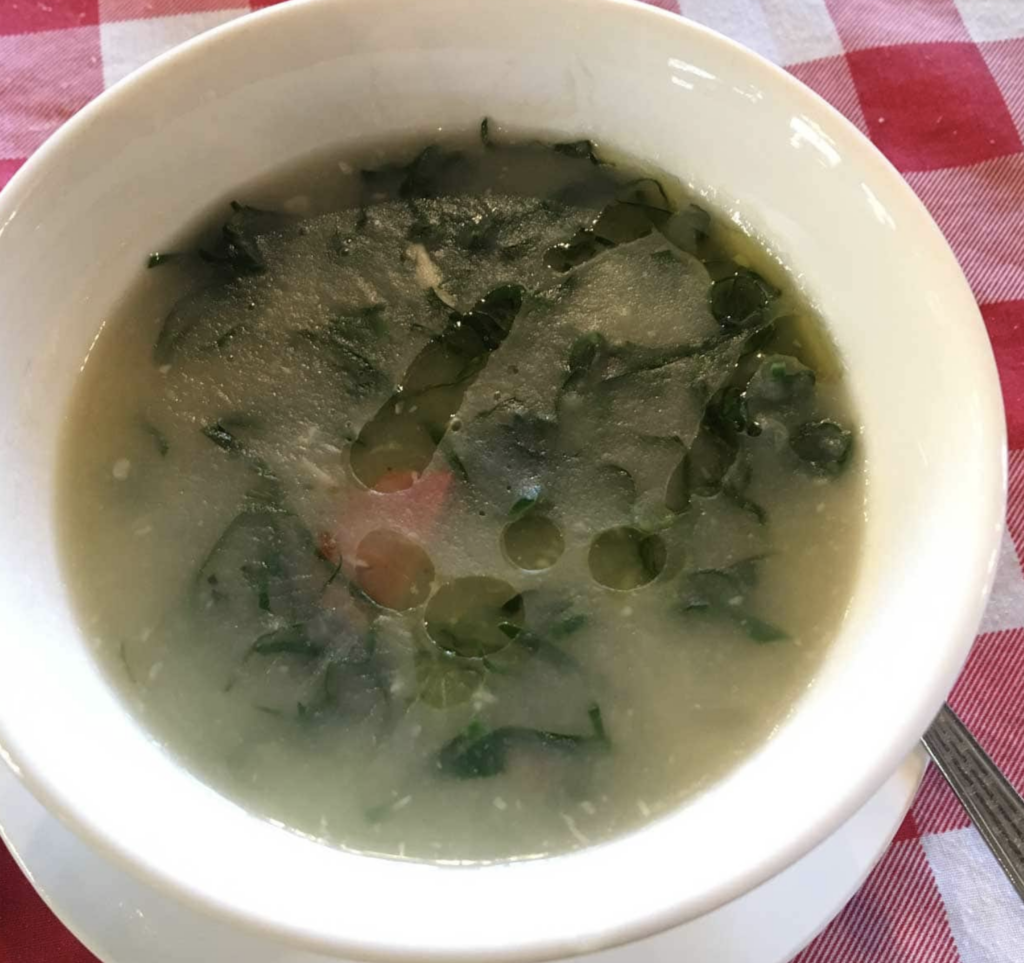
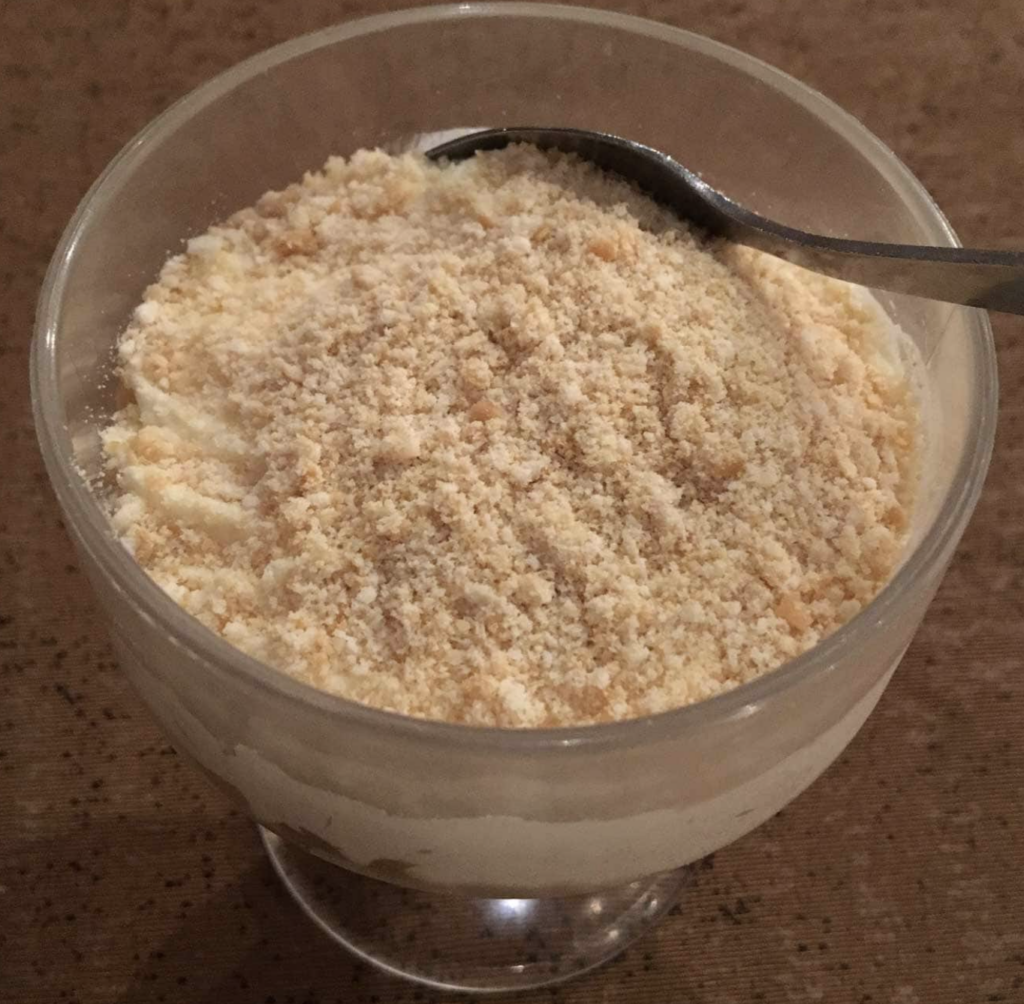
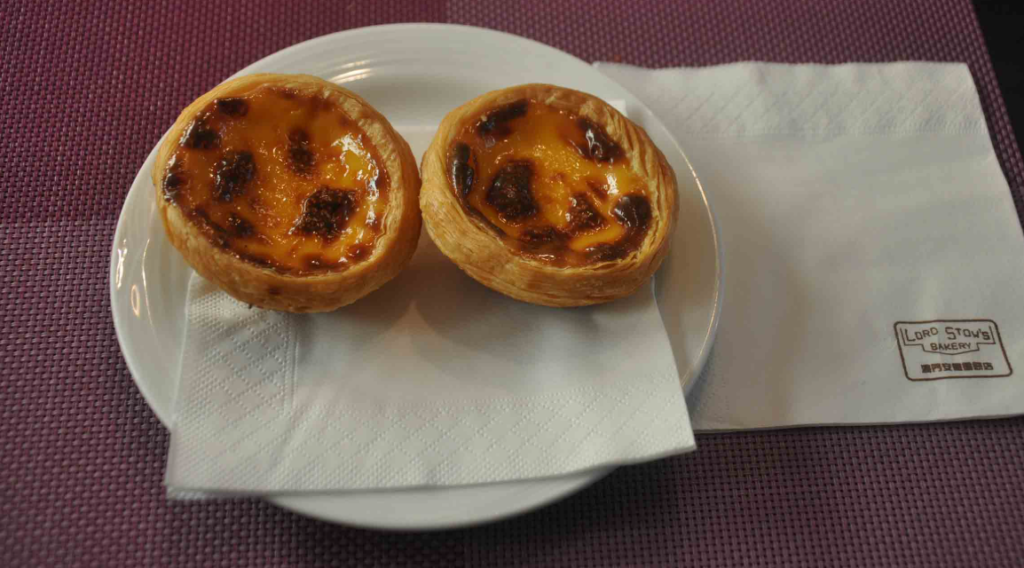
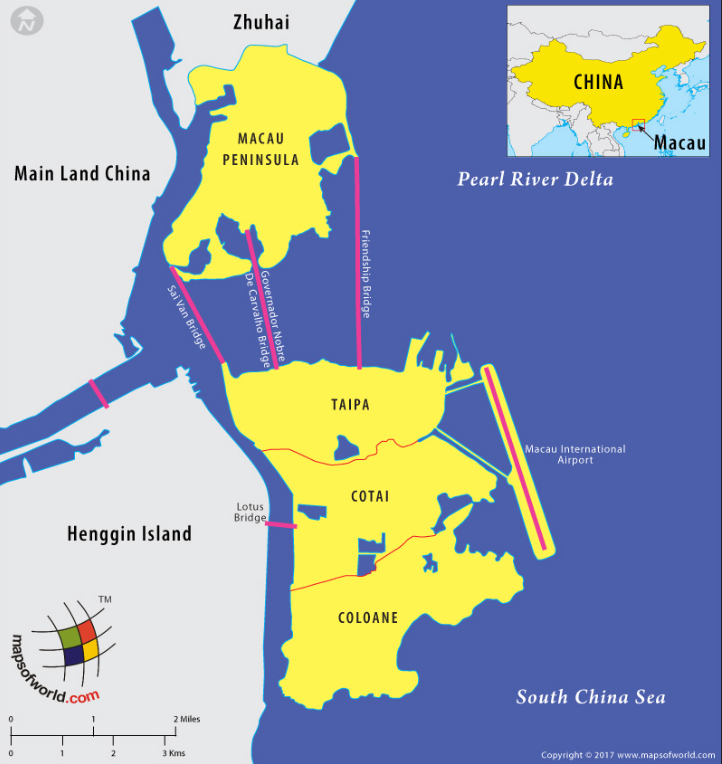
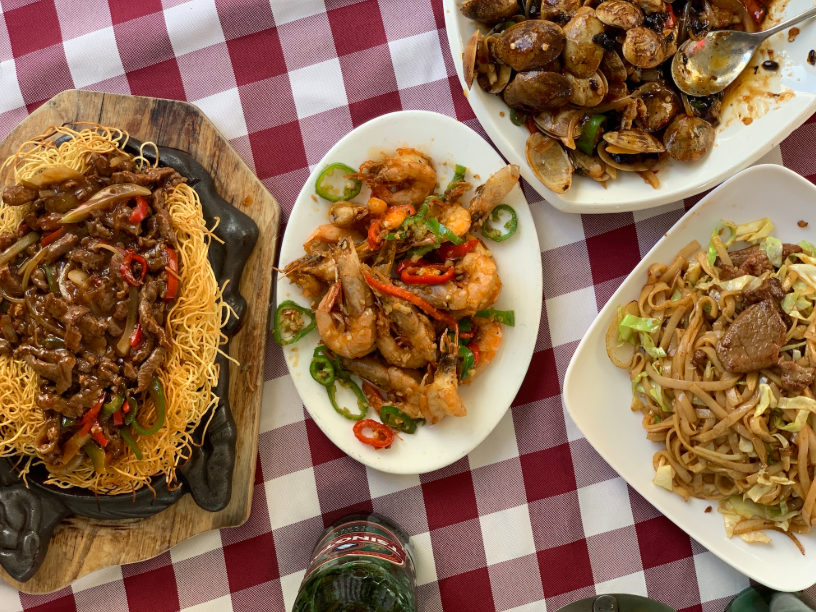
Macau has a few distinct dining areas ranging from historic, bustling streets to modern, luxurious resort areas. Top dining hotspots include Taipa Village (Rua do Cunha) for street food and Macanese classics, Coloane Village for rustic Portuguese food (Cafe Nga Tim or Fernando’s), the Cotai Strip for Michelin-starred and international dining, and the Old Macau Peninsula (near Senado Square) for traditional Cantonese food and cafes.
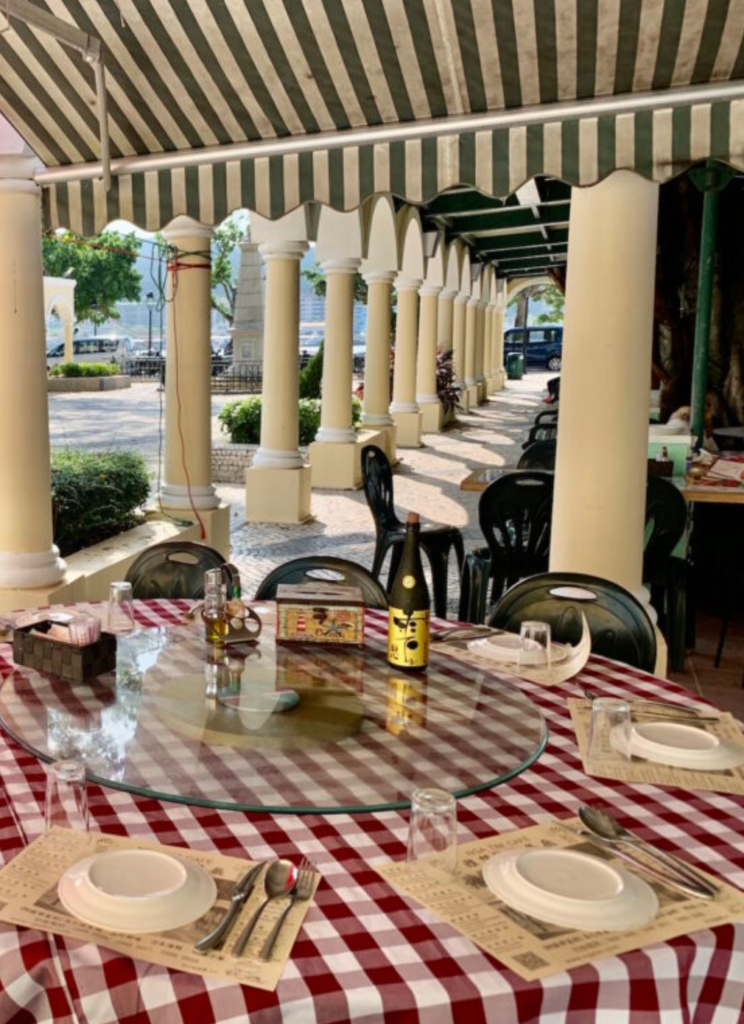
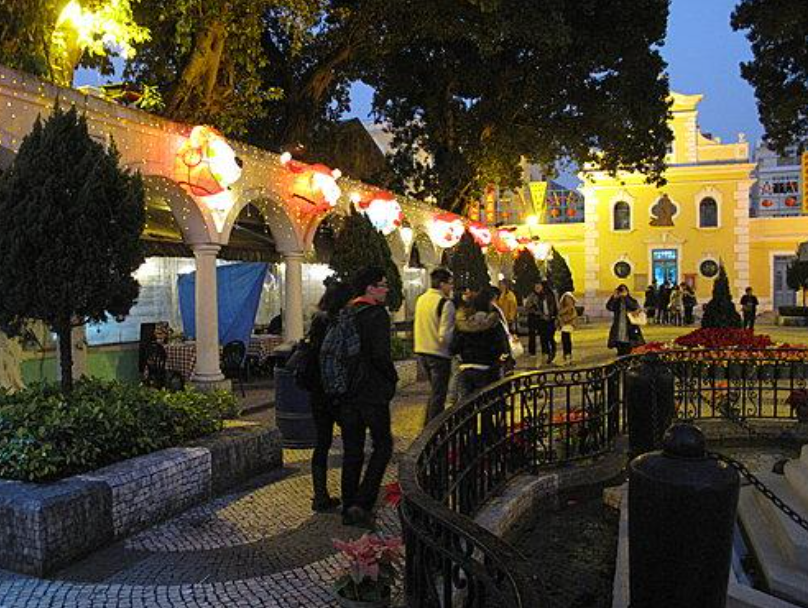
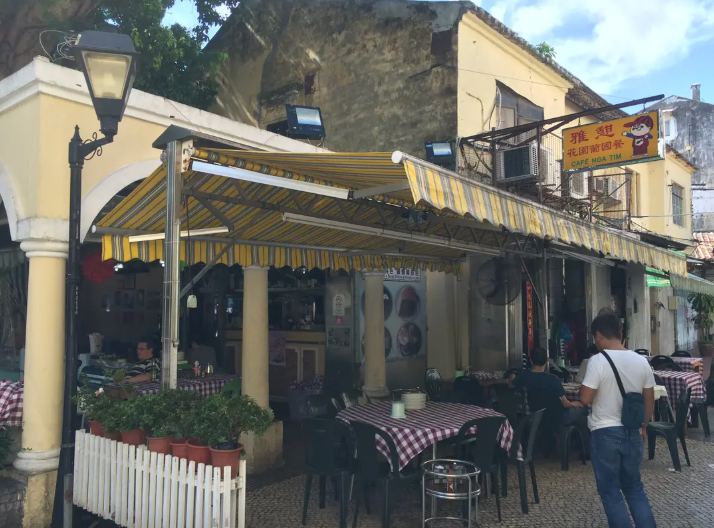
On the first night we ate at Cafe Nga Tim located in the cobblestone piazza by St. Francis Xavier Chapel in the Coloane Village. It has a great old Macau vibe with Portuguese wine and outdoor dining. We then headed back the revelry at the Hotel Lisboa Casino.
Walking to see the historic and cultural sites in Macau is easy and can be comfortably covered in a day or broken over two days. We chose to walk the Macau Peninsula one day and cover Taipa, especially Taipa Village, and Cotai Strip (a sight to be seen) on the second day.
When walking the Macau Peninsula key places to visit, learn and marvel include St. Lazarus’ Church, St. Michael the Archangel Chapel and Cemetery, Mont Forte, Ruins of Saint Paul’s, Na Tcha Temple, St. Dominic’s Church, Senado Square, Holy House of Mercy, St. Augustine’s Church, St. Joseph’s Seminary, St. Lawrence’s Church, Moorish Barracks, Chapel of Our Lady of Penha and A-Ma Temple.
For the Taipa and Cotai areas of Macau the day’s walk starts across the Governor Nobre de Carvalho Bridge (Macau-Taipa Bridge), to the colonial-era Taipa Village and specifically Rua do Cunha, a narrow and lively pedestrian food street. For historic places to visit from the Taipa Village head to Taipa Houses–Museum, Pak Tai Temple, and Our Lady of Carmel Church all in Taipa. From Taipa it is a short walk to the Cotai Strip where is an extraordinary experience best kept for night.