Macau is the only place in China where casinos are legal. There is a strong sense that through its history this is an earned right. It is a fascinating journey which is explored in this post, as well as a showcase of the extravagant casinos in Macau today.
The origins of legalised gambling in Macau hark back to the mid 19th century. However, Macau’s history of gambling evolved from unregulated street games since the 16th century.
Before its legalization in the 1850s, gambling in Macau was a deeply rooted, yet largely unregulated and unauthorized, pastime that thrived in streets, small betting houses, and residential areas. As a Portuguese colony established in 1557, Macau became a trading hub where traditional Chinese games were popular among both locals and migrants, mainly being Portuguese and Chinese labours from nearby Canton (Guangzhou), often operating in the shadows of the law. Small, often illegal betting houses existed in central districts alongside open-air street gambling.
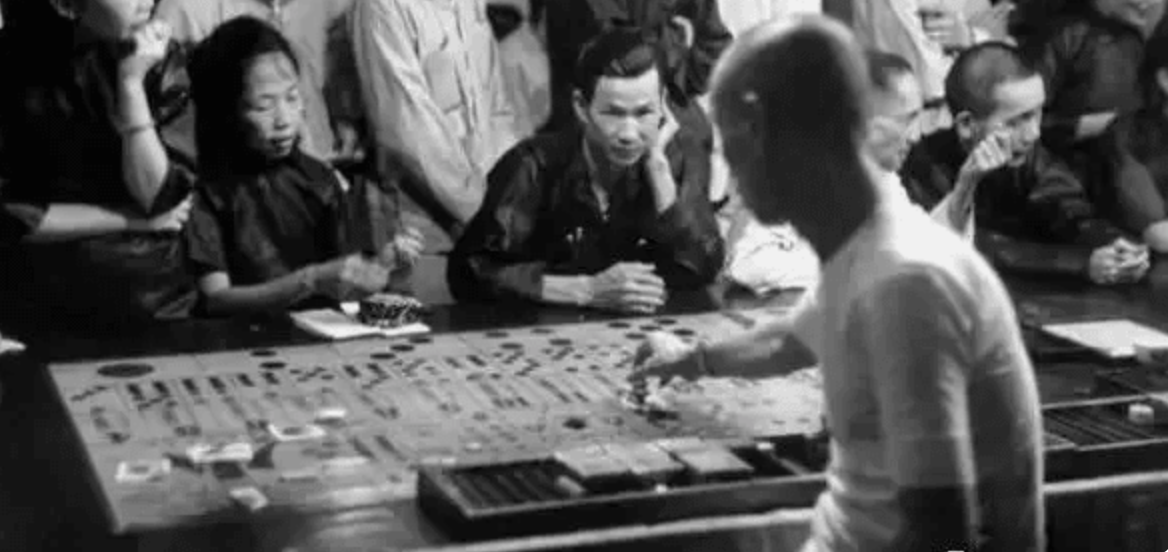
Street gambling frequently featured traditional Chinese games, most notably “fantan” and “pai gow”.
Fantan is said to have a 2,000 years history! The game may have arisen during third and fourth centuries, during the period of China’s Northern and Southern dynasties. It then spread through southern China during the Qing dynasty, especially across Canton and the Pearl River Delta region. The name Fantan dates back to the mid-nineteenth century and originated from the Cantonese words fān tān, which literally means “repeated division”. Before that time, the game was known as 掩錢; yǎnqián; ‘covering coins’.
It is a game of pure chance. The game is played by marking a square in the center of a table, the sides are marked 1, 2, 3 and 4 in anti-clockwise order. The banker (“ho kún”) puts on the table a double handful of small objects (buttons, beads, coins, dried beans, or similar articles), numbering about 200, which he covers with a metal bowl. When all bets are placed, the bowl is removed and the croupier (“tán kún”) uses a small bamboo stick to remove the objects from the heap, four at a time, until the final batch is reached. If the final batch contains four or less objects, those who wagered on position 1, 2, 3 or 4 will win matching whichever number of objects are left. The remainder lose.
Fantan uses a fixed-odds betting system where all winning wagers are paid according to the true odds of success. The pool of money used to pay off bets is the total amount wagered on all positions, less a house commission, which ranges from 5% to 25% depending on the time and place. There are four types of bets which can be made.
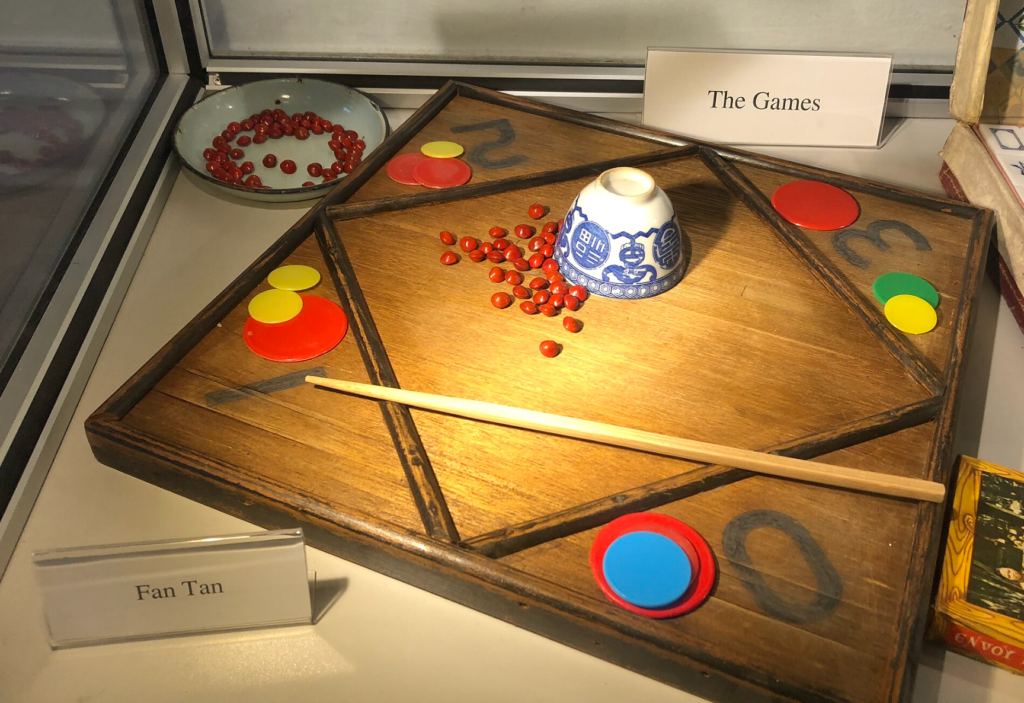
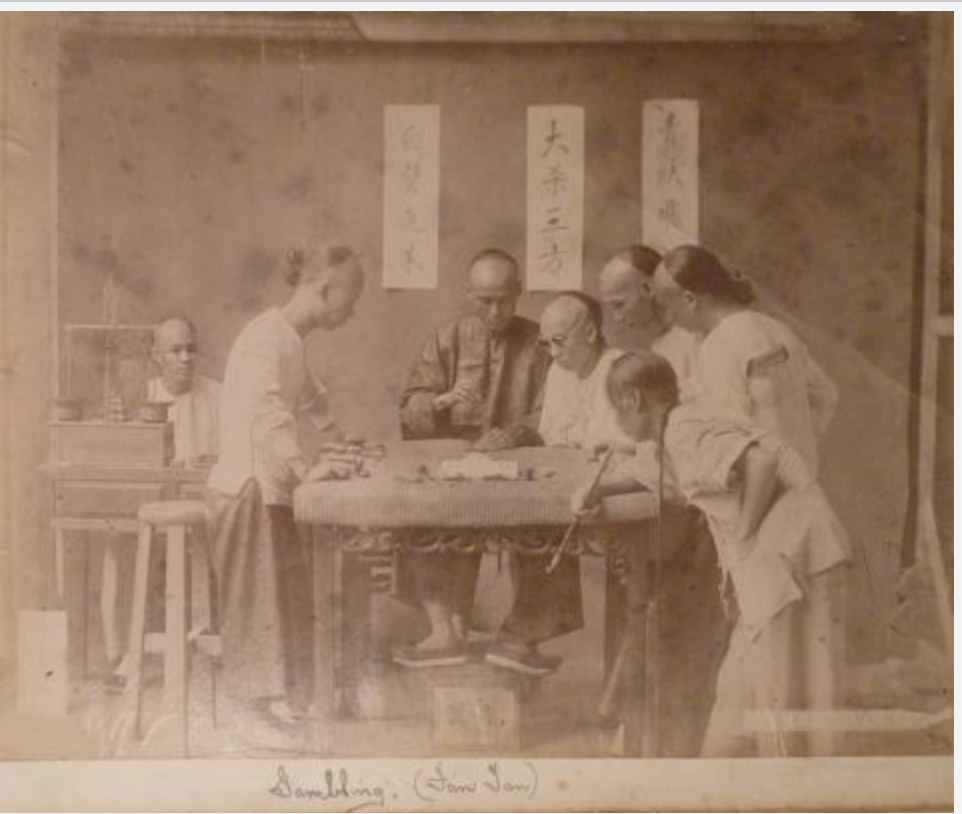
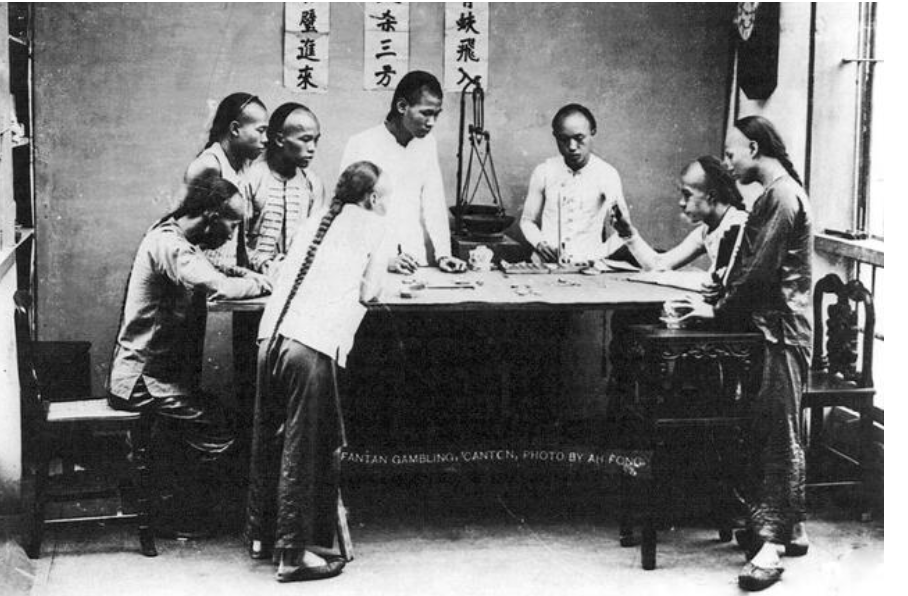
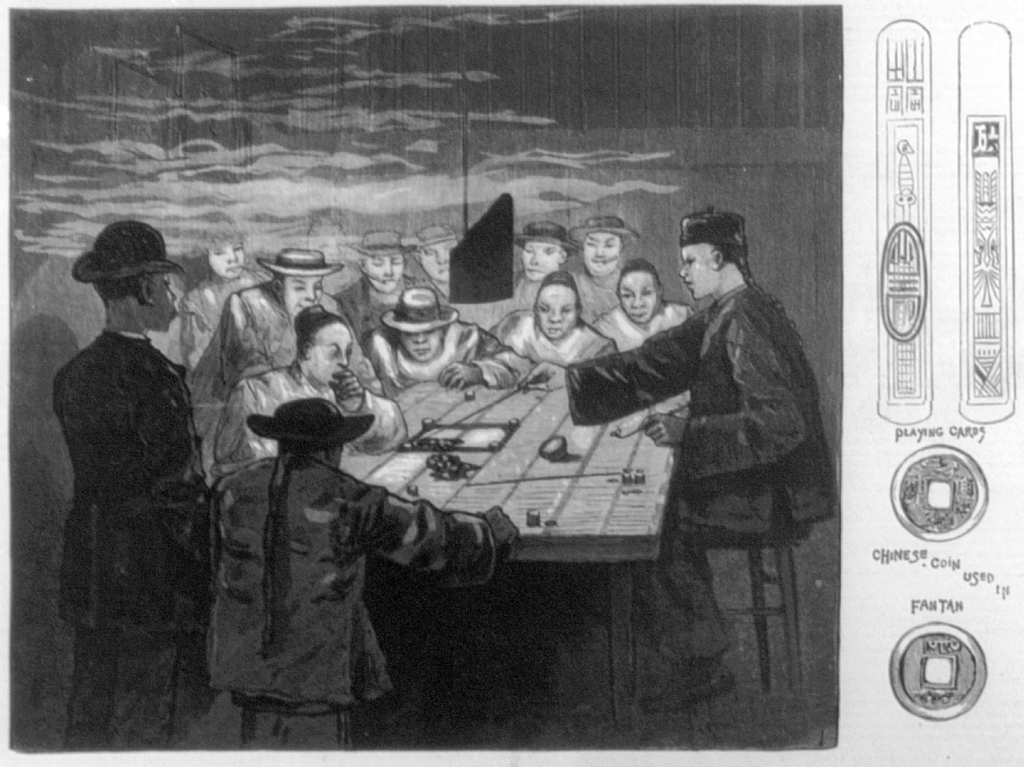
Fantan is no longer as popular as it once was, having been replaced by modern casinos games like baccarat, and other traditional Chinese games such as mahjong. Fantan is still played at some Macau casinos, with the Lisboa Casino being one.
The Macau government began to change its stance in the 1840s and transition to legalised gambling. Faced with economic competition from the newly established British colony of Hong Kong, the Portuguese governor João Maria Ferreira do Amaral legalised and began taxing gambling in 1847 to fill depleted government coffers. In addition, corruption was rife within the illegal gambling which needed to be addressed. This saw the Portuguese government introduce a licensing system to manage, rather than ban, gambling activities.
Early gaming still centered on traditional Chinese games, primarily fantan and vae seng (a lottery). By the 1850s, more than 200 fantan gambling houses operated throughout the city that were required to pay gambling rent to the government.
By the late 19th century, gaming taxes had become the primary source of government revenue, earning Macau its long-standing nickname the “Monte Carlo of the Orient”.
From the 1930s until 2002, the Macau government granted exclusive “monopoly concessions” to single syndicates to operate all approved casino games. The first monopoly was granted to the Hou Heng Company in 1930, which introduced amenities like free food and Chinese opera. It was followed by the Tai Heng Company in 1937, which introduced Western games and converted the Central Hotel into its flagship.
One of the two founders of the Tai Heng Company, Fu Tak-Iam, lived a true rags-to-riches life. He was born into a farming family in a village near Foshan city, in Guangdong province. Being very poor he turned to gambling and entrepreneurial ventures and his first business venture saw him boiling peanuts in salted water and taking them to the neighbouring city of Guangzhou to sell. In the midst of a drought and resulting heightened poverty, he and his dad moved to Hong Kong in search of work, a better life and to send money back home. By 1927, following mixed fortunes including gambling, fighting and 10 months in jail but also some successful money raising ventures he had earned enough to build a large garden in his home village in honour of his ancestors.
Fu continued to be intrigued by gambling and became obsessed with setting up a business(es) with required gaming concessions in Guangdong and later Macau. In 1930, he made a bid but was defeated by Hou Heng, a consortium of powerful Hong Kong and Macao businessmen that included Huo Zhi-ting, a wealthy businessman with gambling interests in Guangdong. Fu became a friend of Huo and in 1935 the two set up gaming companies in Guangzhou and Shenzhen, attracting many gamblers which badly affected the business in Macau.
In 1937, along with a new business partner, Kou Ho-ning who was one of the richest and most powerful people in Macau, they set up a company named Tai Heng. They successful obtained the second gaming license in Macau. Kou put capital into Tai Heng whilst Fu ran the gaming operations.
Fu’s timing was perfect. Six months later, the Japanese army attacked Beijing and then occupied Guangdong province; he had left for Macau just in time. The war drove many wealthy people, both Chinese and foreigners, to take refuge in Macau, where they became clients of his hotels, restaurants and casinos. Later, Japanese occupation of Hong Kong and the outbreak of WWII drove business even further. Over time, he would become an important figure in Macau as a gaming king, business and true community leader.
During World War II, thousands lived on the streets or in makeshift camps set up by the government, the churches and other charitable organisations. Fu donated money to buy food and daily necessities for the refugees. Fu was also active as a contributor to Tong Sin Tong (the biggest Chinese charity in Macao), the Kiang Wu hospital and the Red Cross.
He was also a central part of an infamous moment in the city’s past, a kidnapping in 1945 that saw him lose part of his right ear during the dramatic negotiations for his release. This led him to begin to diversify his business interests to Hong Kong, into real estate businesses, and he eventually moved there to live. In 1960, at the age of 66, Fu passed away at his Hong Kong home.
In 1961, the government designated Macau a “permanent gaming region”. The industry saw a major breakthrough in 1962 when the government granted the monopoly rights to all forms of gambling to Sociedade de Turismo e Diversoes de Macau (STDM), run by Stanley Ho. This usurped the license previously held by the Tai Heng Company. The STDM introduced Western-style games and modernised the high-speed ferries between Macau and Hong Kong, bringing millions of gamblers from Hong Kong every year. STDM also built the iconic Casino Lisboa which was opened in 1970. In the 1980s, STDM formalised the “VIP room” and junket system, which eventually accounted for over two-thirds of all revenue. The license was extended in 1986 for another 15 years and expired at the end of 2001.
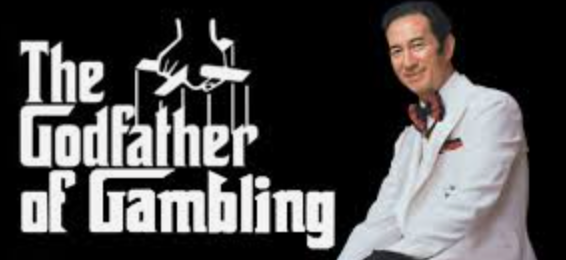
Stanley Ho, whose Chinese name was Ho Hung-sun, was nicknamed either Godfather or King of Gambling. Born in Hong Kong he was of Chinese, Dutch-Jewish and English ancestry. His estimated peak net wealth was USD15 billion through founding and becoming the majority owner and Chairman of STDM, also founding Shun Tak Holdings for shipping and property, and later SJM Holdings to operate his casino empire, as well as controlling the Macau Jockey Club. Ho was famously polygamous, fathering seventeen children with four women. He died in 2020 aged of 98 years which for his profession and life is a feat!
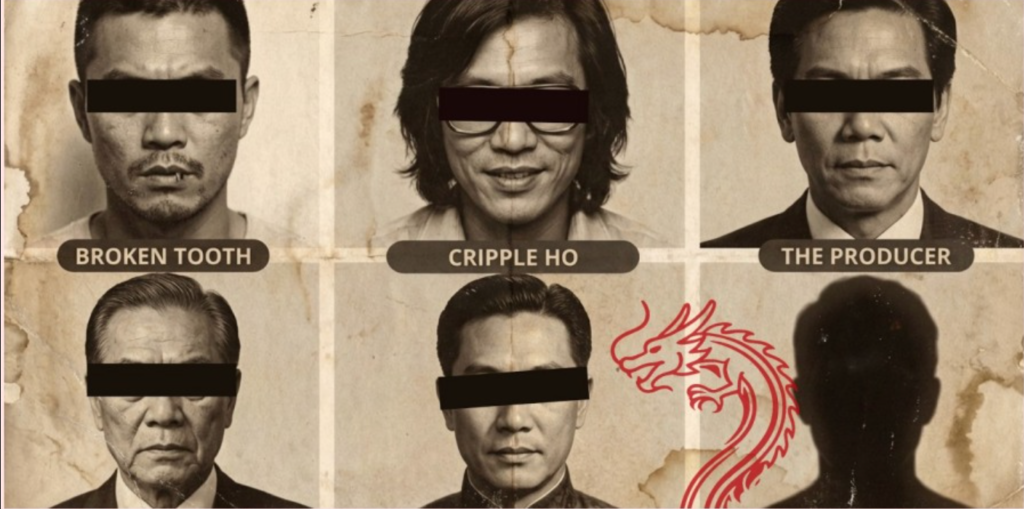
During the period 1996 – 1998, Macau experienced violent “triad wars” driven by competition for control of casino VIP junket rooms, largely involving the 14K and Shui Fong gangs. Led by Wan Kuok-koi (“Broken Tooth”), the 14K battled rivals in a surge of public killings, bombings, and shootouts, just prior to the 1999 handover to China. The Portuguese authorities of Macau mostly failed to address the violence, which resulted in 122 deaths, or to catch those responsible.
This was occurring throughout the entire time I was living in Hong Kong and visiting Macau!! Whilst I didn’t see it first-hand, it was always in the background and a talking point amongst friends.
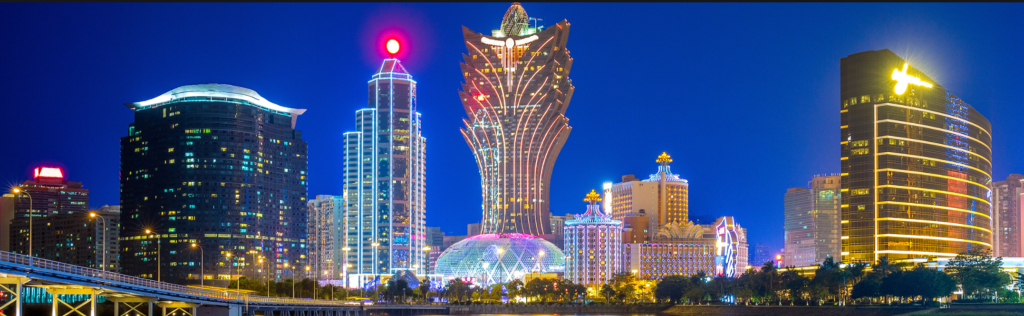
In 2002, to stimulate the economy further the Macau government ended the monopoly system and granted three (then a further three) casino operating licenses. The entry of foreign operators transformed the skyline. The Sands Macau opened in 2004, the Grand Lisboa in 2006 and the Venetian Macao followed on the Cotai Strip in 2007.
Today, Macau is not just the Las Vegas of the East, it is actually the largest gambling hub in the world! In 2007, Macau officially overtook the Las Vegas Strip in total gambling revenue. Now, Macau’s gaming revenue far exceeds Las Vegas, by 6x gaming revenue annually.
As a reflection of evolving societies, in 2022, the Macau SAR government issued a new law limiting concessions (licenses) to six operators for 10-year terms, with a requirement for increased emphasis on non-gaming diversification, such as healthcare, sports, and art, as part of its future economic strategy.
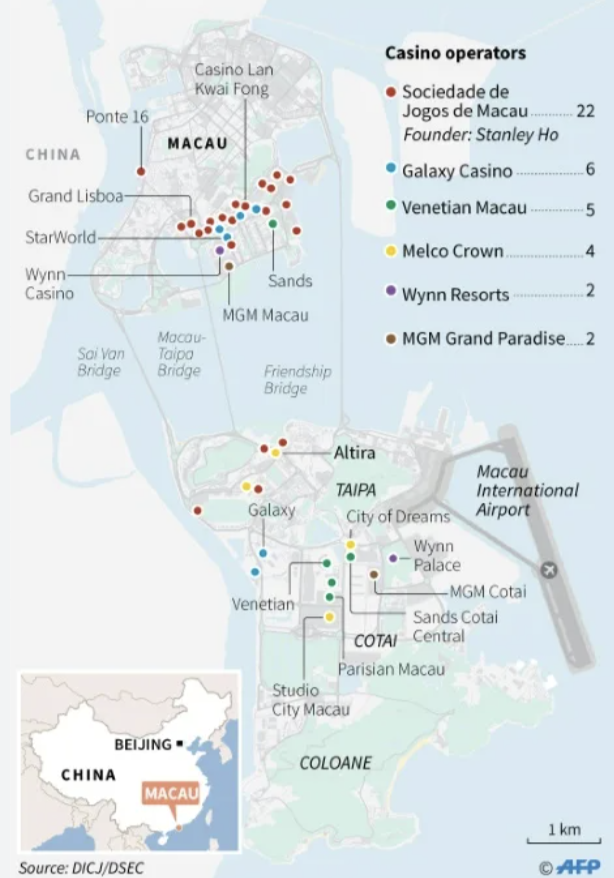
As a result, Macau offers incredibly lavish casinos and entertainment complexes across two main areas being the Cotai Strip and the Macau Peninsula. Macau has 41 casinos (as of 2019), of which the biggest is The Venetian Macao. 24 casinos are located on the Macau Peninsula and 17 in Cotai.
A wide range of games are available, including roulette, blackjack, baccarat, boule, fantan, keno and slot machines. Chinese gamblers generally prefer table games, the most popular of which is baccarat.
Macau Peninsula
The Macau Peninsula casinos offer the original and historic, high-stakes VIP, integrated gambling experience near city landmarks.
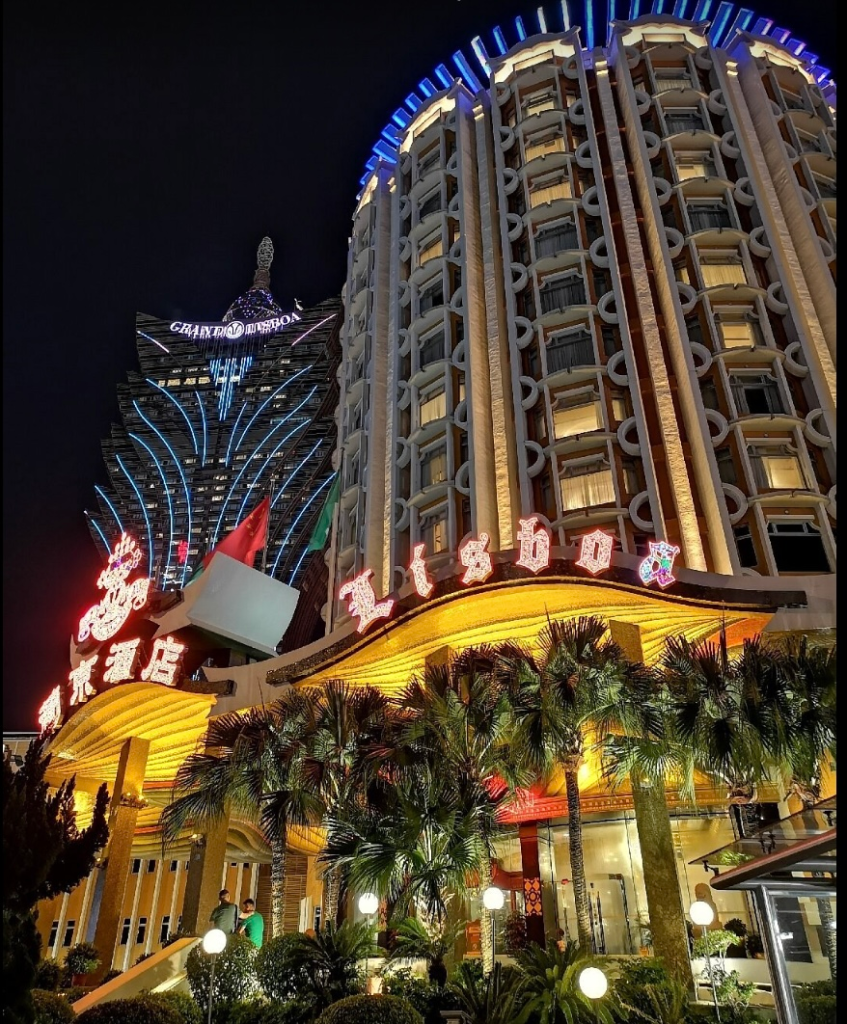
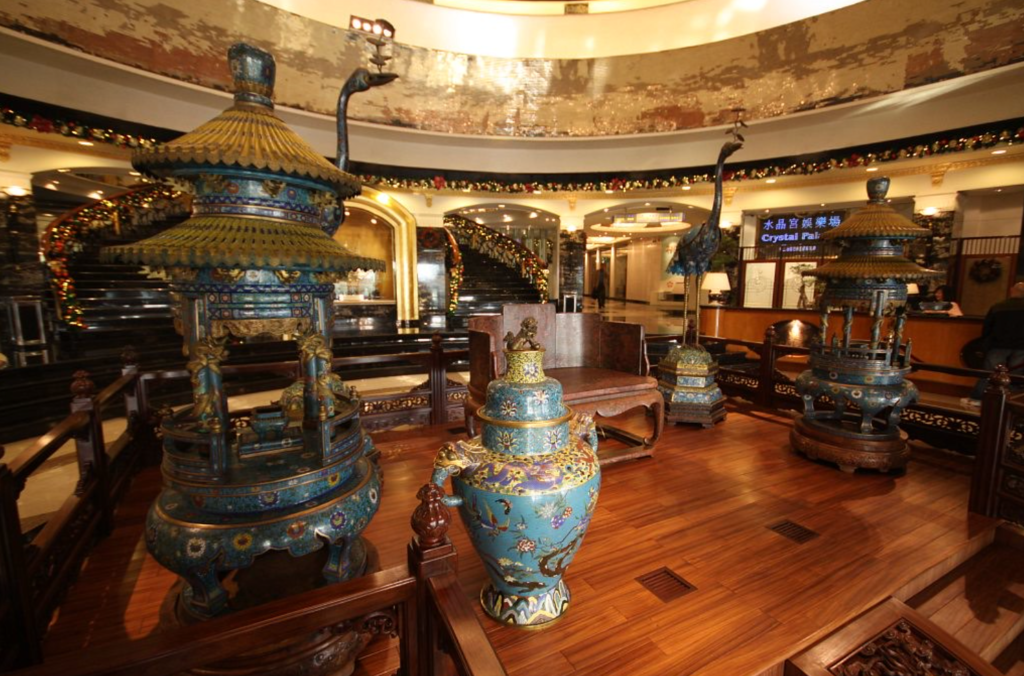
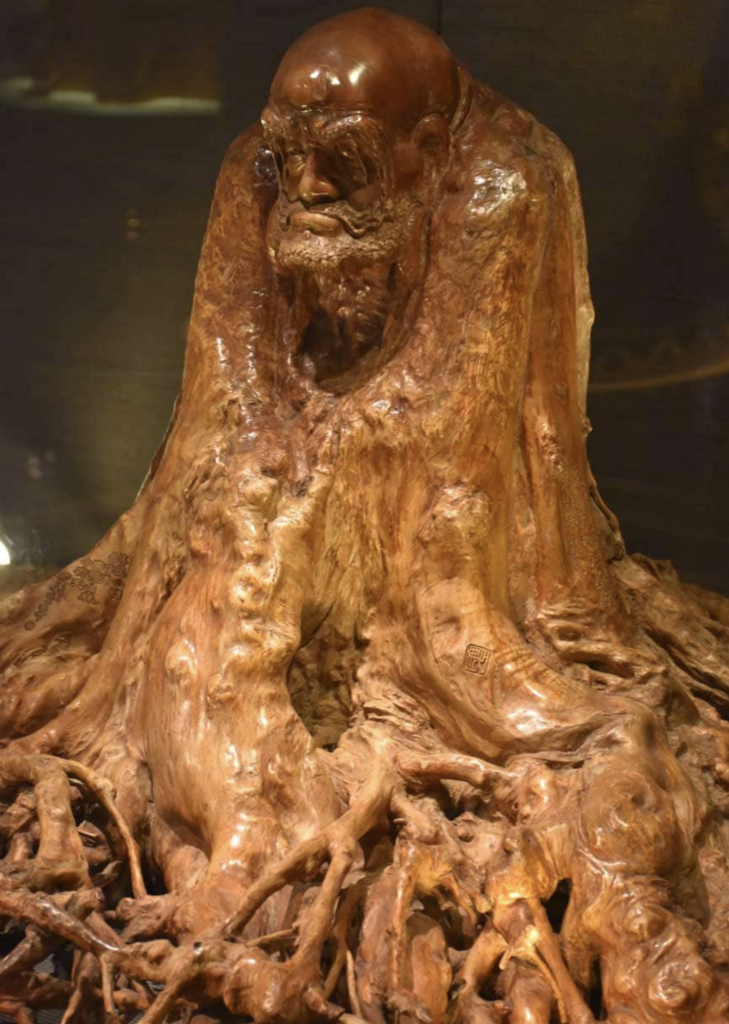
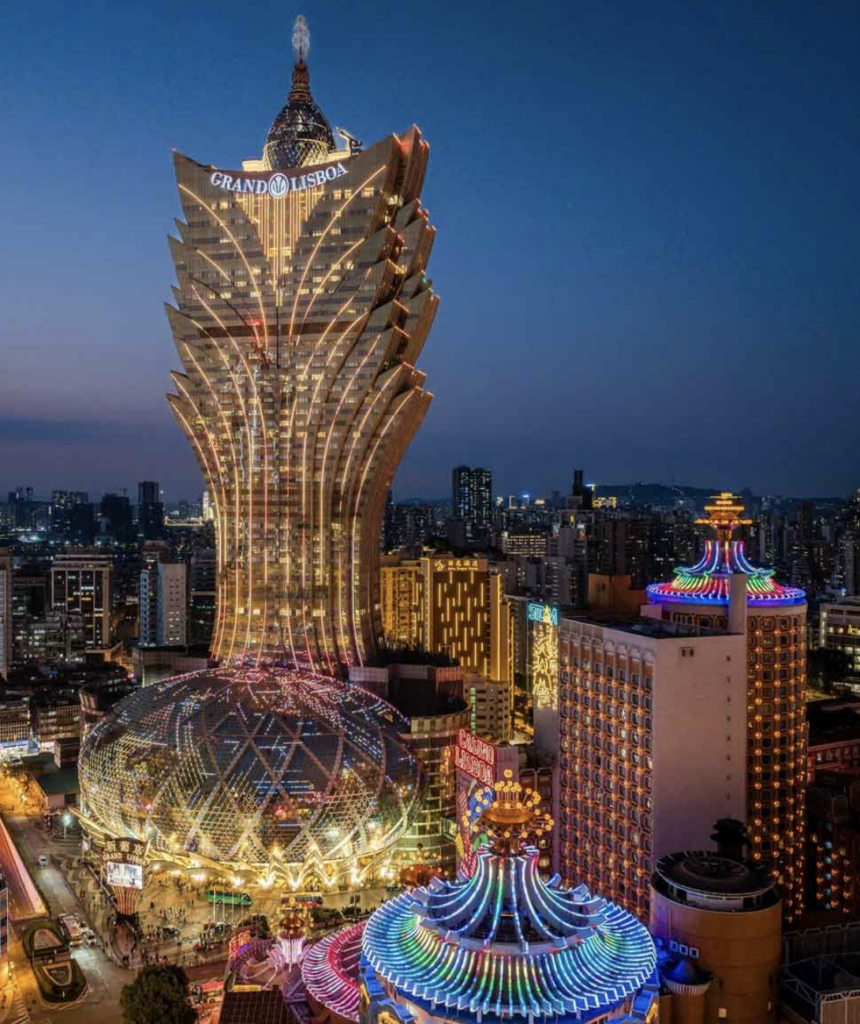
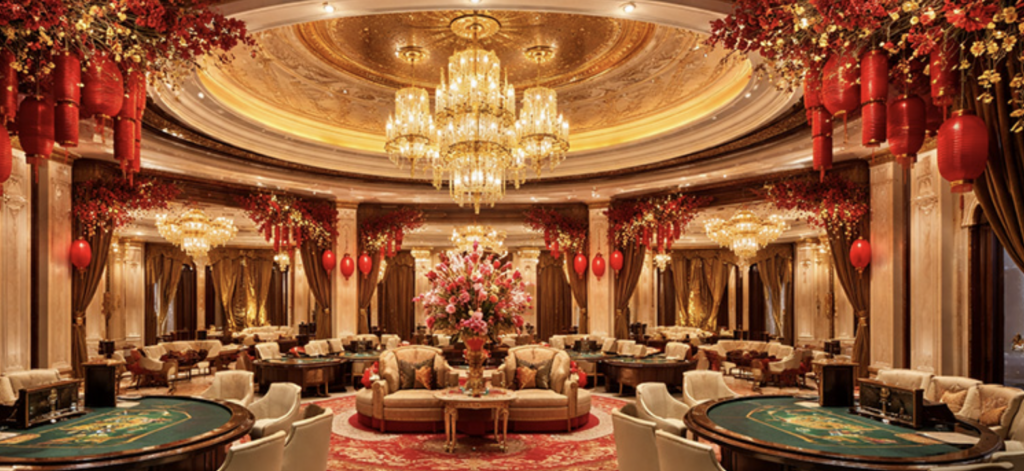
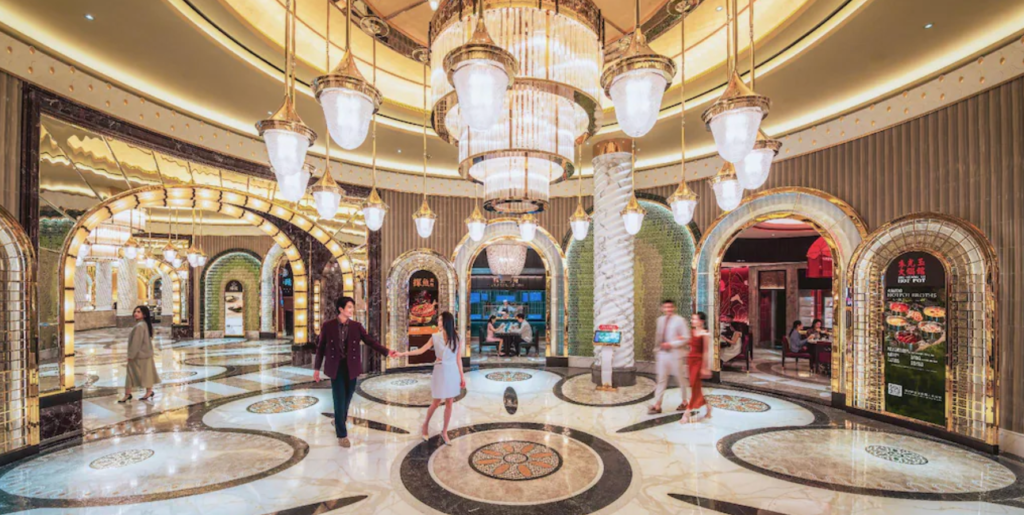
The Grand Lisboa has the richest history not only on the Macau Peninsula but all of Macau. It has four floors of gaming and 9 different games to choose and minimums to invite all levels of gambler. The new Grand Lisboa building is considered a design in poor taste however it is a must-go casino if you find yourself in Macau. The Lisboa lobby has one of the best art museums in Macau with many priceless antique pieces, given the extensive collection on display courtesy of the legend himself, Stanley Ho.
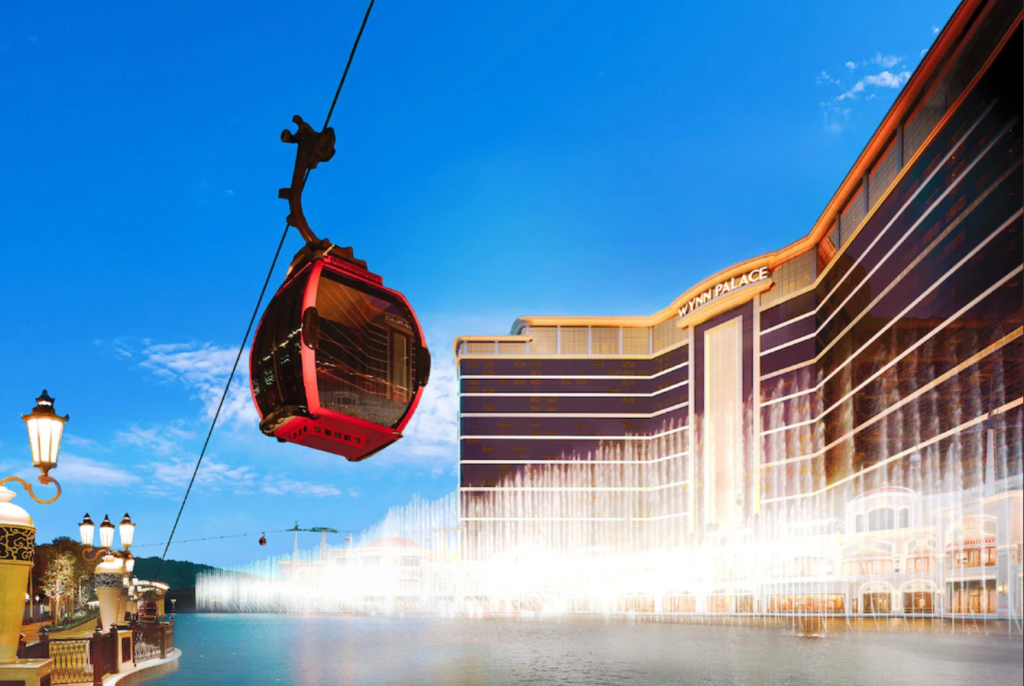
The Wynn Palace Macau is considered to have the best VIP offer, which is largely limited to playing baccarat, in Macau. Opened in August 2016 at a cost of US$4.1 billion, this is one of the sassiest new properties. As a fun fact, it boasts Macau’s largest spa — 48,000 square feet of treatment rooms as well as a water therapy zone, sauna, steam room and relaxation room.
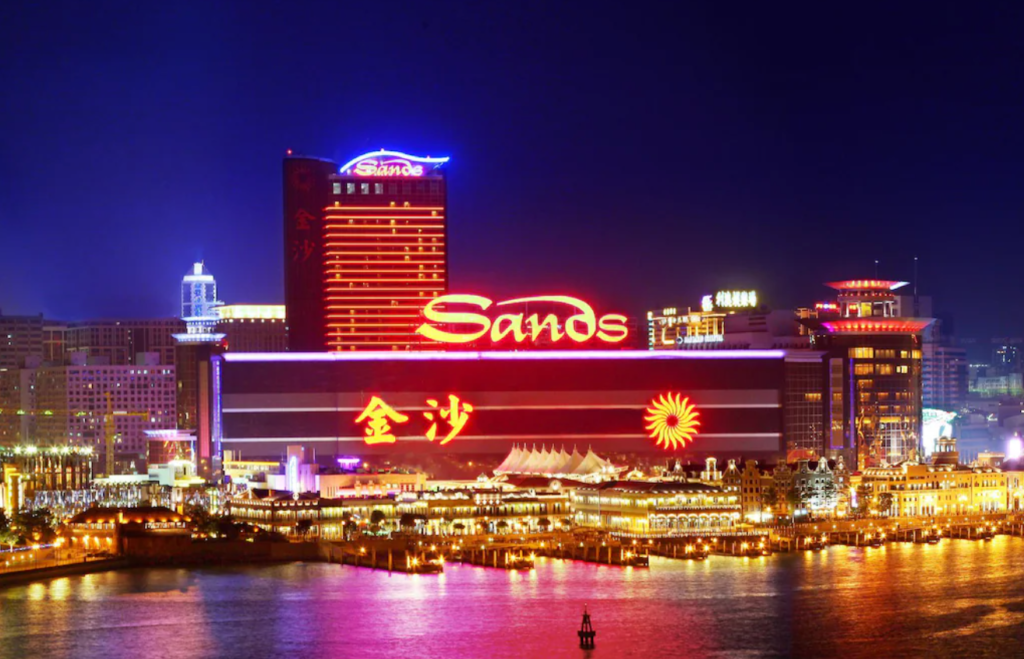
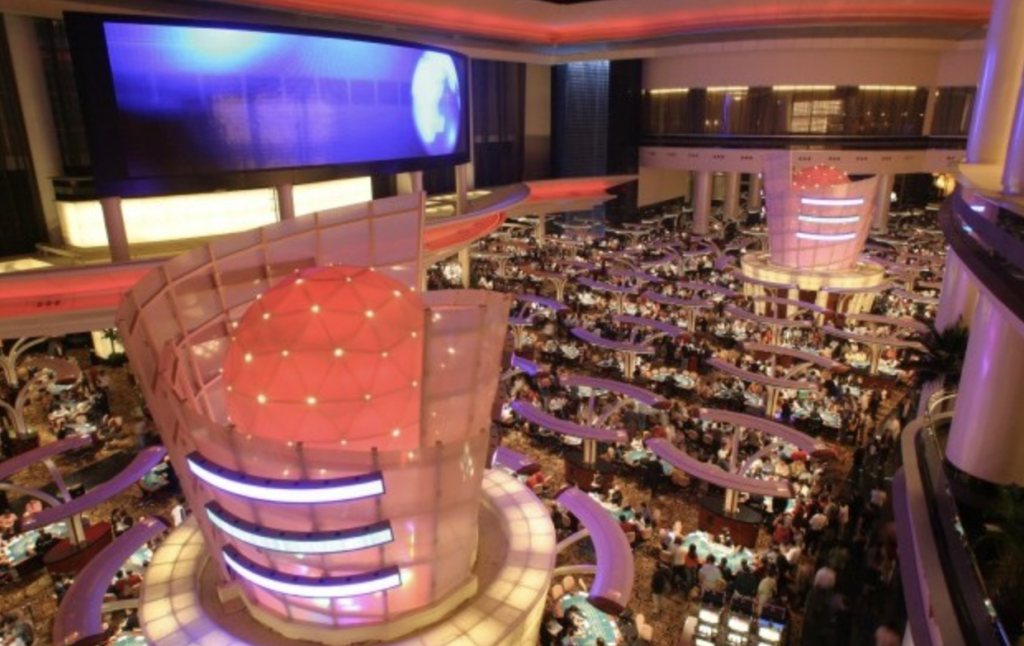
The Sands Macau, opened in 2004, is unique as the first Las Vegas-style, foreigner-owned casino in Macau, essentially launching the modern gaming era on the peninsula. Unlike its later Cotai counterparts, it is a city center casino and hotel featuring a distinct gold glass facade, focusing on high-end, 289-suite luxury accommodation.
Cotai Strip
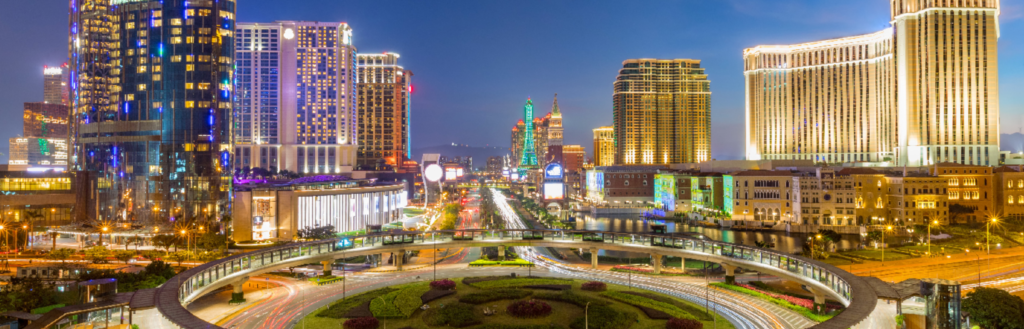
The Cotai Strip has the newer more lavish casinos which have been built in this area and are an attraction in their own right even if you don’t go to gamble. They are massive, modern and integrated mega-resorts designed for entertainment and luxury. The Cotai Strip casinos has the most expensive tables in town, and if you’re priced out, head to the Peninsula and play at the Lisboa.
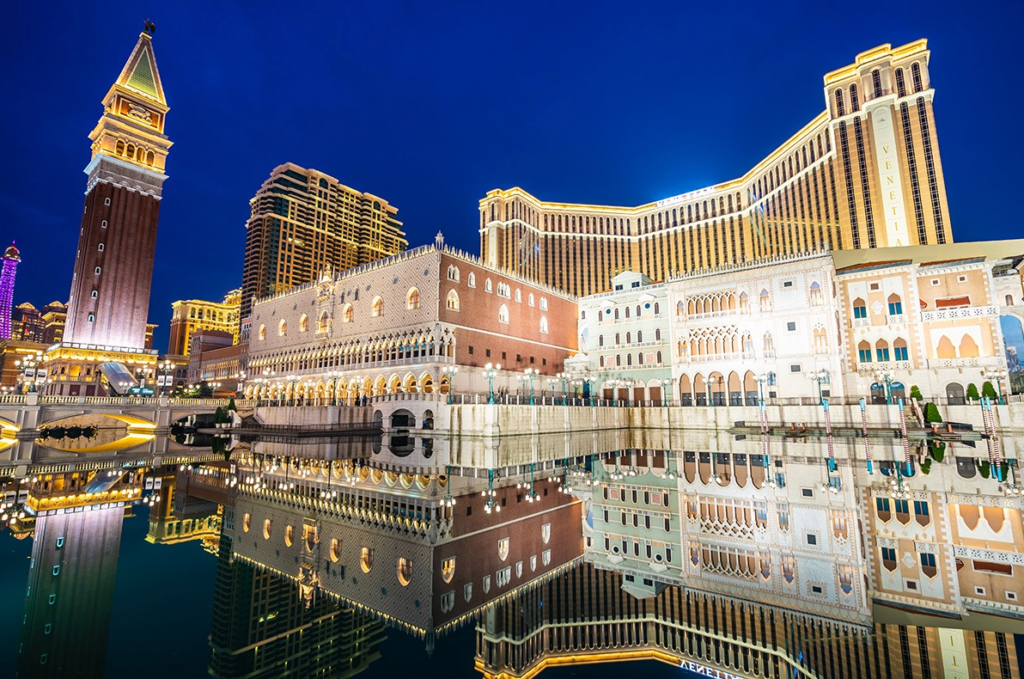
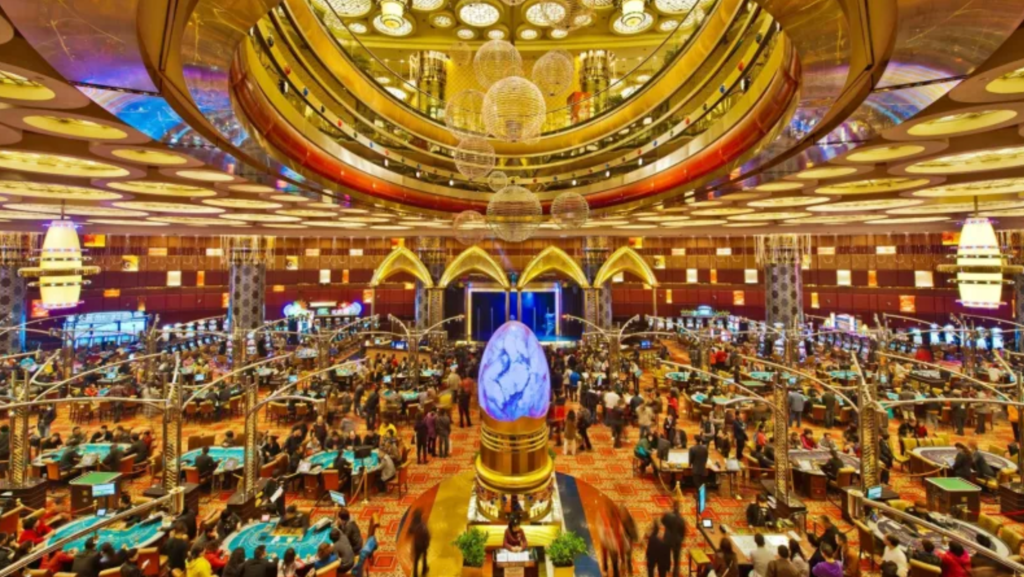
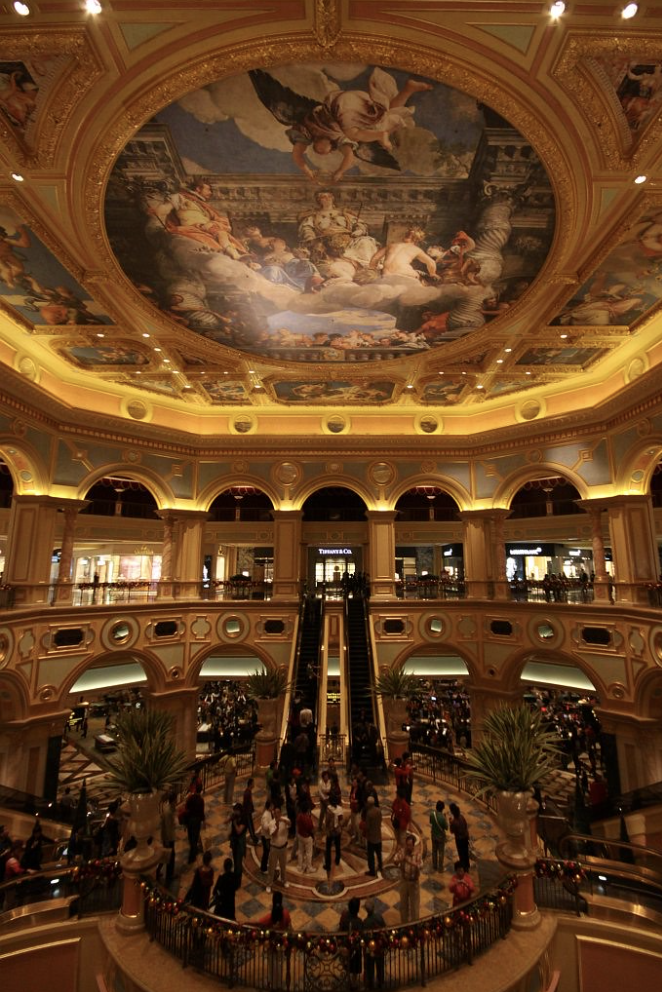
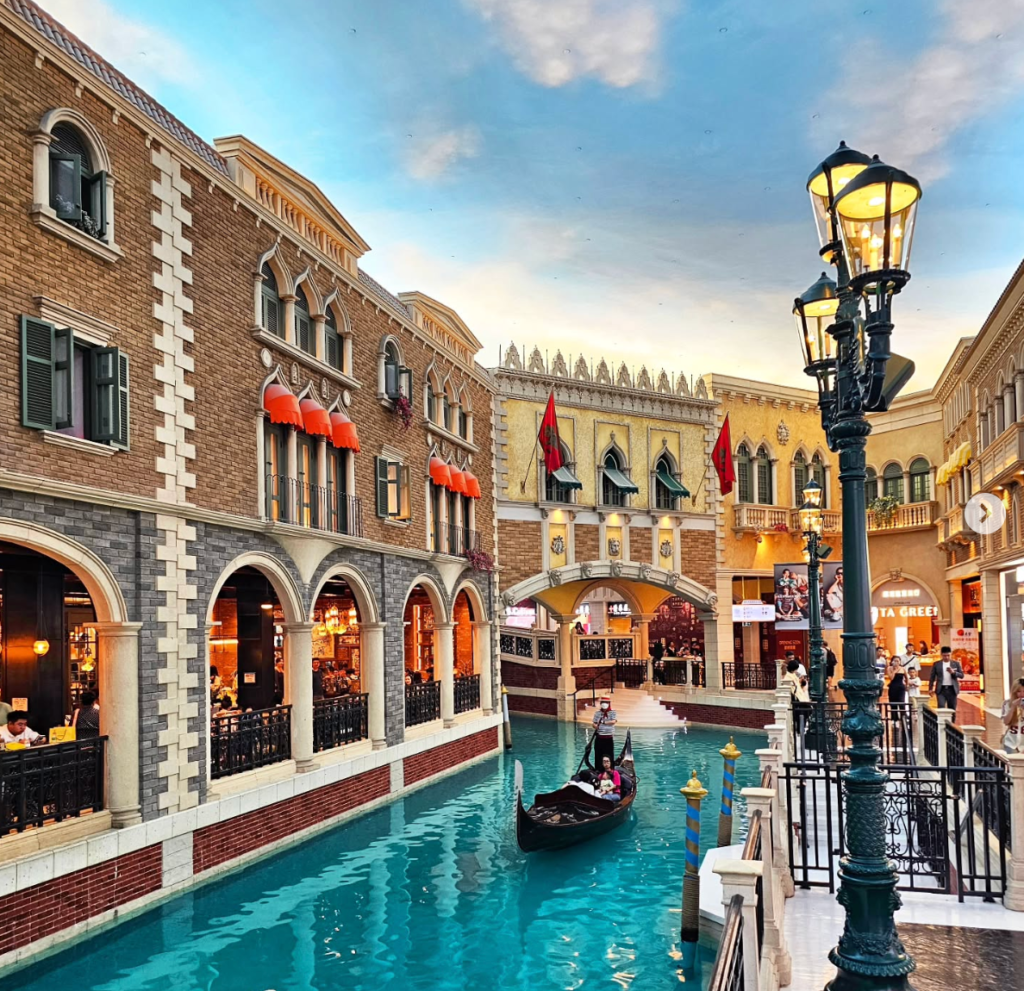
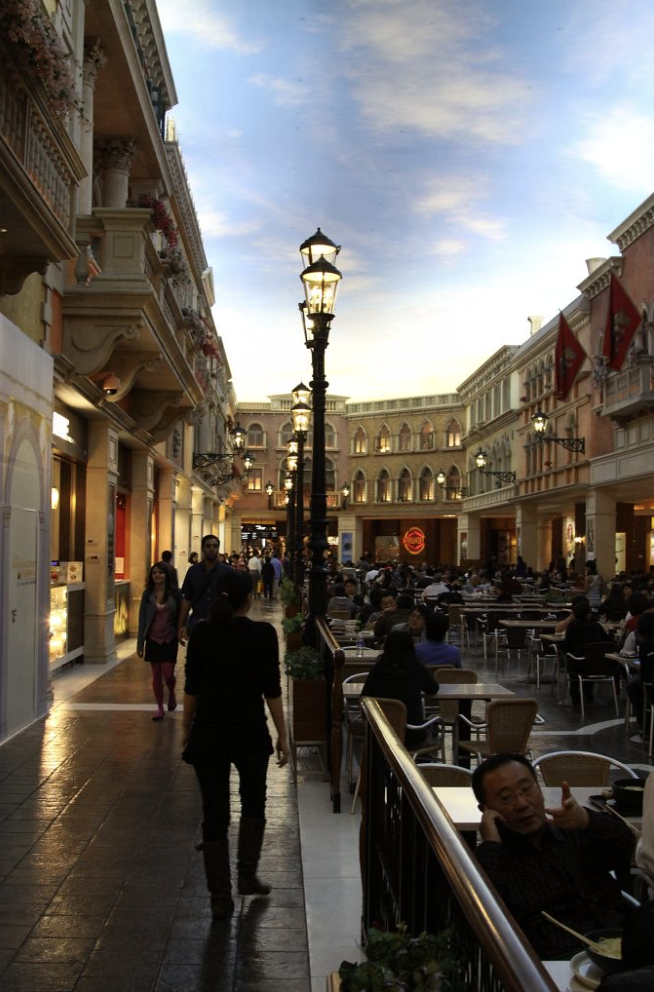
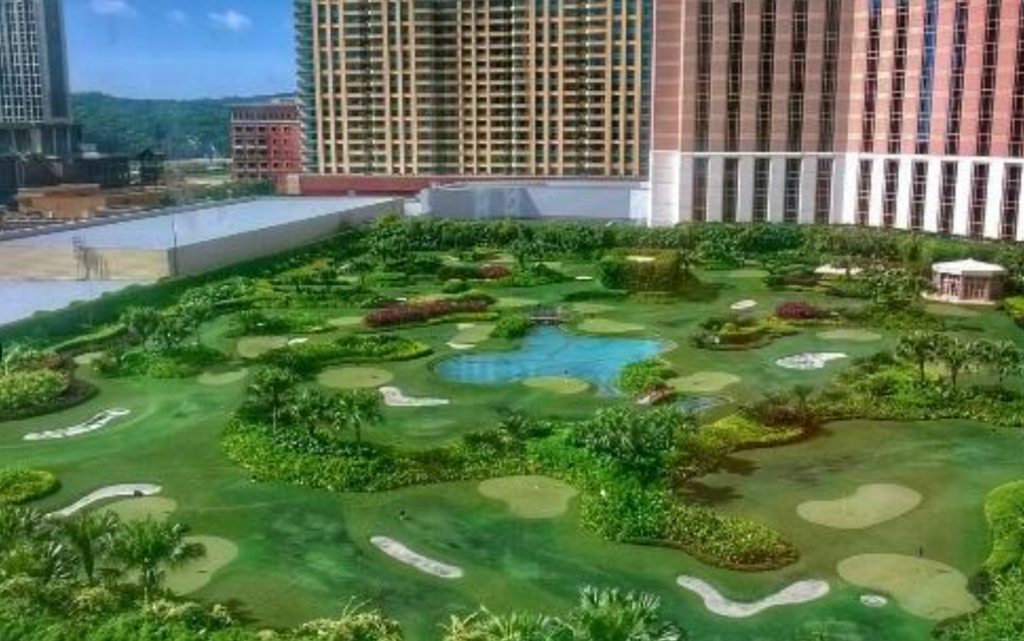
The Venetian Macao is a re-creation of the Venetian Resort Hotel Casino in Las Vegas, although the Macau version is twice the size of its sister property and is the biggest casino resort in the world. It has over 376,000 square feet of tables, slots and electronic games offering the best game selection in town, as well as the largest casino floor in Macau, but the entire world. The 15,000-seat onsite Cotai Arena has hosted A-list performers such as Rihanna, Lady Gaga, Katy Perry and Beyonce as well as major sporting events, such as boxing matches. Its fun fact is that it has an onsite 18-hole pitch’n’putt golf course on the roof.
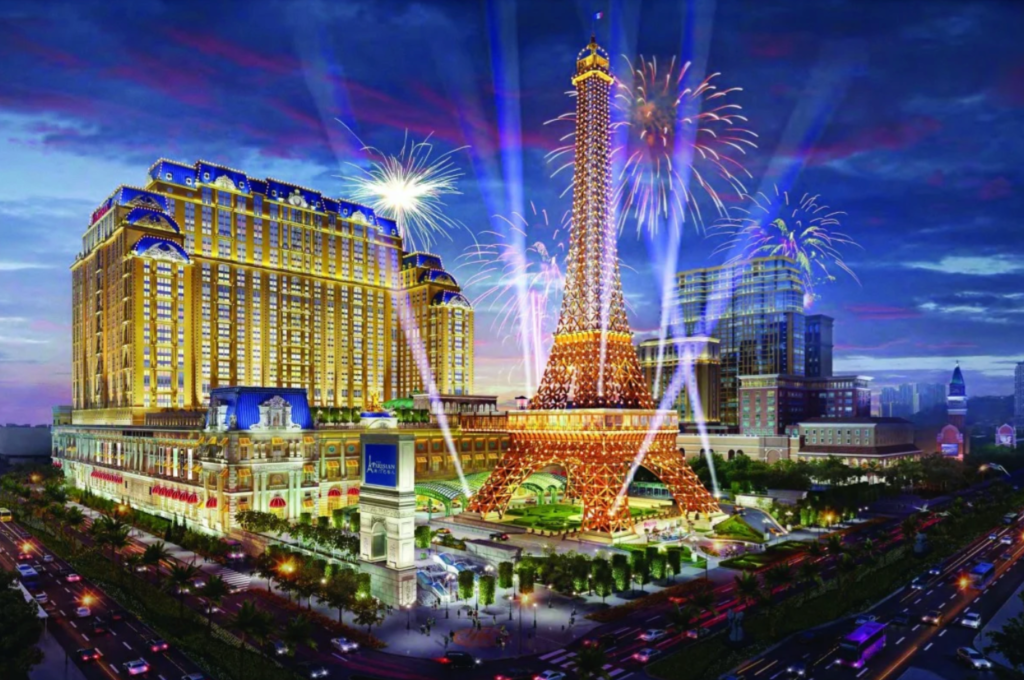
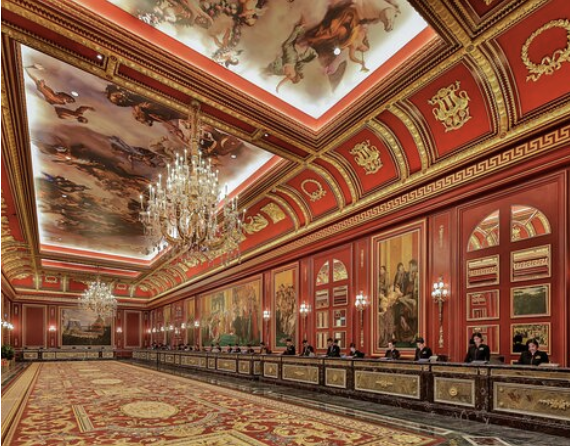
The Parisian Macau opened in September 2016, this Parisian-themed resort is the fourth development on the Cotai Strip by Las Vegas Sands. Inspired by the City of Light, it features a half-scale replica of the Eiffel Tower, complete with observation decks and a lift to take you to the top for a 360-degree view of Cotai. The architecture and décor is all French-themed, from a reception inspired by the Palace of Versailles to crystal chandeliers and Chinoiserie porcelains. Everything from gaming, rooms, cuisine and restaurants, to the mime artists, buskers and street artists offering to paint your portrait, all have a French touch.
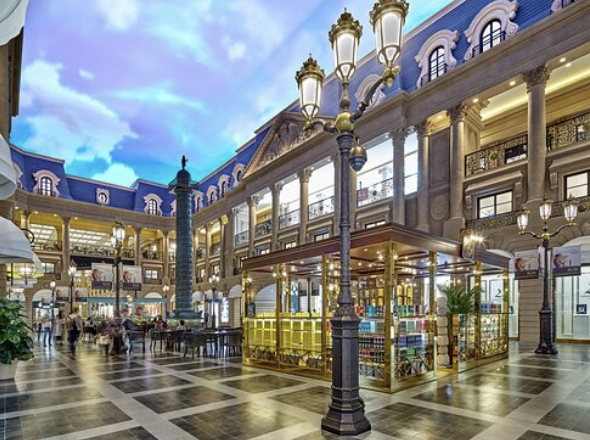
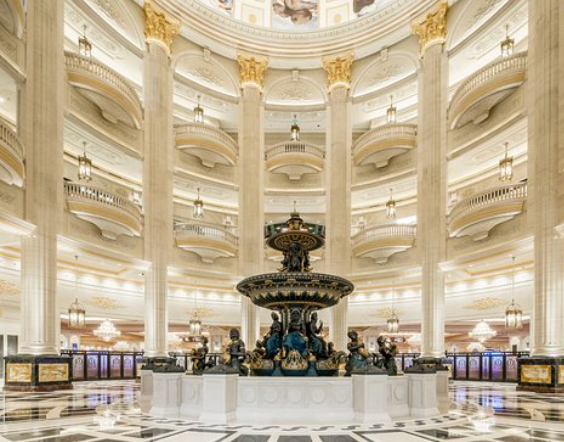
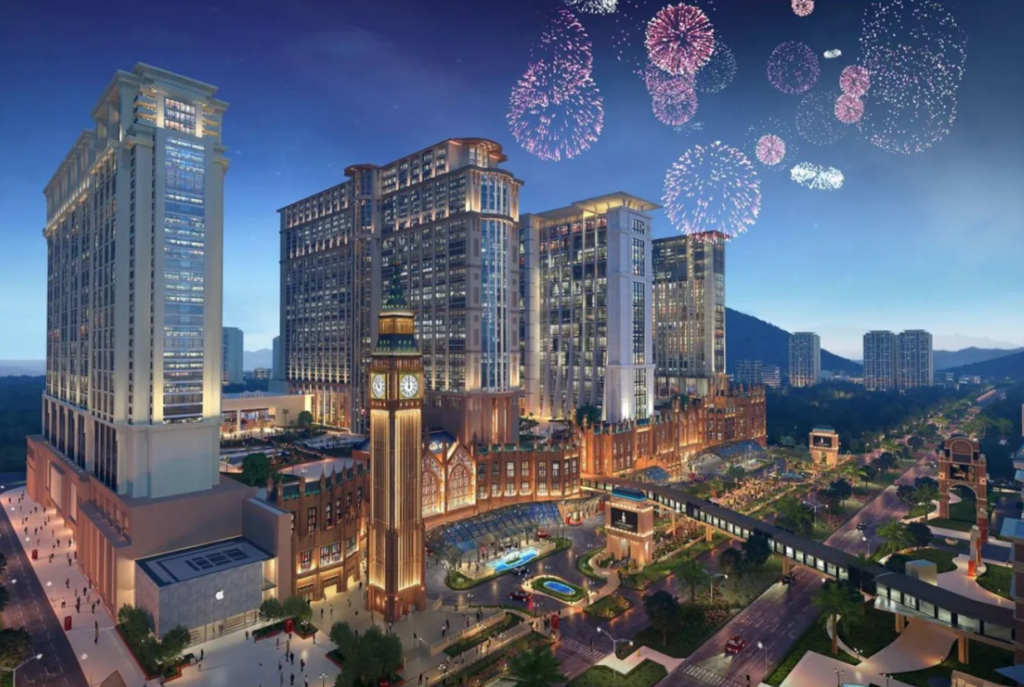
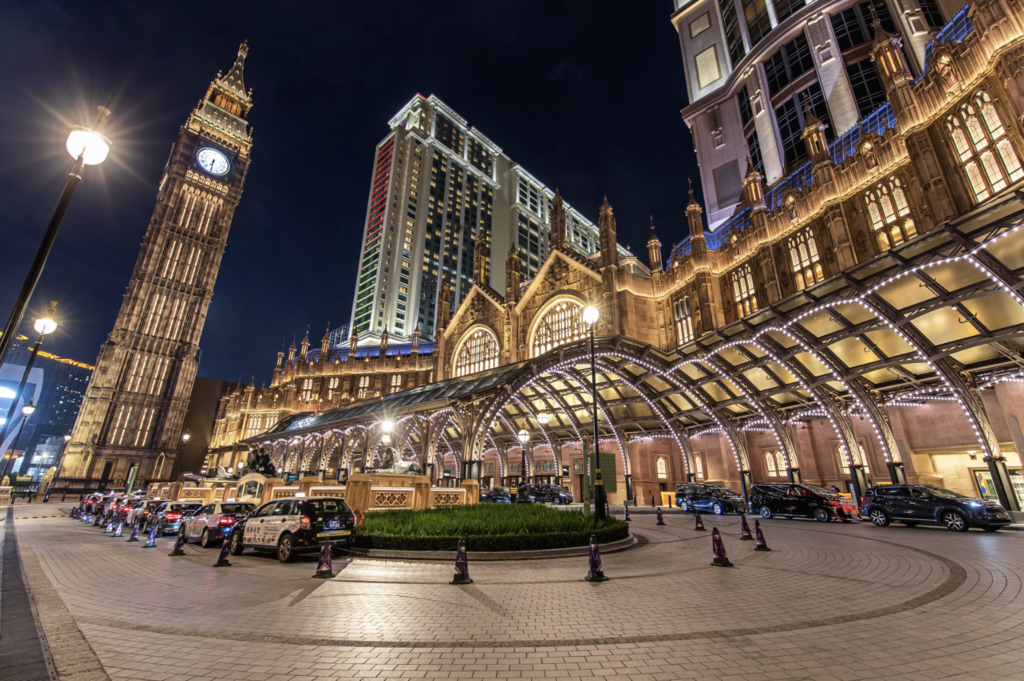
The Londoner Macau is unique for its immersive, full-scale British theme featuring a replica of the Houses of Parliament and a 96 meter high Big Ben Tower, an hourly light show and a Changing of the Guard ceremony.
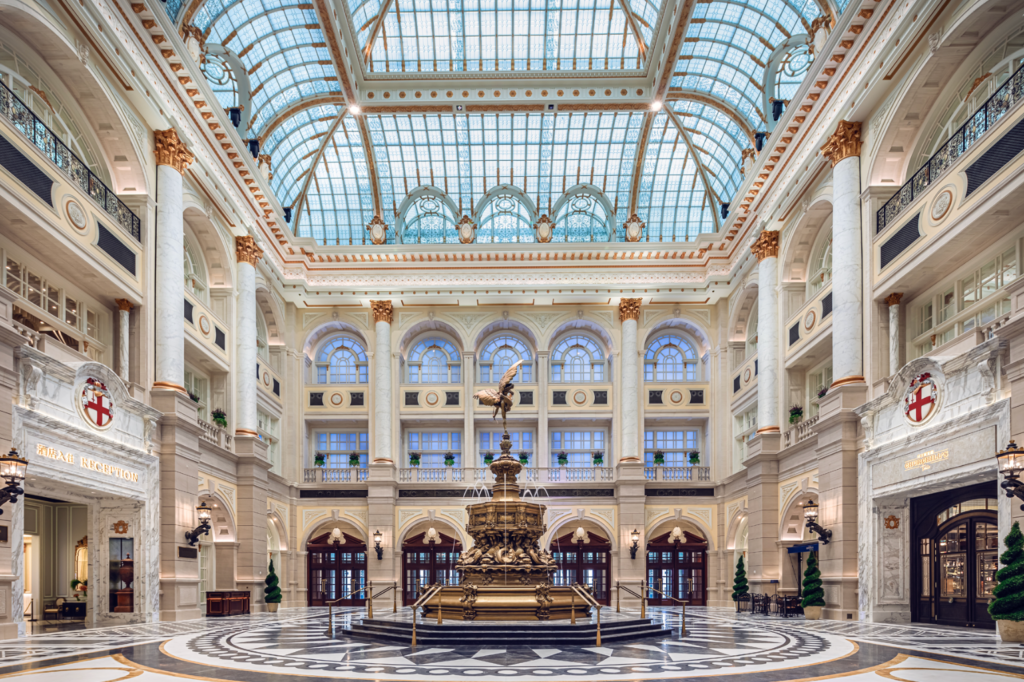
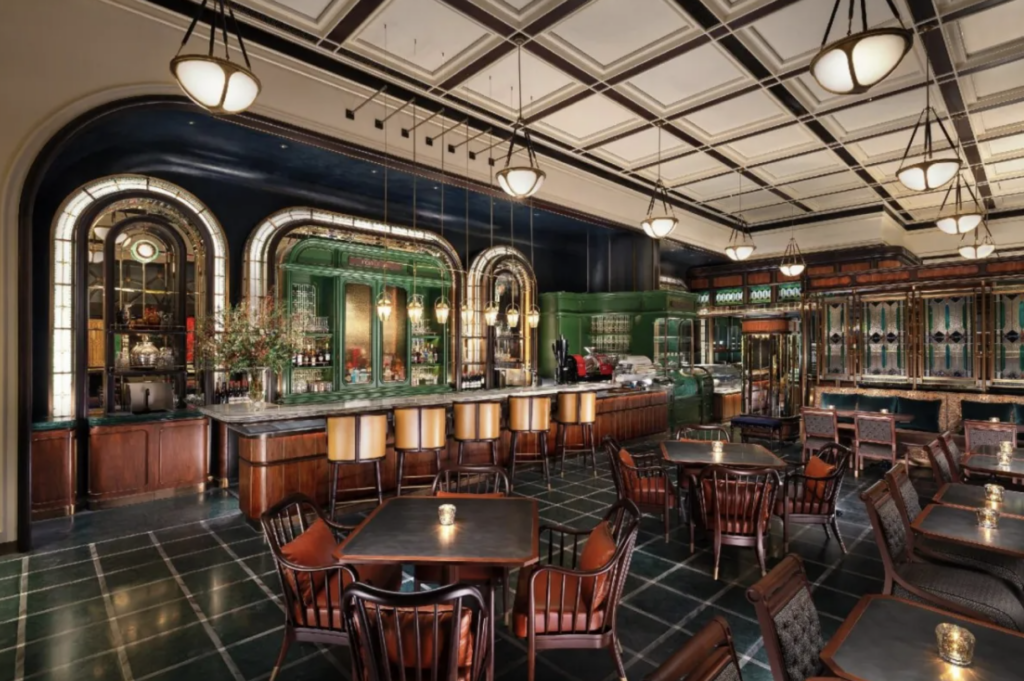
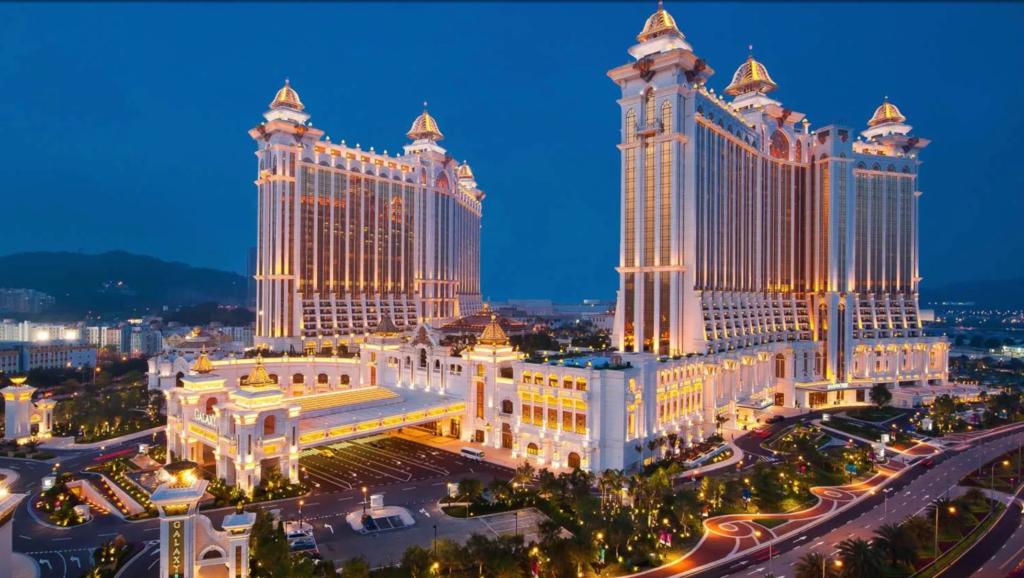
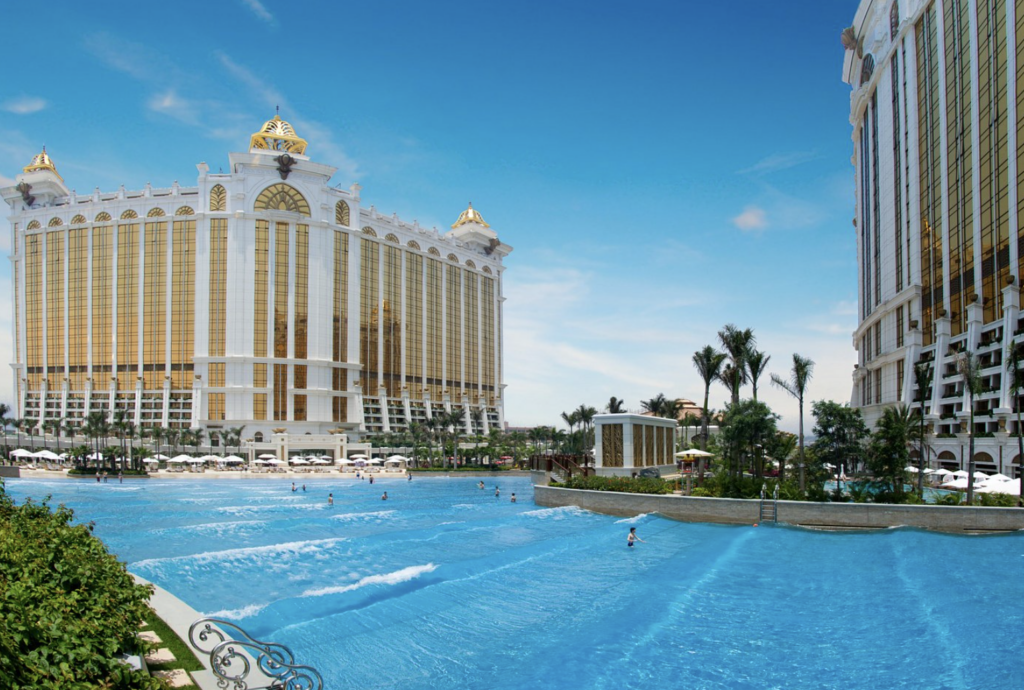
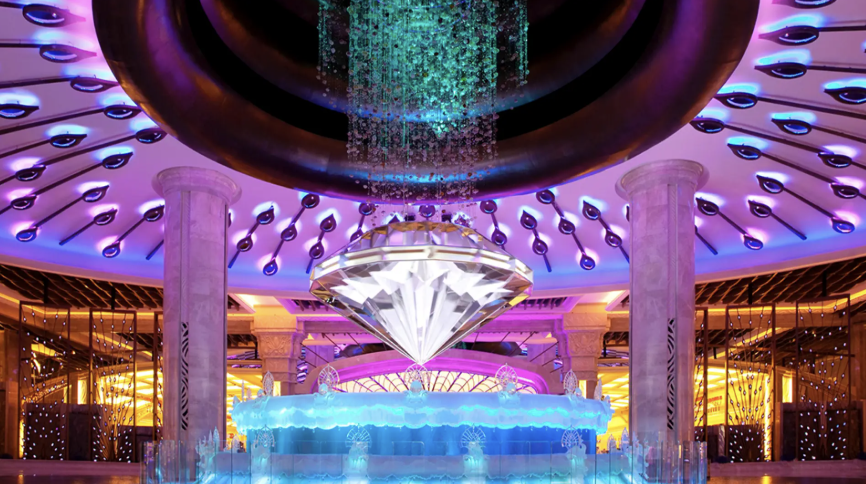
The Galaxy Macau is another massive integrated resort on the Cotai Strip. It is perhaps best known for its 75,000 m2 Grand Resort Deck, which has the world’s longest Skytop Adventure Rapids at 575 meters and the Skytop Wave Pool. It has eight hotels under one roof, including all-suite Ritz-Carlton and JW Marriott. Inside the sprawling complex is its iconic Crystal Lobby, extensive luxury shopping, and the lush “Gilded Jungle” theme of the new Capella at Galaxy Macau.
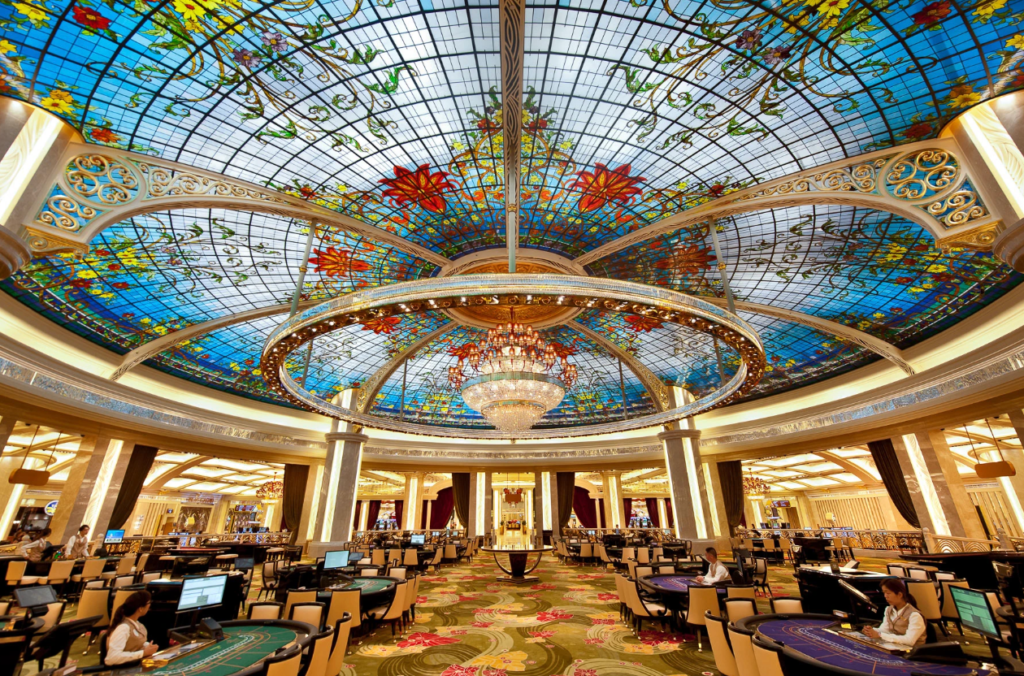
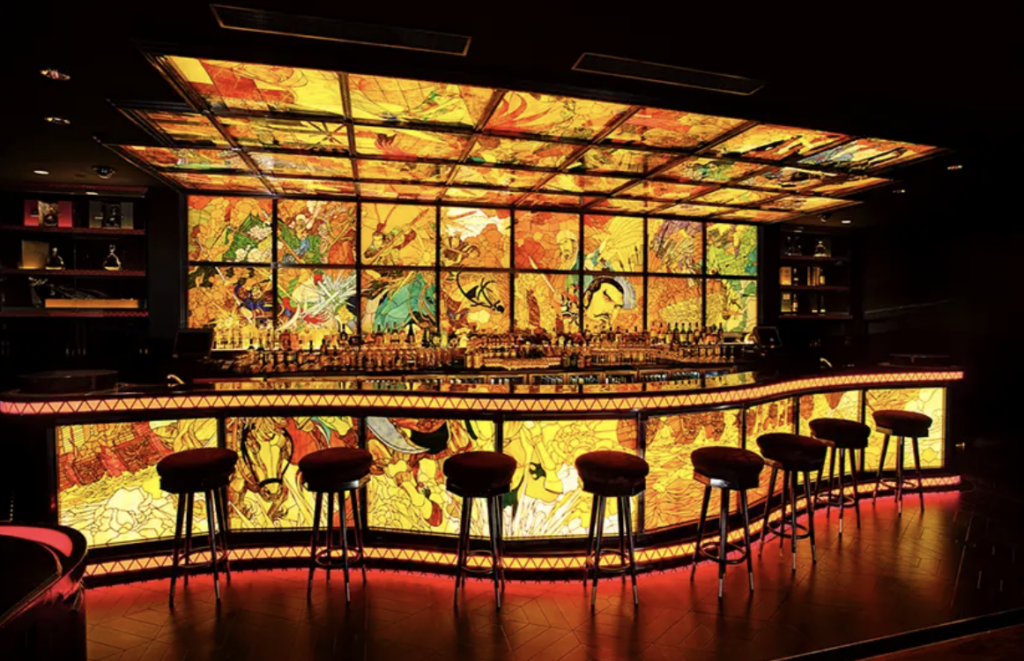
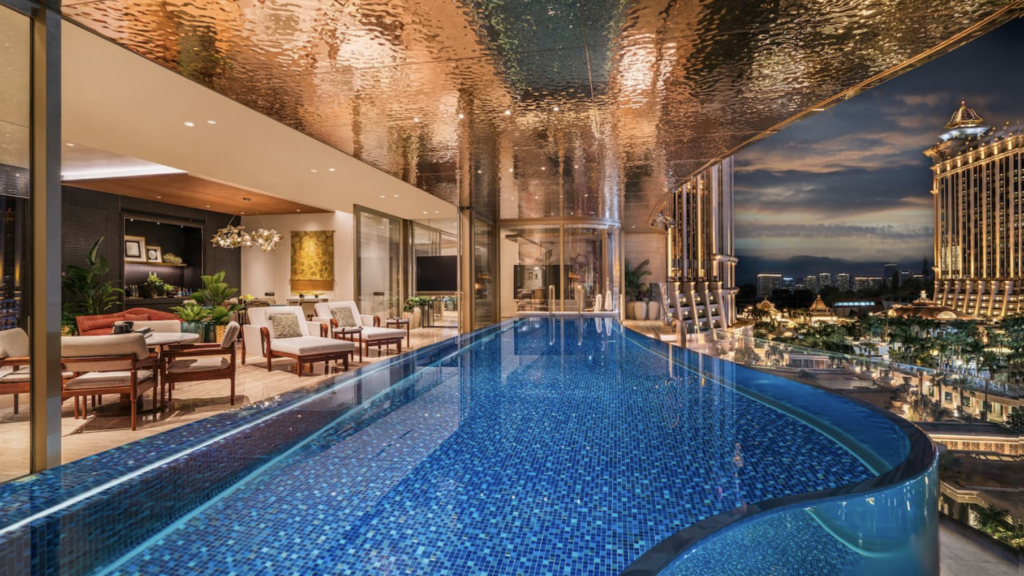
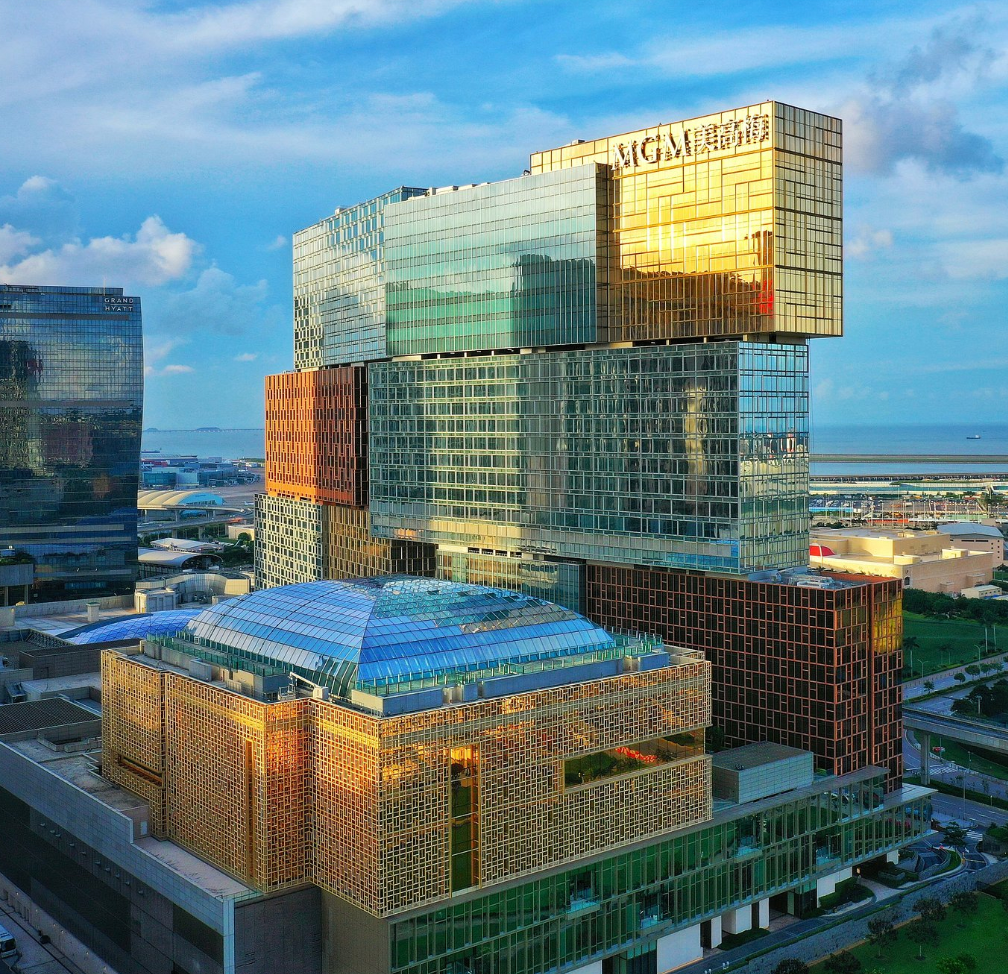
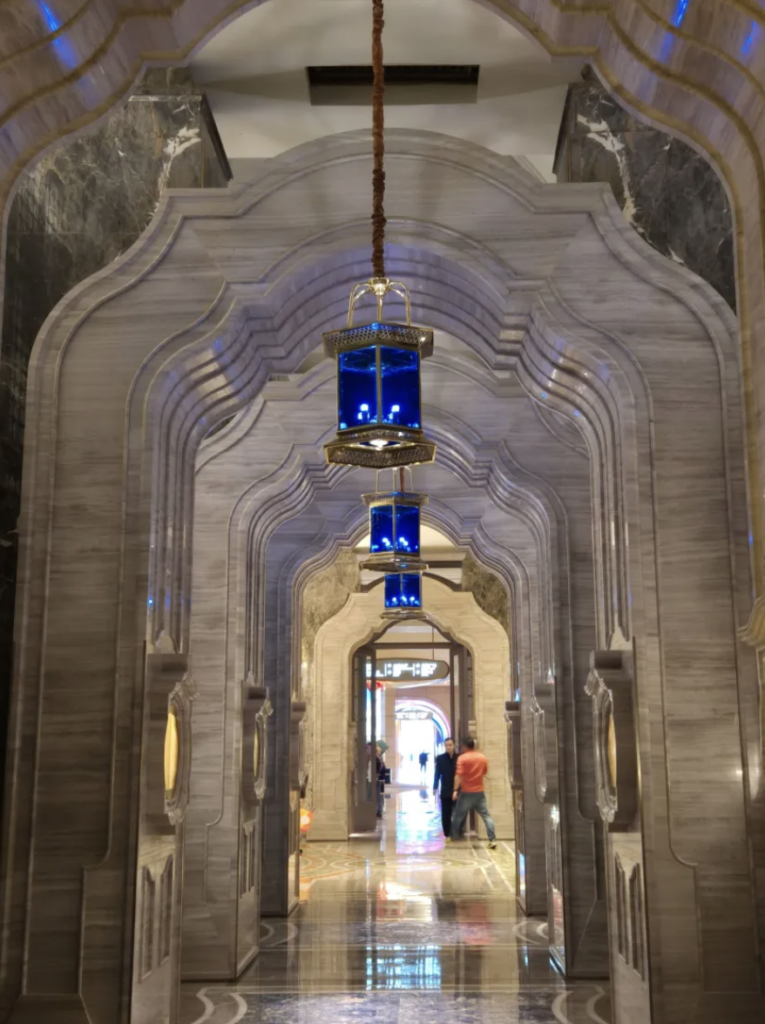
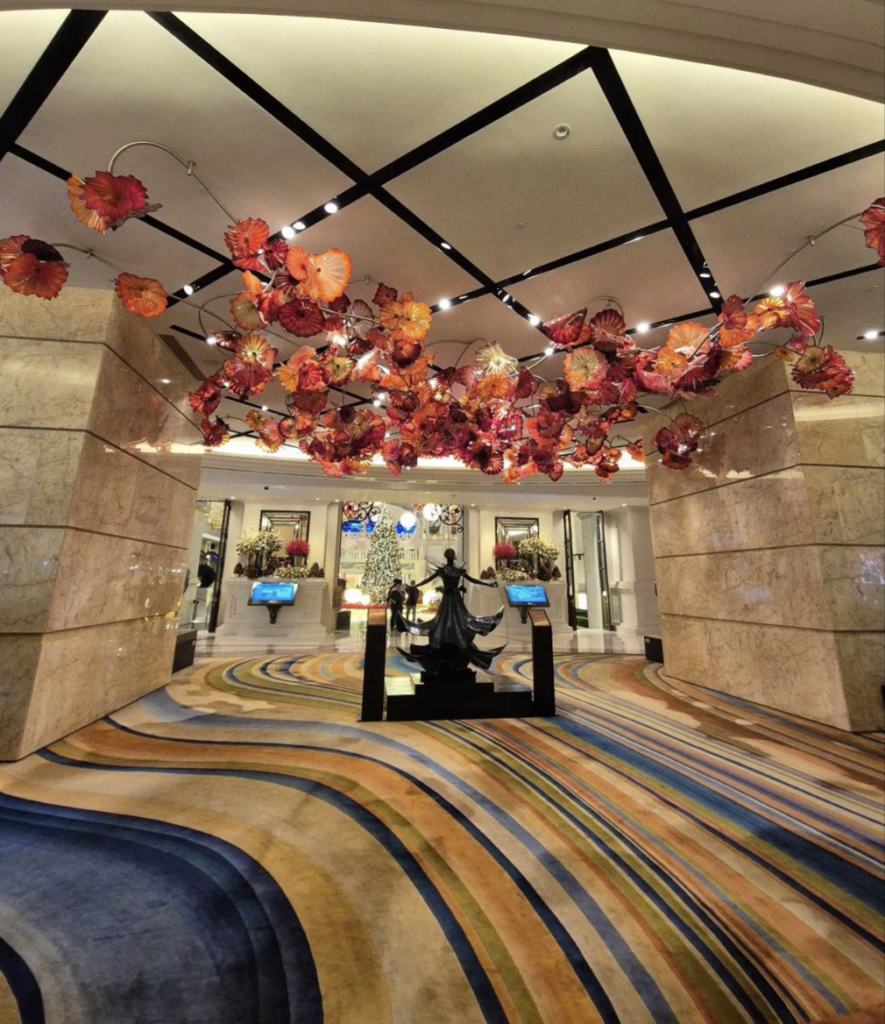
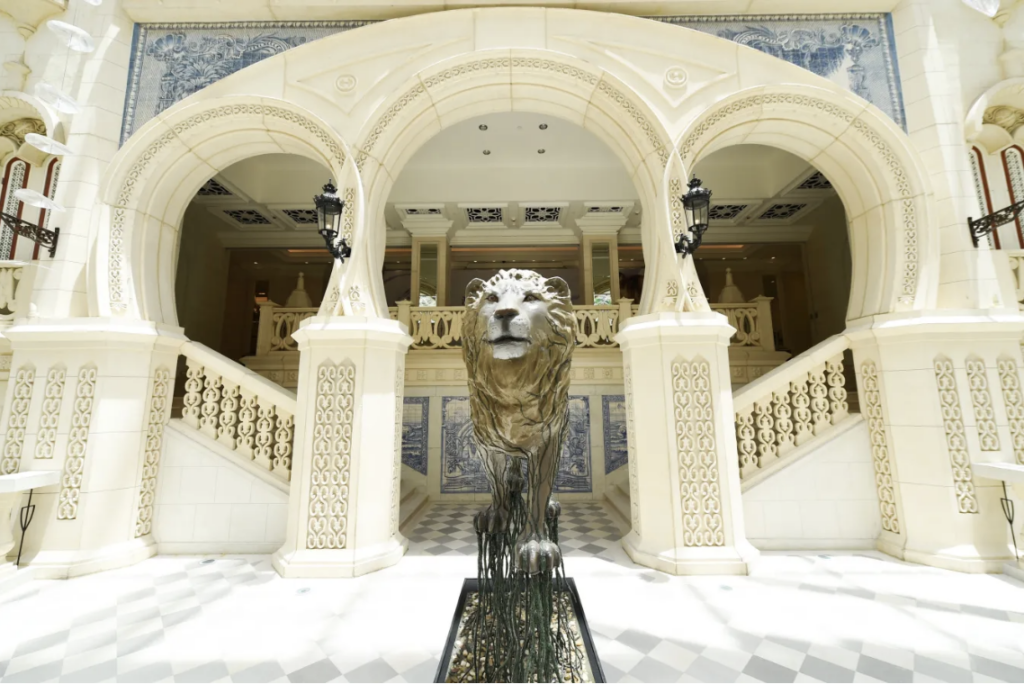
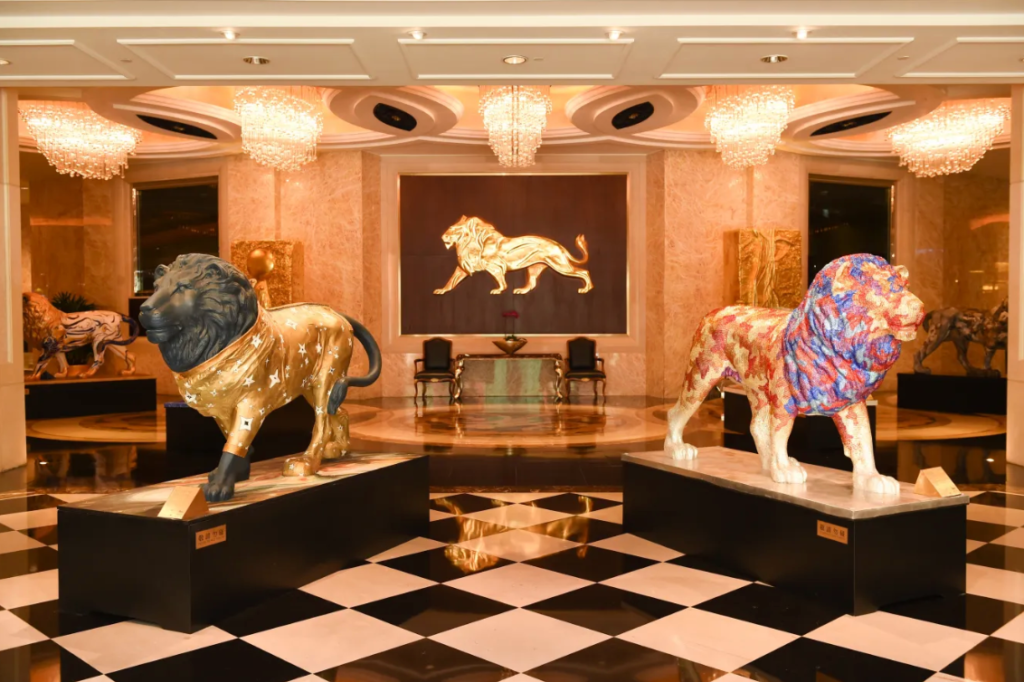
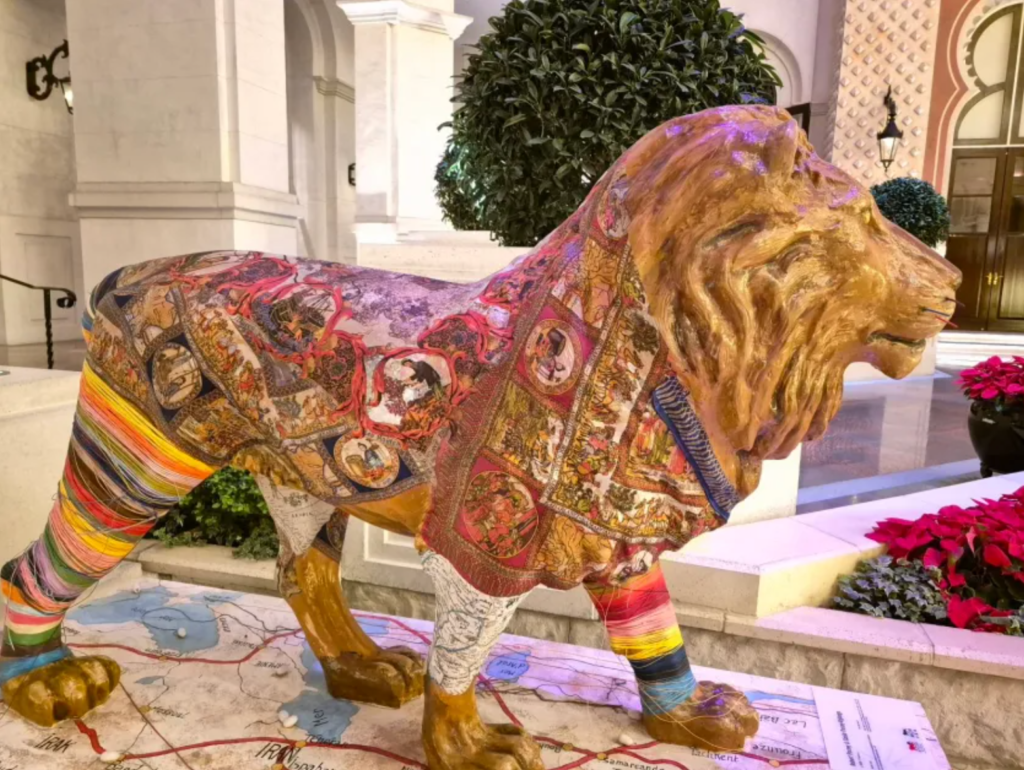
The MGM Cotai is an integrated resort that redefines the way people experience art and entertainment through innovative technology. The art work is stunning. It is the exclusive sponsor of “The Biennial of the Lions”, which features 50 different lion sculptures to celebrate the 50th anniversary of the diplomatic relations between China and France. The resort is also Macau’s most innovative culinary destination with different dining concepts serving authentic local and international cuisines.
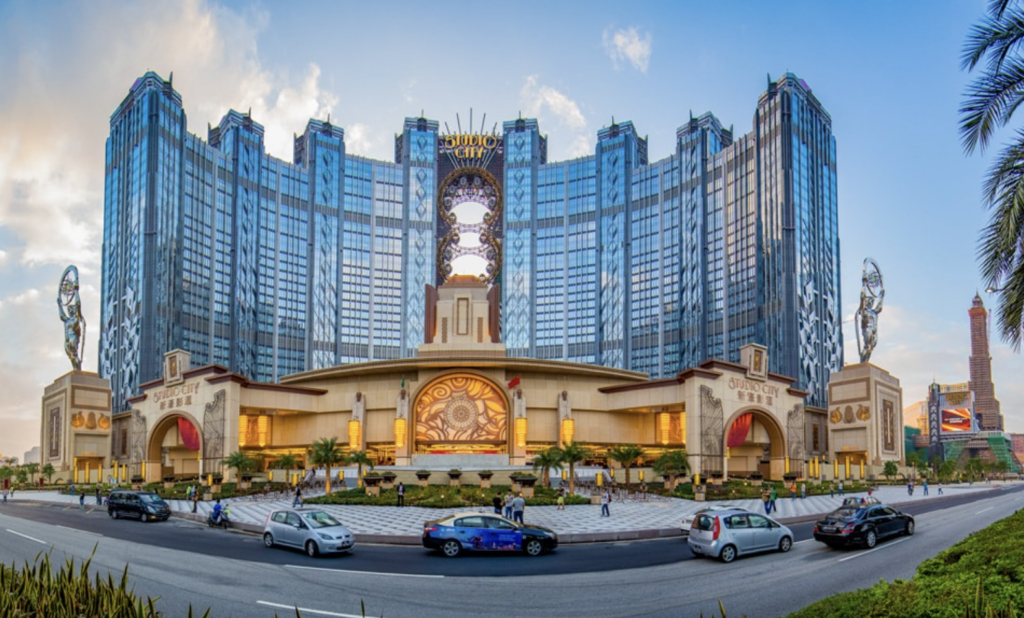
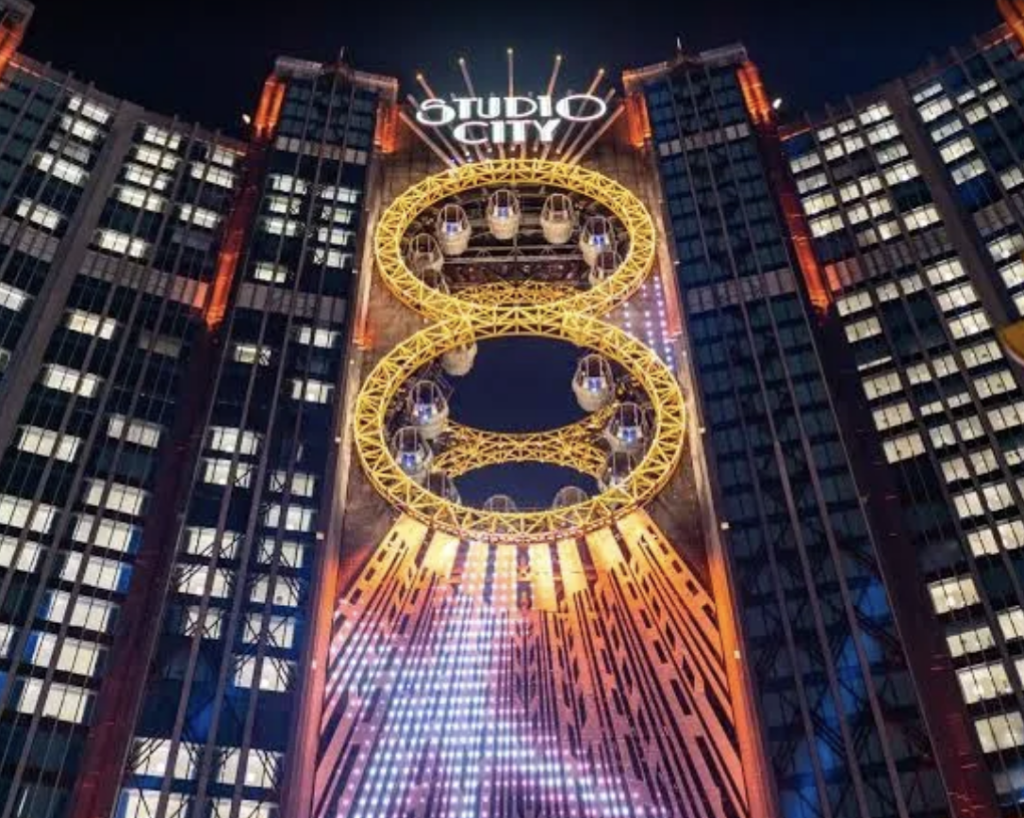
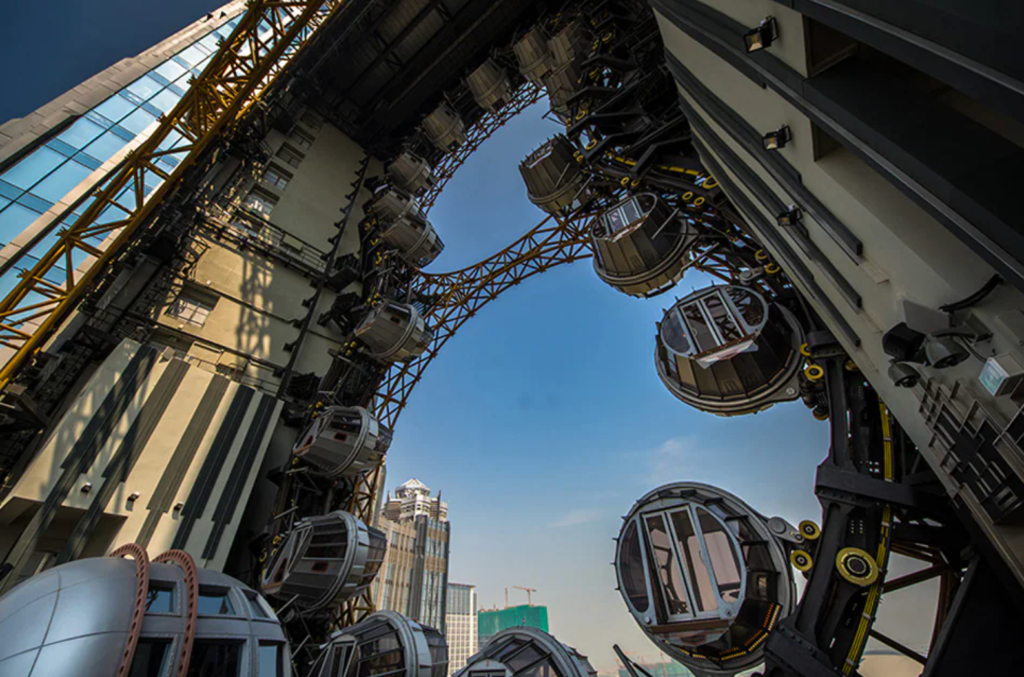
You’ll never run out of things to do at Studio City in Macau. It has a glamorous entertainment resort across gambling options and other entertaining amenities include an elaborate outdoor pool, spa, gym, garden, mall, and the Golden Reel Ferris Wheel. Studio City’s Golden Reel is the world’s first figure 8 Ferris wheel that operates on a whopping 425 feet above the ground.