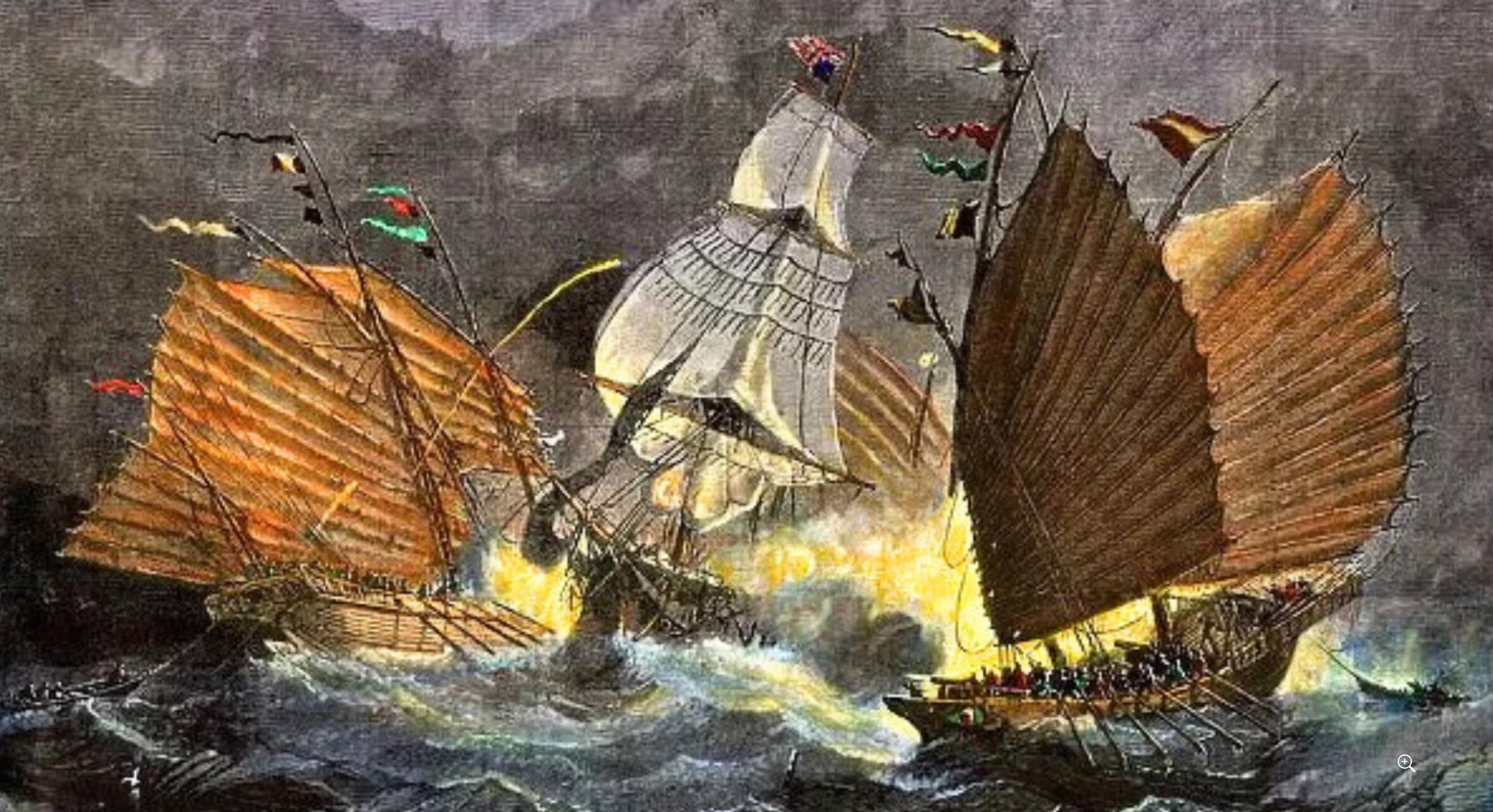
Macau has a rich history as a pirate haven and activity in the area. This is primarily due to its strategic, yet isolated, location in the Pearl River Delta, which was surrounded by numerous, maze-like islands perfect for hiding. Combined with it becoming a wealthy Portuguese trading enclave from roughly 1557, it was a prime target for raiding.
A number of critical elements combined to see Macau and the surrounding Pearl River Delta evolve through time as a highly active region for piracy. These elements can be summarised as follows:
Geographical advantages: Operating out of or around Macau had the advantage of the surrounding islands of Taipa, Coloane, and the wider delta which offered pirates excellent shelter from authorities.
Wealth & trade: As a major Portuguese trading hub and, later, a conduit for shipping, Macau was rich in cargo (silver, silk, tea) that was highly profitable to plunder.
Weakness of regional authority: The decline of local Chinese (Qing dynasty) maritime power allowed powerful pirate syndicates like the Red Flag Fleet to dominate, demanding protection money from local residents and harassing foreign ships.
Social & economic factors: Poverty for locals and the highly controlled maritime trade in the region drove many into piracy and smuggling as a livelihood.
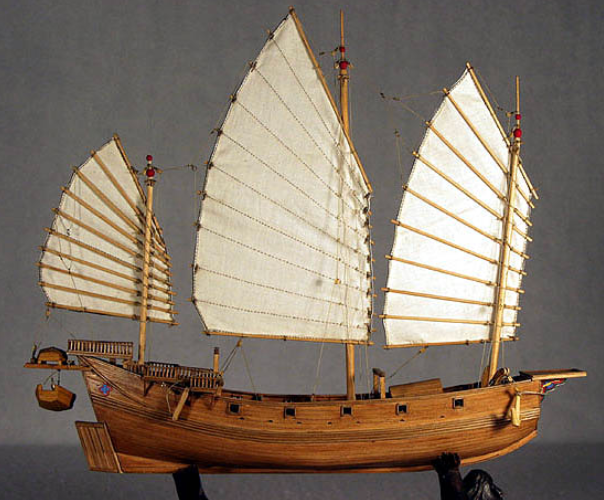
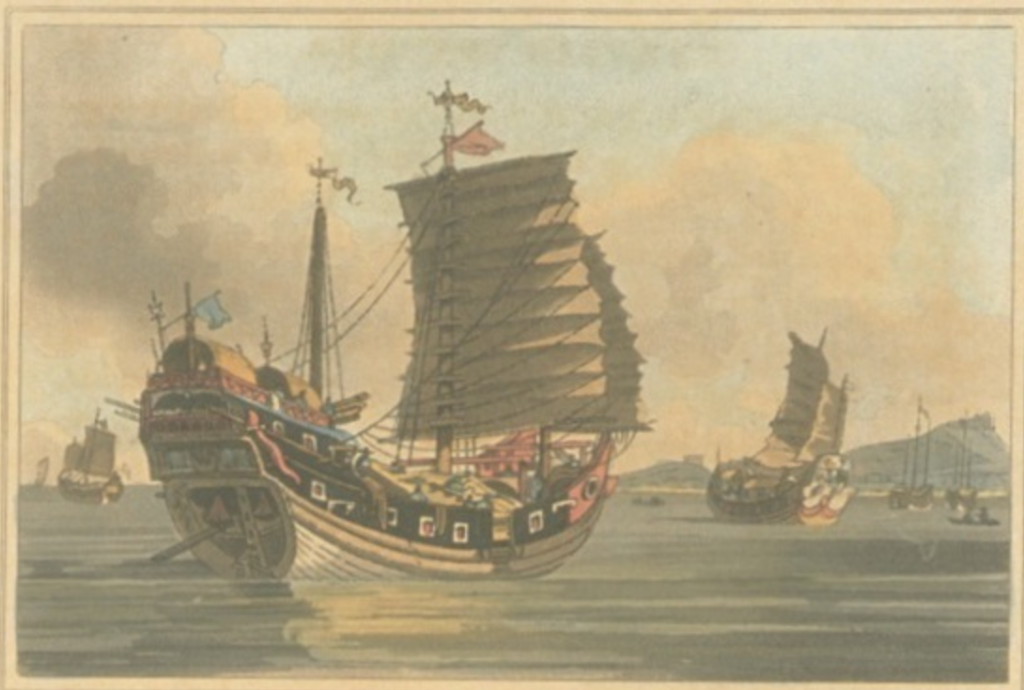
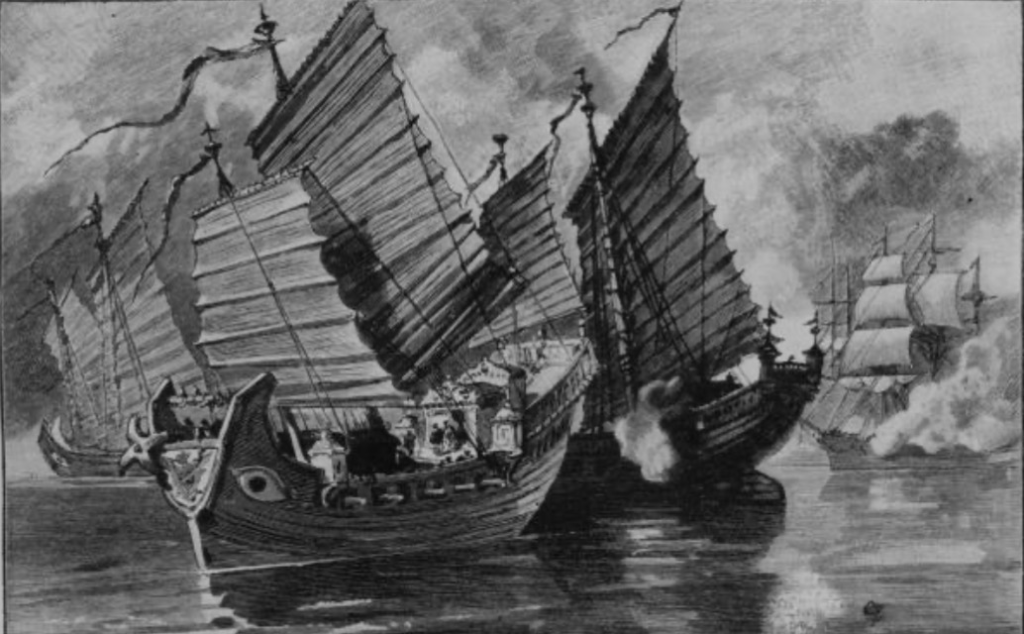
The most common vessel for pirates on the South China Sea during the 18th and 19th centuries was known as the ‘junk’, an umbrella term that includes ships typically ranging from 200 to 1,000 tons in weight, with crew complement varying from 100 to 250 men. Weapons used included bronze and iron cannons mounted on larger vessels, Dao (Chinese sabres) and spears for boarding combat, fire arrows and incendiary bombs, pistols and matchlock muskets, often captured from foreign ships.
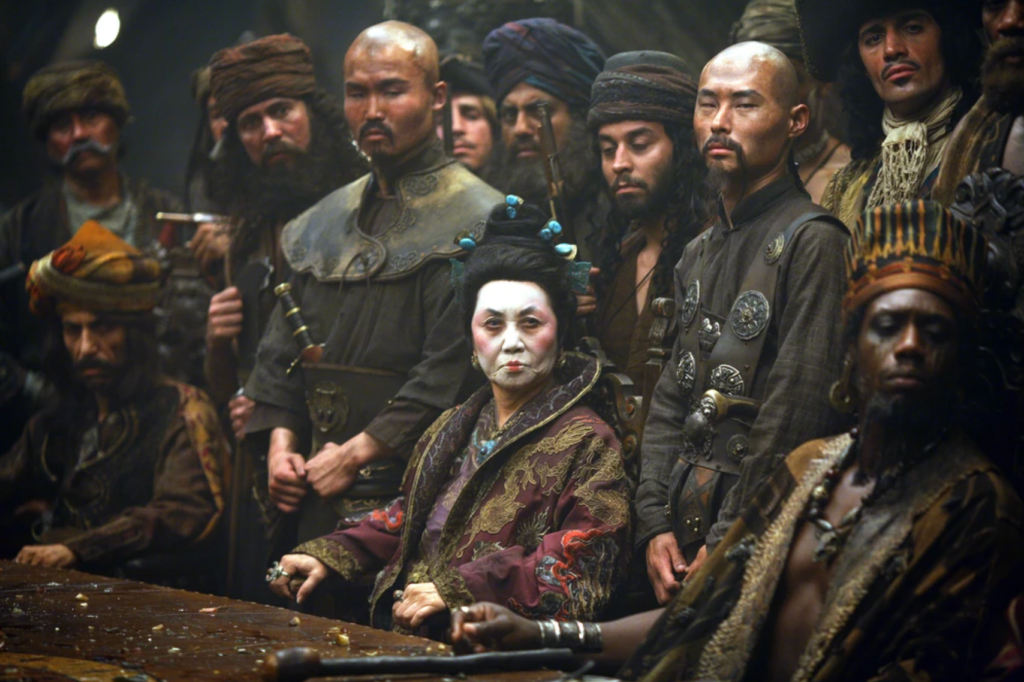
There are distinct piracy phases through Macau’s history and as you can imagine some colourful and fascinating characters within its folklore. Piracy in the South China Sea lasted longer than it did in the Caribbean and Americas and stretched between the 16th and 19th centuries. Hence, it was no surprise to see the significance of the tales and history of piracy in this region was showcased world-wide in Pirates of the Caribbean: At World’s End (2007). The movie features pirates based on figures operating around Macau and the Pearl River Delta (and the wider South China Sea) in the early 19th century. Especially the character of Mistress Ching (front, centre below), one of the nine Pirate Lords in the Brethren Court, which was inspired by the real-life historical figure Ching Shih, also known as Zheng Yi Sao.
Early origins (16th–18th century)
It’s believed the Macau peninsula was populated by Chinese people for about 4,000 years and Chinese commerce ships would frequently stop there to refill their water and food supplies. People from Chinese provinces of Fujian and Guangdong arrived with permanent settlement intentions in Macau late 13th century. By the time the Portuguese made an agreement to set up a trading post in the mid 1550s they were effectively foreigners who assumed control of an area long being the land of Chinese locals.
While Portuguese settlement in the 1550s was partly to help suppress piracy, the lines were blurred as local Chinese authorities considered the Portuguese themselves to be pirates. However the Portuguese had goods to trade which were desired and not otherwise available. Importantly, as well the Portuguese had won the right of thanks from Chinese authorities through their actions to help get rid of ferocious pirates attacking the Pearl River Delta, the China Sea, and neighbouring coastal cities. This underpinned the Ming Dynasty, in 1557, granting Portugal permission to establish a permanent trading settlement in Macau.
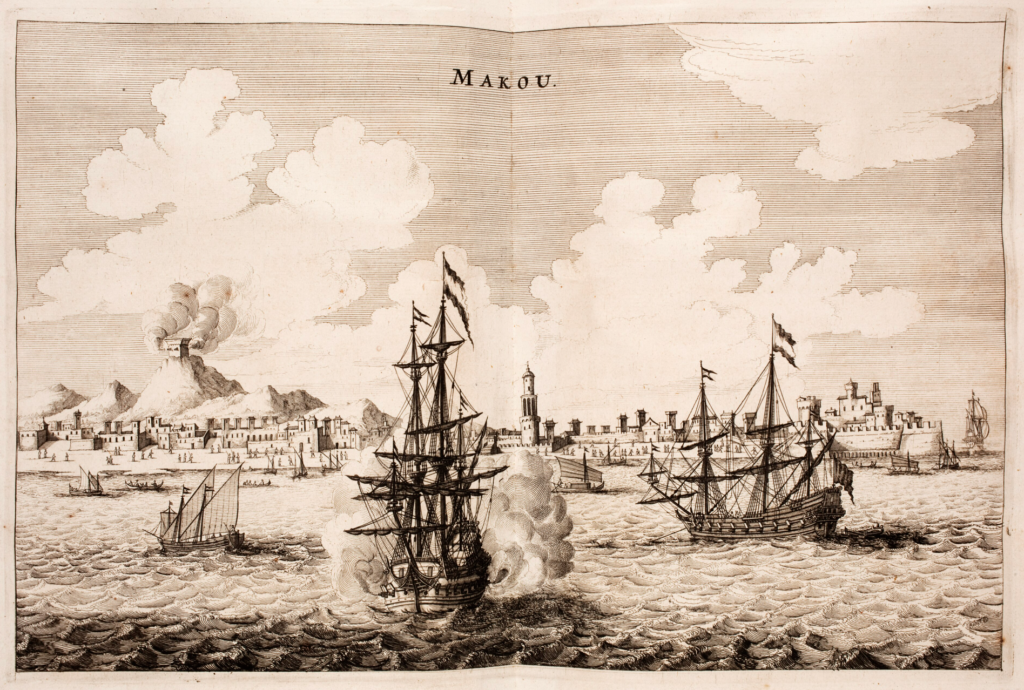
The most significant battle during this early period was in 1622, when the Dutch East India Company attempted to capture Macau from the Portuguese. Globally, the Portuguese and Spanish were sworn enemies of the Netherlands. Macau was seen as a prized trading location to control. A force of 800 Dutch soldiers landed at Cacilhas, on the eastern edge of the Macau peninsula.
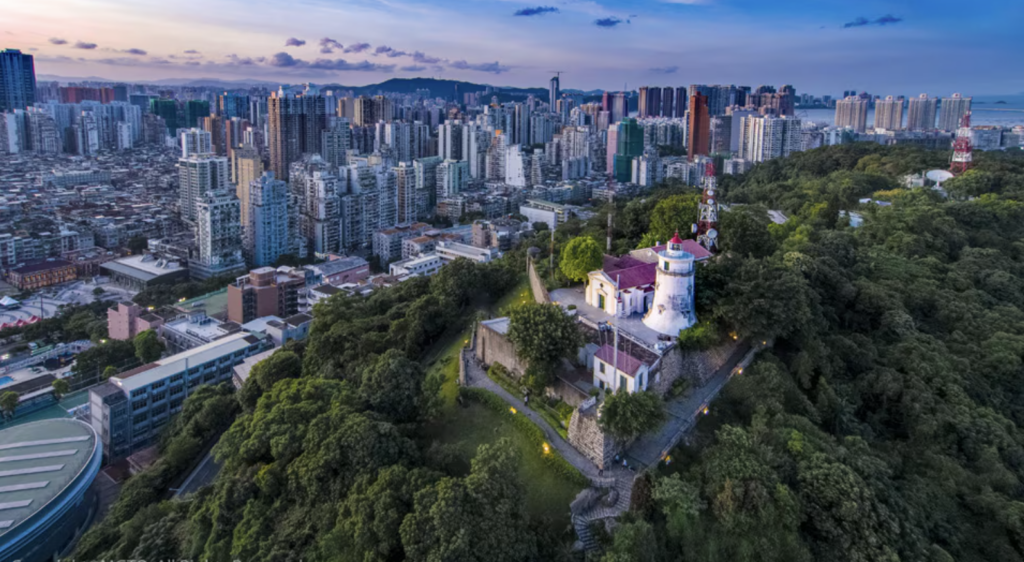
The defenders numbered only about 150 Portuguese and Macanese along with African slaves and Jesuit missionaries. Despite being heavily outnumbered, they successfully repelled the invasion. Portuguese cannons and defensive positions within the many fortified areas which had been built, combined with determined resistance, inflicted heavy casualties on the Dutch attackers. The Dutch commander was wounded and evacuated. This victory secured Macau’s independence and led to the construction of even stronger fortifications including the Guia Fortress.
The Golden Age of Piracy (early 1800s)
The height of piracy in the Asia region was generally considered to be between 1780 and 1810, especially around the Pearl River Delta area. This is when the most famous Chinese pirates rose to prominence.
The South China Sea in the 18th and 19th centuries was, as it is today, perhaps the most frenetic trade corridor in the world. It was the maritime crossroads that linked the Chinese mainland with Vietnam, the Philippines, the Malay peninsula and the East Indies. It was also the means through which Indian, Persian, Arab and European traders accessed the vast East and Southeast Asian market. This ever-growing volume of maritime trade arose at the same time as, and perhaps somewhat contributed to, rising levels of poverty that came as a result of widening wealth inequality and overpopulation in a region that had relatively little arable land. It is no surprise then that towards the end of the 1700s, the South China Sea became infested with large fleets of pirates forced to look for a new means to make a living.
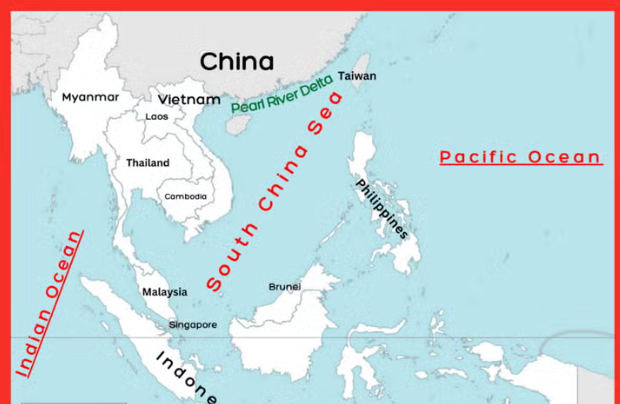
With the rapid rise in piracy and pirate numbers in the Pearl River Delta area, as well as the wider South China Sea, in the 1790s – 1800s, there was increasing chaos. However there were also instances of collaboration, such as the Vietnamese “Tây Son” pirates commissioning over 100 Chinese pirate junks to bolster their strength against the Vietnamese government in the 1790s. By early 1800s, however, the Tây Son had lost significant power to the government and were being forced out of Vietnamese waters. The previously united pirate groups now found themselves competing against one another for resources. With increasing chaos around the Pearl River Delta, exacerbated by the Tây Son being forced to operate in waters North of Vietnam, suddenly it seemed the pirate scourge might consume itself.
Then unexpectedly, out of chaos came organised piracy on a whole new level!
In 1805, seven of the most formidable pirate leaders across the South China Sea came together and signed a contract… an accord. In broad terms, the agreement regularised internal procedures, prescribed its members’ conduct at sea and outlined the procedures for conducting business with outsiders. A formal registry of ships was created and each vessel was permanently assigned to a specific fleet. Members were prohibited from fighting or undercutting one another and agreements such as contracts for ‘protection fees’ were to be honoured by all. Harsh punishments could be expected for those who breached the terms.
Each leader commanded a single fleet, often identified as the Red, Black, Blue, White, Green and Yellow Flag Fleets. The smallest of these was comprised of 70 junks, the largest numbering as many as 200 junks. Each fleet was divided into squadrons of 10-35 vessels, which appear to have been the primary operational units. The chain of command within each fleet was fully formalised, a reflection of the growing professionalisation of the pirates as a whole.
Not what you would expect for a disparate group of pirates!
The most powerful of all the original signatories and seemingly the principal driver behind the creation of the contract was Zheng Yi, a man of both considerable prowess and significant pedigree. His family had been pirates for almost 200 years, including his father and brother. Under his command was the Red Flag Fleet. Consisting of around 200 junks, with 20,000 men at that time, this was the most powerful armada of the confederation.
Zheng Yi (1765 – 1807) was born in Guangdong and this is where he learned his trade before moving beyond to the South China Sea, including being a part of the Tây Son until 1801. Then he left and became a leader of his own fleet back in the Pearl River Delta. He inspired loyalty thanks to unifying and innovative leadership. By 1802, Zheng Yi was the dominant force in the Pearl River Delta. He grew to be influential which underpinned his leadership in the formation of the pirate confederation in 1805.
His greatest gift was that he knew how to spot talent—specifically, the pirating kind. Zheng Yi’s biggest contribution to the success of the pirate business in the entire Guangdong province was recognizing a poor fisherman’s boy and an ordinary female sex worker for the pirate superstars they would become. They would become his adopted son and wife, and pirating thrived in the South China Sea as a result.
Zheng Yi Sao or Madame Ching (1775–1844) was born Ching Shih in Guangdong. She was born into a life of “Tanka” people (Chinese for “boat people” or “sea gypsies” to the British) who lived on boats and depended on fishing for their livelihood. As a young woman she was working at a floating brothel. She was known to be a particularly savvy businesswoman and Zheng Yi sought her out specifically. The two were wed in 1801 and, aged 26 years, she became known as Zheng Yi Sao (“wife of Zheng Yi”).
Zheng Yi Sao is one of the most famous Chinese pirates and is regarded as one of the most successful pirates of all time. She was responsible for sparking the renaissance of Chinese pirating through this era.
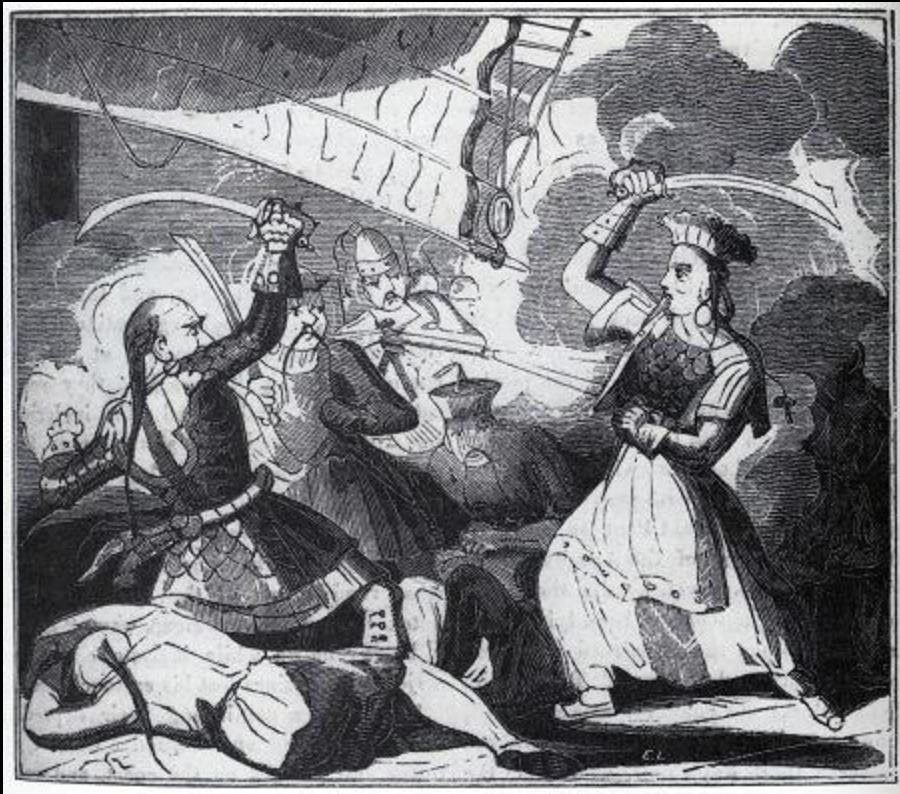
British merchant in Canton:
“No man dares sail without her permission. She is the storm.”
Around 1799, Zheng Yi kidnapped Cheung Po Tsai, a 15-year-old son of a fisherman and forced him into piracy. Cheung Po’s talent helped him adapt well to his new and unplanned career, as he rose swiftly through the ranks. Zheng Yi then appointed Cheung Po as a captain of one of his Red Flag ships. Cheung Po eventually became both Zheng Yi’s adopted son.
Soon after the pirate confederation formed in 1805, its power grew to the point where virtually all vessels in the Guangdong region did not dare to set sail without first paying ‘protection fees’. Zheng Yi and the Red Flag Fleet seized Lantao (Lantau) Island, located at the mouth of the Pearl River Delta and just across the water from what would eventually become Hong Kong. Lantau would be the primary bases of operations of the Red Flag Fleet.
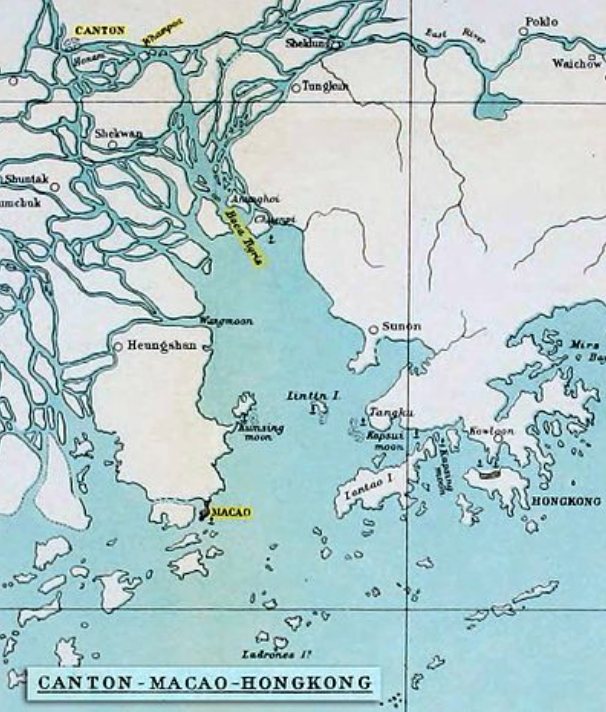
As a result, merchant ships entering the Pearl River Delta on their way to Canton would have to pass within viewing distance of the largest pirate base in Asia. Indeed, the pirates developed a system of passes, which could be purchased at offices in most ports along the coast. This was enforced rigidly and harsh punishment would be dispensed for non compliance to ensure all trade vessels knew it was serious.
The pirate profits would also come from stealing gold, silver and cargo from commerce vessels on the South China Sea, as well as sometimes ransoming both vessels and captives. Eventually, the pirates even began extending their influence beyond the sea. Coastal villages were regularly attacked and forced to pay protection fees just like the merchants. The rivers that were water highways soon became a convenient means of sailing inland and terrorising villages and towns that thought themselves safe from the sea.
The pirates needed to constantly reinforce their reputation for terror otherwise the system breaks down. Any vessel that resisted was dealt with harshly, with the men often killed and the women handed over to the pirate crews. One story was of the Red Flag pirates retaliating against a village that refused to pay by massacring some 2,000 residents and capturing large numbers of women and children. The crews of government ships were typically butchered outright, even if they had surrendered without a fight. Sometimes they were tortured before being put to death or tied to weights and thrown overboard.
By 1807, the confederation was positively awash with cash. It was not uncommon for pirate flagships to carry sums of 50,000-100,000 Spanish dollars (1,417-2,834 kgs of silver) in hard cash. Given their success, the Red Flag Fleet contained more than 300 junks and around 40,000 men.
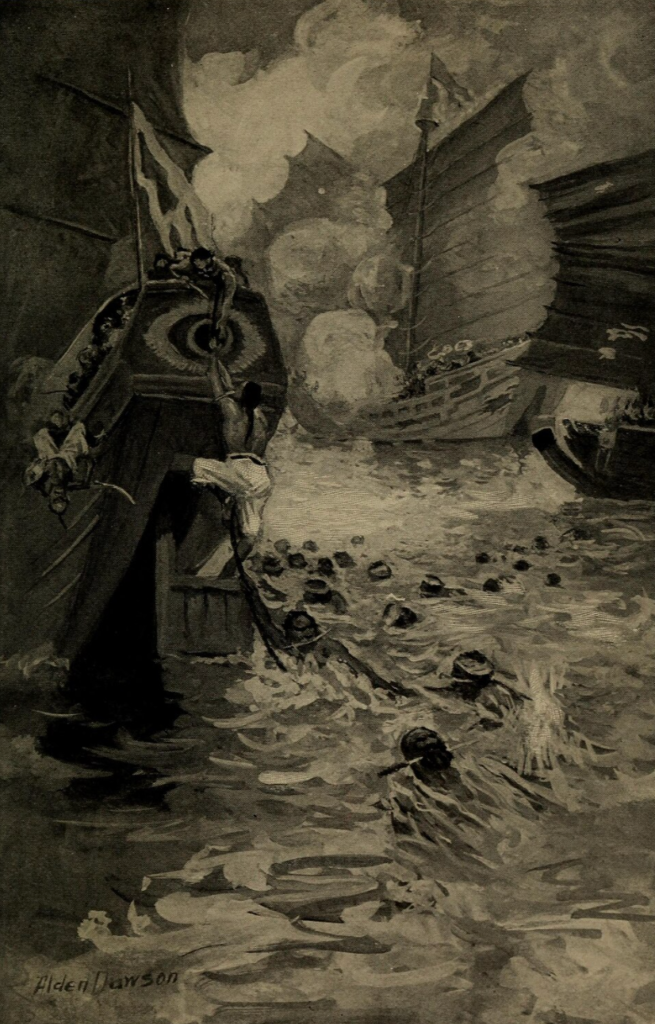
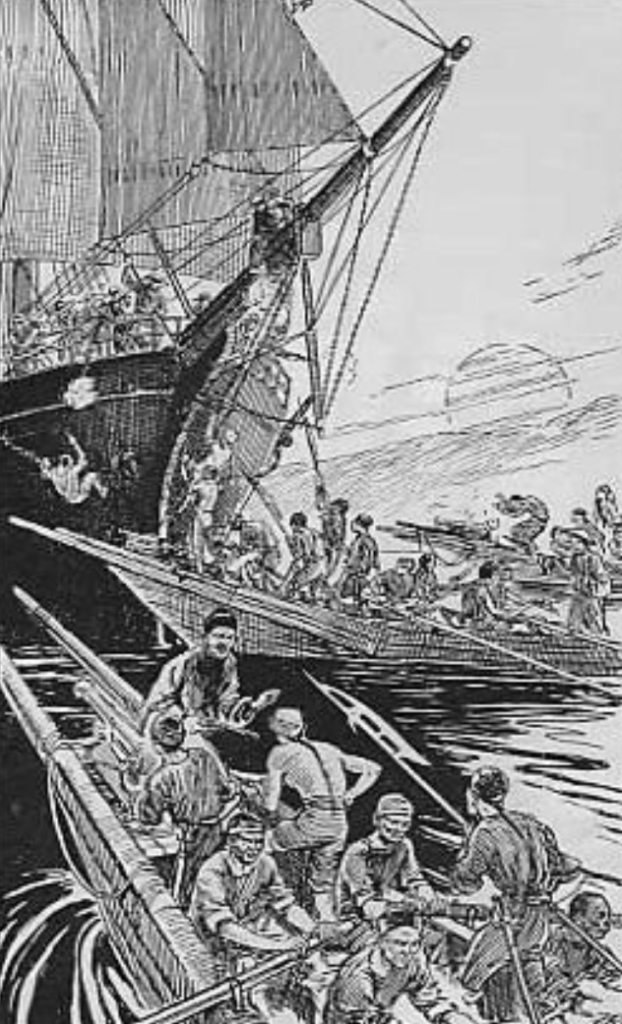
When Zheng Yi died suddenly in mysterious circumstance (it s most likely he died during a typhoon, falling overboard in an accident) near Vietnamese waters in late 1807, Zheng Yi Sao swiftly moved to consolidate power. With the support of her late husband’s adopted son (and her later partner) Cheung Po Tsai, and significant political skill, she assumed full control of the entire operation. While Cheung Po Tsai would be her second-in-command playing the critical role of achieving loyalty from the masses of pirates and being the leader of the Red Flag Fleet.
Zheng Yi Sao’s adherence to her husband’s formal charter and strict pirate rules, some of them new, were an important element of her future success as the pirate queen. Some of her rules:
* If anyone gave their own orders or went so far as to disobey their superiors, they would be decapitated.
* If a pirate were caught assaulting a woman, he would be killed. If it were determined to be consensual, both parties would both be killed. (new)
* 20% of any treasure captured would be kept by the captain, and the rest would be used to support the fleet and their future endeavours. Hoarding loot meant execution.
* Coastal peasants would not be attacked, and if she caught them being harmed, it meant death. (new)
The growth and expansion of pirate activity continued apace. New recruits flocked to the pirates’ banners, some out of desperation or coercion while others joined in pursuit of wealth, rank and glory. Zheng Yi Sao was instrumental in planning military-like campaigns, perfecting the profit-making schemes of the confederation and leading the leaders. For his part, Chang Pao Tsai proved himself a talented military leader, executing plans and leading massive fleets with skill, charisma and bravado. There was constant activity and smaller battles through the years 1807 – 1809 which the Red Flag Fleet were dominant.
By 1809, the pirate armada had exploded to at least 1,800 junks and 70,000 men, just four years after the confederation was formed. Ten times the size of the vaunted Spanish Armada! The flagship of the Red Flag Fleet mounted no less than 38 cannons on a single deck. Zheng Yi Sao led a Red Flag that controlled the coastline stretching an astounding 4,300 kilometres from Guangdong province to current-day Vietnam.
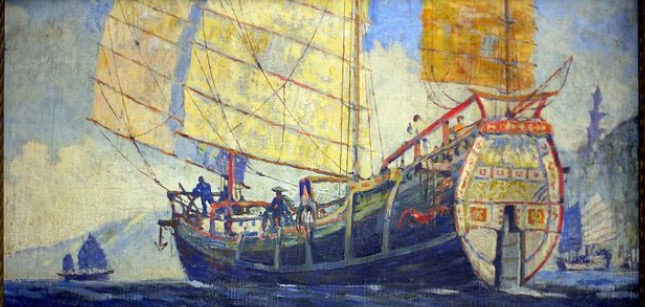
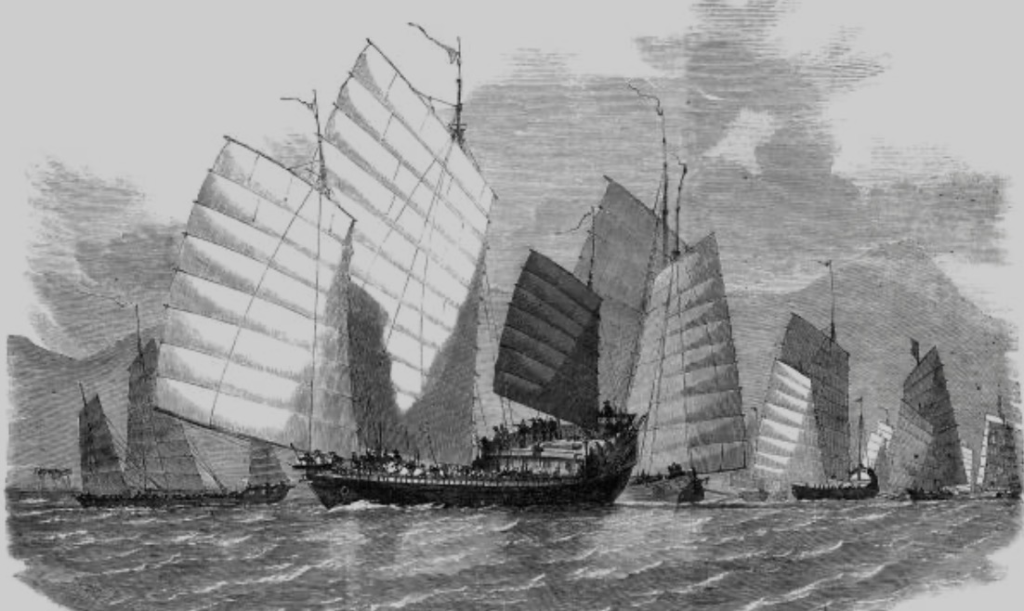
At this point, the scourge of piracy was so terrible that Chinese government officials could no longer ignore the crisis. The provincial government mustered what vessels they could and enacted a campaign to rid the seas of the pirate plague. Unfortunately, virtually every naval encounter ended in the pirates’ favour and the provincial fleet was rapidly depleted of sea-worthy vessels. The heaviest blow came when the government fleet guarding the entrance to the Pearl River Delta was destroyed.
With Canton now under direct threat, out of desperation Chinese officials turned to perhaps the only people who had the strength to defeat the pirates: the Europeans. Begrudgingly, they were to rely on the Portuguese at Macau for help. The Portuguese were only too happy to oblige as piracy was impacting their trade and profits.
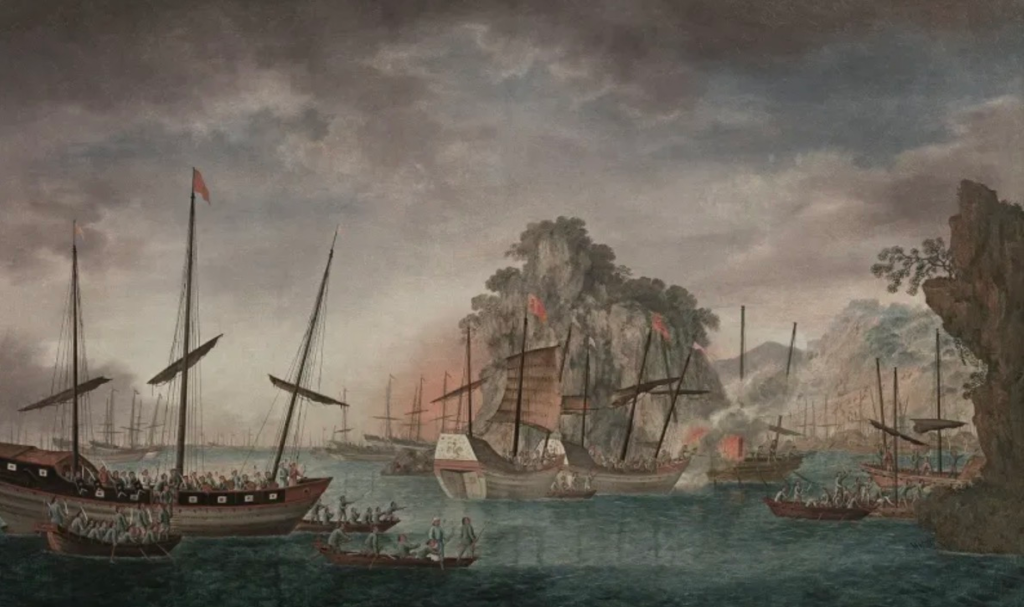
Thus, the Battle of the Tiger’s Mouth began in September 1809, when the Portuguese dispatched a two-ship squadron after Cheung Po Tsai’s Red Flag Fleet, which was terrorising the Inner Passage of the Pearl River. This wasn’t a decisive encounter but marked the beginning of the end of this era of pirate supremacy. The Battle of the Tiger’s Mouth was a series of naval engagements from September 1809 to January 1810 between the Portuguese flotilla based in Macau and the Red Flag Fleet of Chinese pirates under Chang Pao Tsai leadership.
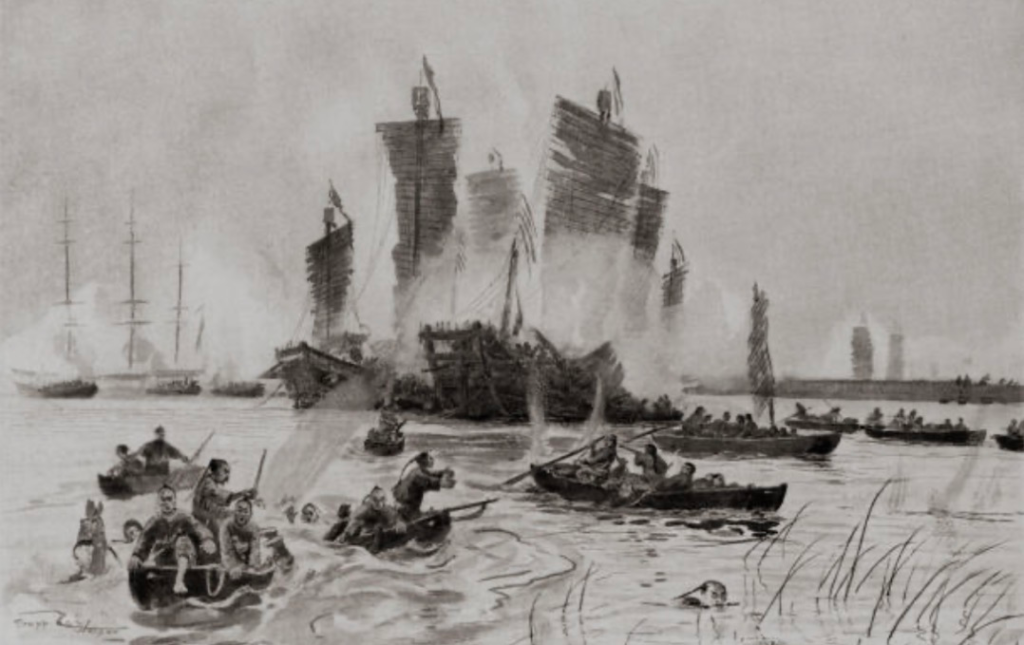
The Battle of Lantau, took place near Lantau Island in the Tiger’s Mouth estuary in late January 1810. It followed a number of smaller battles which had whittled away the strength of the Red Flag Fleet and was the decisive naval clash in which a coalition of Portuguese (operating from Macau), British, and Qing dynasty imperial junk forces defeated the massive Red Flag pirate fleet. The conflict took place in the waters around Lantau Island, primarily focusing on the Tung Chung Bay and Chek Lap Kok areas (the present-day site of Hong Kong International Airport). Despite the pirates’ vast numerical advantage, superior Western firepower, explosive shells, and tactical manoeuvring by the Portuguese commanders devastated the pirate ranks. The massive flagship, known as a “floating pagoda,” of the Red Flag Fleet was sunk, throwing the pirate fleet into disarray.
The Red Flag Fleet retreated into shallow waters along the Hiang San River in the Pearl River Delta, where a Portuguese blockade trapped them. This paved the way for the surrender of hostilities by Cheung Po Tsai, military leader of the Red Flag Fleet, in February 1810.
The second tactic employed by the Chinese authorities was to offer “pardon and pacification” to any pirate who turned away from piracy. They were so desperate that they were prepared to allow even fleet leaders, who had been excluded from previous offers of amnesty, to surrender. Notices were displayed in every port urging the pirates to “return to allegiance”. On several occasions, they even dispatched emissaries to appeal to them in person.
The first major pirate leader to accept the terms of surrender was Kuo P’o-tai, commander of the Black Flag Fleet. He had long pondered the uncertainty of a pirate fate and the increasing involvement of the Europeans had convinced him that the time was right to quit while he was ahead. In January 1810, the Black Flag Fleet surrendered to the Governor-General of Canton. In total, some 113 junks, 500 cannon and over 6,000 men, women and children surrendered to the authorities. Kuo P’o-tai was rewarded with a naval rank and thereafter joined the Chinese expeditions against his former comrades.
The first domino had fallen. Within three weeks, over 9,000 pirates had surrendered to the Guangshou authorities, including 300 from Zheng Yi Sao’s own Red Flag Fleet. Zheng Yi Sao and Chang Pao Tsai refused to follow suit and instead launched a major campaign into the Pearl River Delta, defeating a Sino-Portuguese fleet and entering the river with 200-300 junks. For weeks the Red Flag Fleet ravaged the river lands in defiance. This spurred Chinese and Portuguese determination and led the decisive battle with the Portuguese off Lantau Island in late January 1810.
With mounting pressure from combined Chinese and European naval forces and the success of the political tactic by Chinese authorities to offer amnesty, Zheng Yi Sao and Cheung Po Tsai began their own process of negotiation with authorities for a surrender and new life. Eventually, Zheng Yi Sao went unarmed and alone to meet with the governor-general of the Qing Dynasty and negotiated an extraordinary amnesty.
On 20 April 1810, Zheng Yi Sao, aged 35 years, and the Red Flag operation completely surrendered with 17,318 pirates aboard 226 junks, carrying 1,315 cannons. The golden age of Chinese piracy was over.
Cheung Po Tsai was given a senior rank in the Imperial Navy and allowed to retain a private fleet of 40 junks, plus was paid a large sum of money. The Red Flag fleet pirate crew all got positions in the military – the fleet leaders placed in high positions and remaining pirates serving as soldiers.
Retired from piracy, Zheng Yi Sao married Cheung Po Tsai and they had a child together, and she settled in Canton. In 1822, Cheung Po Tsai died at sea and following his death, Zheng Yi Sao relocated their family to Macau. There, already an exceptionally wealthy woman, she operated a highly successful gambling house and salt trade business, living peacefully until her death in 1844, aged 69 years.
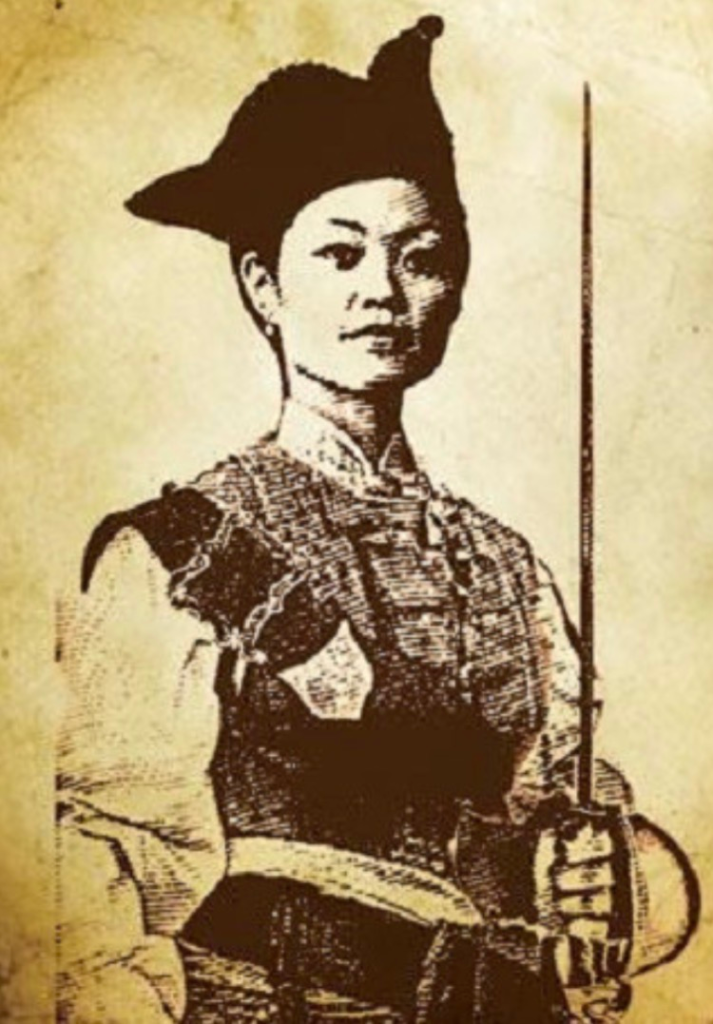

Zheng Yi Sao is remembered as one of the most successful pirates in world history building a naval empire, standing toe-to-toe with major powers, and exiting the world of piracy on her own terms.
19th–20th century piracy and the “Queen of Macao pirates”
Piracy remained active in the late 19th century, albeit on a much smaller and less organised scale. Notable events include the capture of the S.S. Namoa, a British coasting steamer operating out of Hong Kong, by approximately forty Chinese pirates disguised as passengers in December 1890. The hijackers killed the captain and chief officer, looted the ship of roughly $55,000 in cargo, and were later executed in a series of public beheadings on the beaches of Kowloon in 1891.
Lai Choi San, nicknamed the “Queen of Macao pirates”, operating through the 1910s – 1920s based from Macau. She had a reputation as a “Robin Hood”, protecting her own, despising the wealthy and dispensing justice in her own cruel way. She commanded 12 fleets through whole South and East China Seas, the Sulu Sea which is close to Palawan, near the Philippines, and of course, the waters around her base, Macao.
Increased, coordinated efforts by the Portuguese authorities in the early 20th century, including the 1910 suppression of pirates in Coloane Macau, helped effectively end piracy in the area.